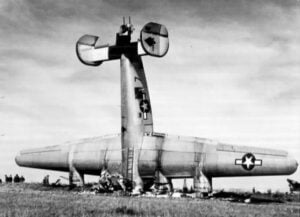
Three Major Design Flaws of the B-24 Liberator

YouTube / Vector 1945
The Consolidated B-24 Liberator was one of World War II’s most-produced American aircraft, built in staggering numbers to meet the demands of global conflict. Its long range, heavy payload, and high speed made it a formidable bomber, but these advantages came with trade-offs. The B-24’s design flaws earned it a reputation as a difficult and sometimes dangerous plane to fly.
1. Poor Maneuverability
The B-24’s shoulder-mounted high-aspect-ratio Davis wing gave it impressive speed and range but made it harder to handle. Many pilots struggled to maintain formation, and its sluggish roll and tight-turn performance left it vulnerable to German fighters. In comparison, the B-17 Flying Fortress was easier to control, making it the preferred aircraft for daylight bombing missions despite carrying a smaller bomb load.

2. Vulnerable to Combat Damage
While its wing design enabled long flights and heavy payloads, it also reduced the aircraft’s ability to absorb flak and enemy fire. Lower service ceilings and the placement of fuel tanks and engines increased the B-24’s susceptibility to damage. Early models lacked self-sealing fuel tanks, further heightening risk, and many were lost to anti-aircraft fire before escort fighters became standard.

3. Range Limitations Under Load
Despite being a long-range bomber on paper, the B-24’s enormous radial engines consumed fuel quickly. Its internal fuel capacity often limited missions to only 1.5 to 2 hours of flight without drop tanks. While later models could carry wing-mounted tanks, these affected handling and reduced maneuverability, creating a compromise between endurance and safety.