B-52 vs B-58: Which Bomber Was Better?
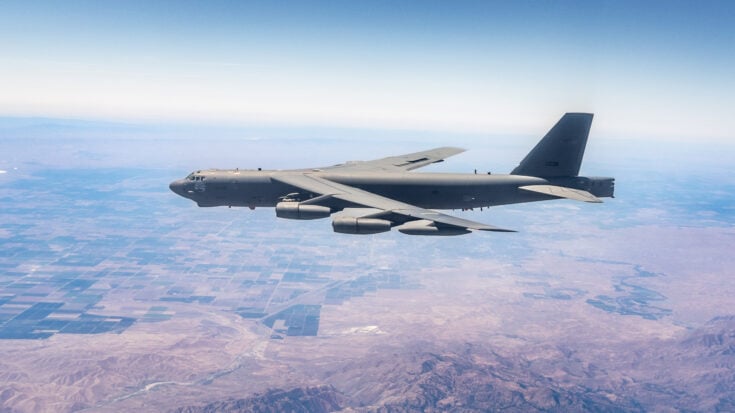
During the early Cold War, the United States faced the challenge of delivering nuclear payloads quickly and safely over Soviet territory. Two bombers emerged as radically different solutions: the massive subsonic B-52 Stratofortress and the sleek supersonic B-58 Hustler. Each represented a distinct strategy for nuclear deterrence and air dominance.
The B-52 Stratofortress: Heavyweight Endurance
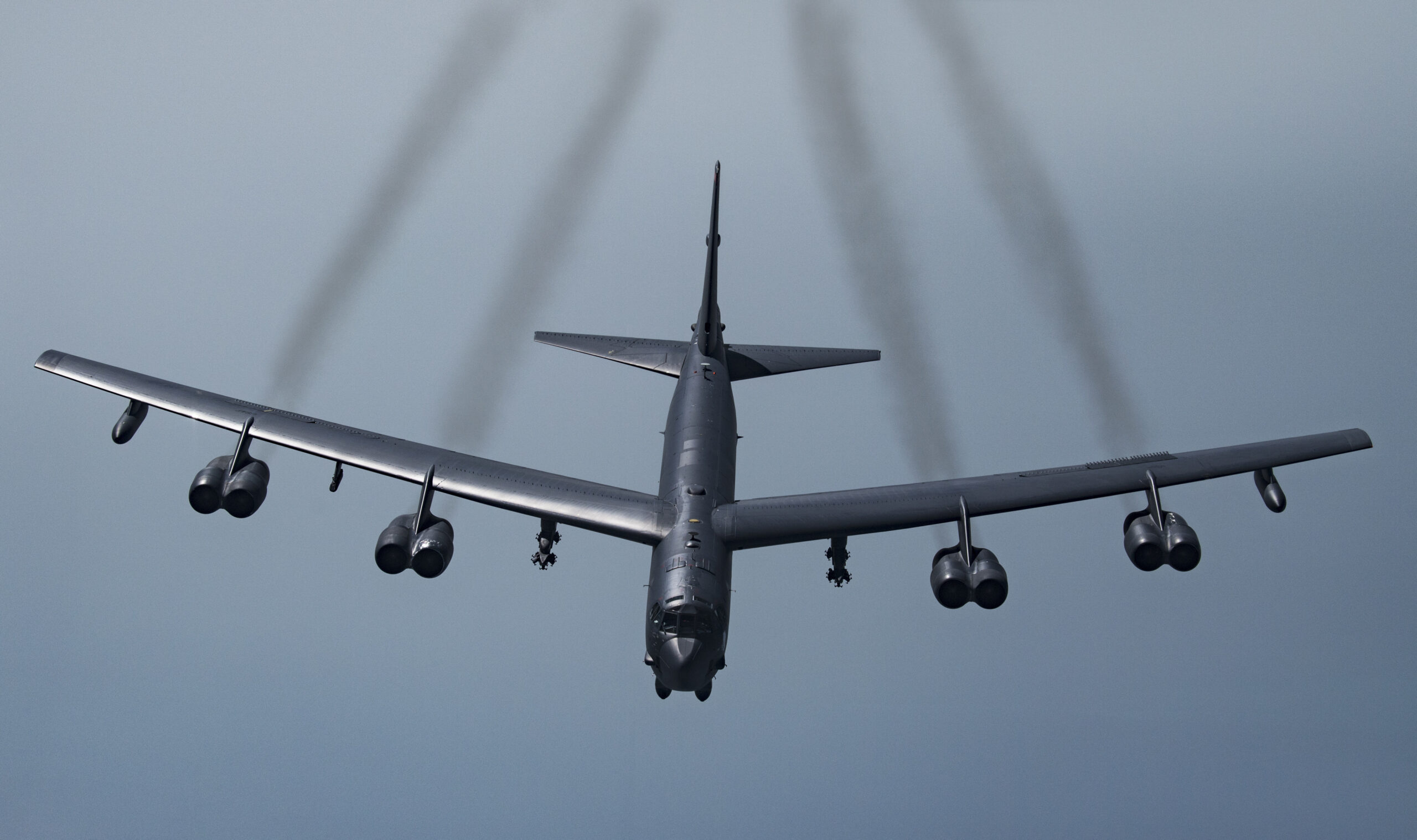
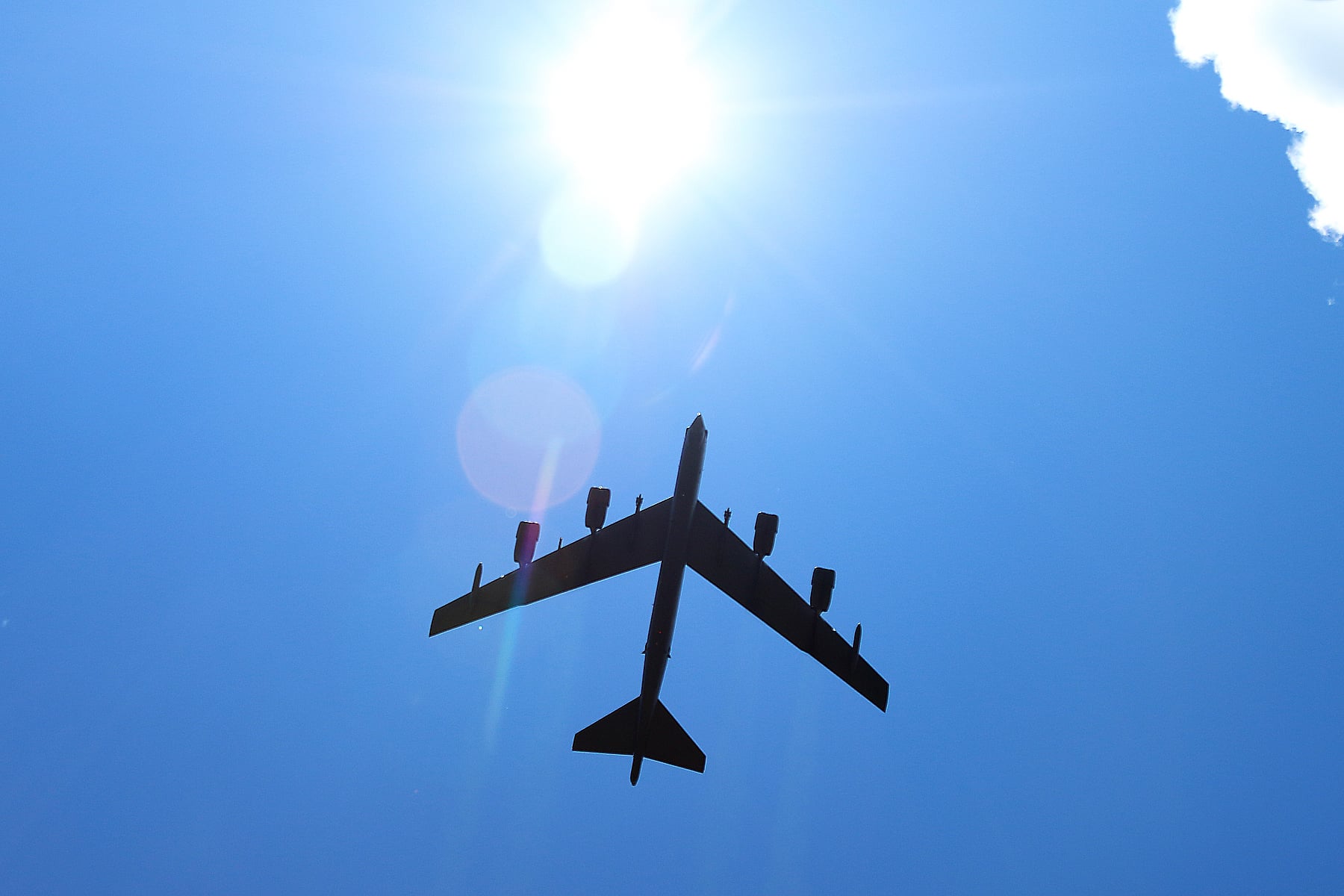
The B-52, with eight engines and a crew of five, prioritized payload and range. It could carry up to 32,000 kilograms of bombs and remain airborne for continuous Operation Chrome Dome patrols near Soviet borders. Its large wingspan and subsonic speed made it easier to fly but more vulnerable to radar detection and enemy defenses. Despite this, the B-52 became a reliable cornerstone of Strategic Air Command, continuing service through Vietnam, Iraq, and Afghanistan.
The B-58 Hustler: Speed Over Size

The B-58 was a technological marvel: a Mach 2 delta-wing supersonic bomber with a three-man crew and pencil-thin fuselage. It carried nuclear weapons and extra fuel externally, allowing high-speed penetration of enemy airspace. Advanced avionics, including star trackers and downward-firing Doppler radar, made it a formidable precision platform. Its lightweight aluminum honeycomb structure enabled record-breaking flights, including a supersonic Tokyo-to-London journey in 1963 and altitude records with heavy payloads.
Challenges and Limitations
Despite its speed and sophistication, the B-58 faced operational challenges. Ejection in emergencies was risky, landing gear failures were dangerous with live payloads, and the aircraft was expensive to maintain. Political and strategic decisions, including reliance on ICBMs, ultimately led to its retirement in 1970. Meanwhile, the B-52’s slower but durable design ensured its longevity, cementing its role as the Air Force’s primary strategic bomber.
Legacy

The B-58 demonstrated the potential of supersonic strategic bombers and pushed the limits of Cold War aviation. The B-52’s endurance and flexibility proved essential in multiple conflicts. Together, they illustrate the trade-offs between speed, payload, and operational practicality in strategic bombing strategy.