Why the B-52 Is Outliving Newer Bombers
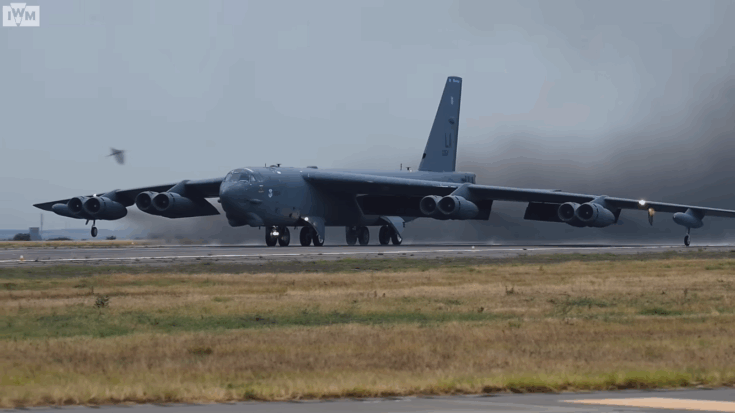
YouTube / Imperial War Museums
The Boeing B-52 Stratofortress first entered service in 1955 as part of America’s Cold War nuclear deterrent. Designed to carry nuclear weapons across intercontinental distances, it reflected lessons learned from earlier bombers like the B-17 and B-29. From the beginning, the B-52 was built large, strong, and with long-range endurance in mind. These design choices would later prove critical to its extraordinary lifespan.
Over-Engineered for Adaptability
One of the main reasons the B-52 has outlived newer bombers is that it was heavily over-engineered by modern standards. Its large airframe and robust structure gave engineers wide margins to add new systems over time.

As technology advanced, outdated avionics, radar, and weapons systems could be replaced without threatening the basic integrity of the aircraft. This allowed the B-52 to evolve while many newer, more specialized designs became obsolete.
Proven in Multiple Wars
The B-52’s combat record reinforced its value. During Operation Chrome Dome, nuclear-armed B-52s flew continuous airborne alert missions to ensure a survivable deterrent. In Vietnam, the aircraft shifted to heavy conventional bombing, delivering massive payloads during campaigns such as Operation Linebacker II.

Later, in the Gulf War, B-52s dropped a significant portion of coalition strike tonnage while maintaining high mission readiness.
A Platform That Keeps Changing
Unlike bombers built for narrow roles, the B-52 has been adapted for a wide range of missions. It has carried cruise missiles, served as a test and launch platform, and supported modern precision strike operations in conflicts from Afghanistan to Syria.

This flexibility has kept it relevant as strategic needs changed.