Army Names Its New MV-75 Tiltrotor ‘Cheyenne II’
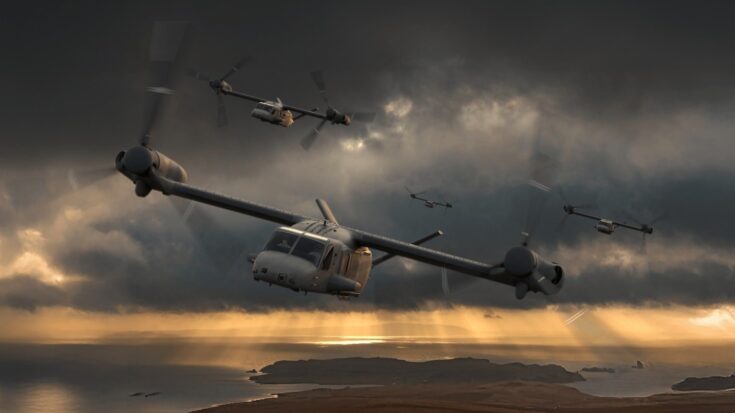
The U.S. Army has given its next-generation assault aircraft a name tied to both history and intent. The MV-75, developed under the Future Long Range Assault Aircraft program, is now officially known as the Cheyenne II. The name reflects a long-standing tradition of honoring Native American tribes, while also pointing to the aircraft’s defining traits: speed, mobility, and adaptability.
Bell is excited to introduce the MV-75 Cheyenne II, the @USArmy’s official name for the FLRAA weapon system.
Consistent with the Army tradition of naming aircraft after Native American tribes, The MV-75 is named after the Cheyenne Tribes: two federally recognized nations with… pic.twitter.com/j7KR6Fbe7J
— Bell (@BellFlight) April 15, 2026
A Name Rooted in Mobility and Strength
The Cheyenne name draws from tribes that lived across the Great Plains for centuries, where survival depended on movement, coordination, and resilience. Army officials emphasized that these qualities align closely with what the MV-75 is designed to deliver on the battlefield. After evaluating hundreds of naming options, the service selected Cheyenne II to represent both heritage and operational identity.
The name also connects to the AH-56 Cheyenne of the 1960s, an advanced but ultimately canceled attack helicopter. That aircraft introduced ideas about speed and performance that were ahead of its time. The new Cheyenne II carries forward that focus, though in a very different role and with far more mature technology.
Forged in resilience. Defined by courage. The Cheyenne heritage represents the speed, strength, and endurance the MV-75 will bring to future fight ahead. We honor their legacy with the next evolution of air maneuver.
Meet the Cheyenne II: https://t.co/yrnEqSy0h2#MV75 #FLRAA… pic.twitter.com/d9gAiNiYAE
— Bell (@BellFlight) April 15, 2026
Tiltrotor Design Changes the Battlefield
Built on Bell’s V-280 Valor design, the MV-75 combines vertical lift with airplane-like speed and range. This allows it to travel roughly twice as fast and twice as far as current helicopters such as the UH-60 Black Hawk. The result is a platform that can insert troops, conduct medical evacuation, and support long-range operations without relying on forward staging areas.
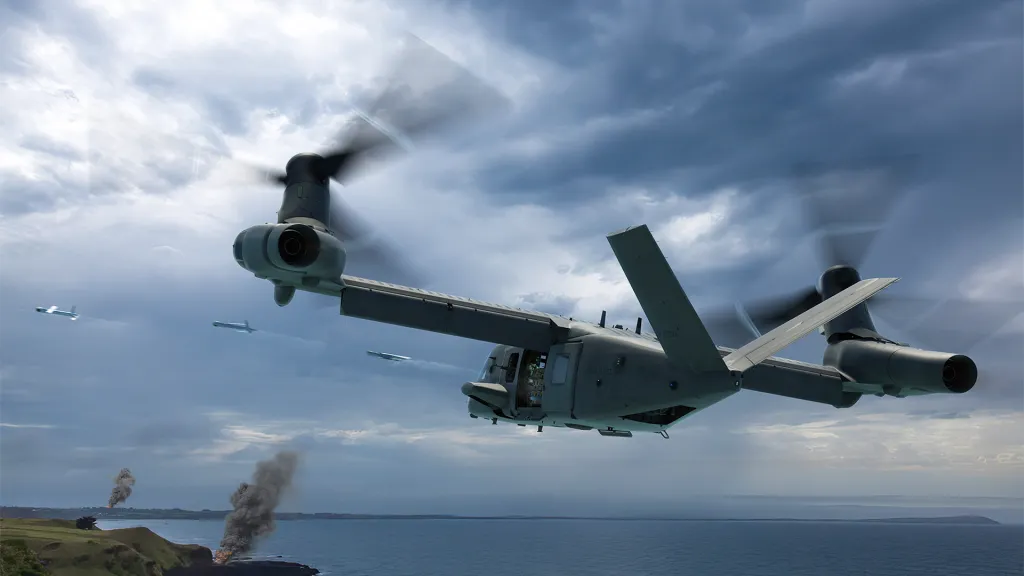
This shift affects how commanders plan missions. Units can launch from safer distances, move deeper into contested areas, and respond faster across large regions. The aircraft is also designed to self-deploy over long distances, reducing the need for transport aircraft and simplifying logistics in a crisis.
Built for Adaptation and Future Combat
The MV-75 is designed with a modular, open-systems architecture supported by a digital backbone. This allows new systems, sensors, and weapons to be integrated over time without major redesigns. Fly-by-wire controls and increasing levels of autonomy are also built into the platform, reflecting the Army’s focus on adaptability in future conflicts.
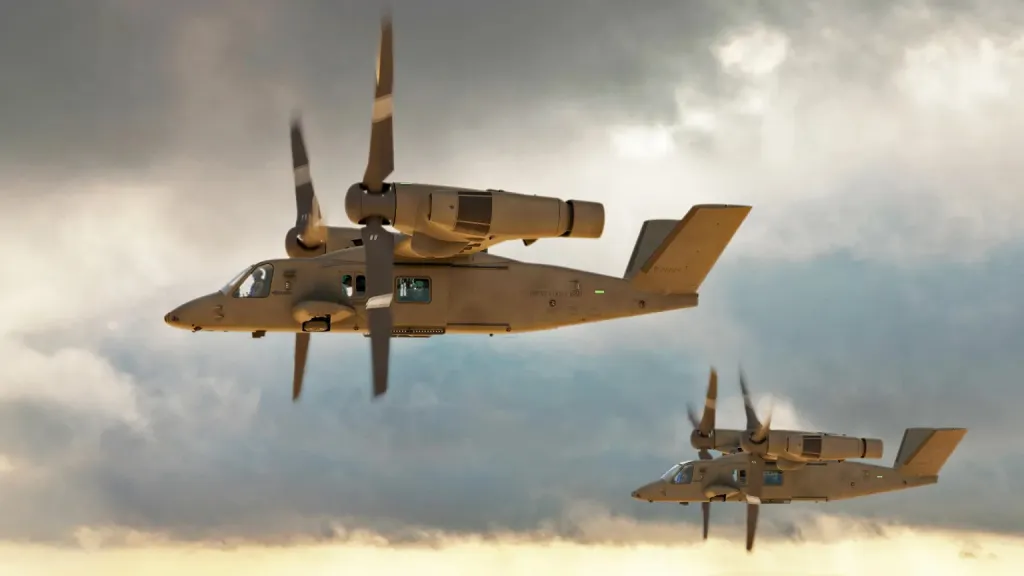
Development is moving quickly. Prototype deliveries are expected soon, with testing to follow and initial fielding planned for the early 2030s. The 101st Airborne Division is set to be the first unit equipped, with special operations requirements already included in the design.