When a German Fighter Refused to Pull the Trigger
YouTube / ValorArtStudios
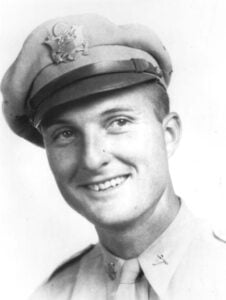
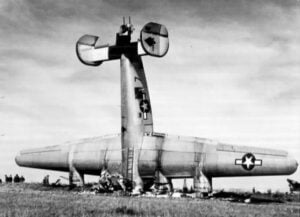
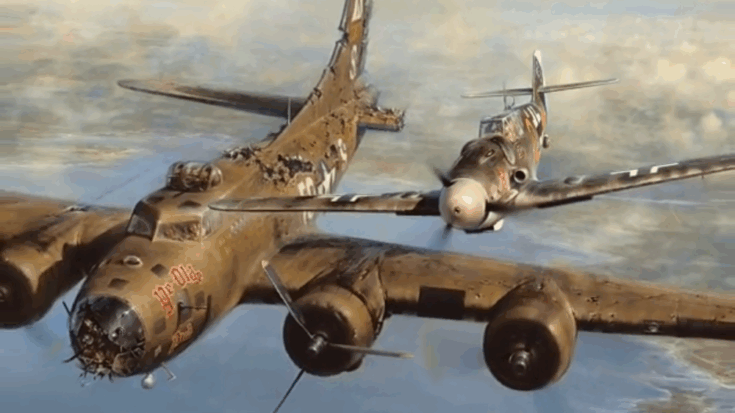
On December 20, 1943, just days before Christmas, an American B-17 Flying Fortress struggled home from a mission over Germany. The bomber was barely airborne. Large sections of the tail were missing, guns hung uselessly, and the crew inside were clearly wounded. Anyone who saw the aircraft could tell it was finished. Over occupied Europe in late 1943, this was usually the moment when fighters closed in to deliver the final blow.

A lone German Bf 109 pilot spotted the crippled bomber from miles away and moved in to intercept.
A Crippled Bomber Over Europe
As the fighter closed the distance, the damage became impossible to ignore. Half the tail was gone, and there was no defensive fire at all. Flying alongside the right wing, the German pilot could see straight into the cockpit. The American pilot and co pilot stared back, fully expecting to be shot down.

Instead, nothing happened.
The German pilot later explained that firing would have felt like shooting men in parachutes. The bomber had no ability to defend itself. He also knew the risk he was taking. If another Luftwaffe aircraft or a ground observer reported what he was doing, escorting an enemy bomber could have brought severe punishment.
A Silent Escort
Rather than opening fire, the fighter stayed with the B-17, subtly guiding it away from German airspace and toward the open water. Once clear, the German pilot gave a brief salute and turned away. The bomber crew headed for England, flying barely a few hundred feet above the sea. Against all odds, they made it back.

Reunion After Four Decades
For years, the German pilot remained unknown. Eventually, the two men connected through letters and long phone calls. When they finally met in person decades later, the moment was overwhelming. Both spoke of a shared love of aviation and an unspoken bond formed on that December day near Christmas.

The American pilot understood the full weight of the decision. The German fighter had risked his life not only from enemy fire, but from his own command.
A Rare Moment of Mercy
In a war defined by destruction, the encounter stood apart. One pilot chose restraint over victory, guided by personal conviction rather than orders. Because of that choice, a bomber crew lived to see another Christmas, and two former enemies carried the memory for the rest of their lives.