What Was The Most Dangerous Combat Role In WW2?
YouTube / Second World War History Channel
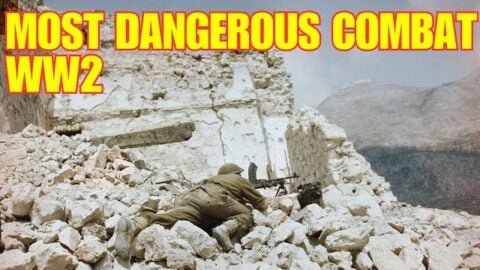
When people think about the dangers of World War II, dramatic images often come to mind: dogfights in the sky, tanks clashing across open fields, and amphibious assaults on heavily defended beaches. But which role was truly the most dangerous? While every branch faced deadly risks, casualty rates reveal a surprising ranking based on proportional losses.
4. Infantry
Infantry soldiers formed the backbone of every army, and they endured some of the harshest conditions of the war. Constant exposure to enemy fire, artillery bombardments, snipers, and brutal weather made their role incredibly dangerous. They fought at close range, often advancing on foot against fortified positions.
Despite these risks, infantry units had slightly lower proportional casualty rates compared to some other roles. This is partly because of their larger numbers and the ability to rotate units in and out of frontline combat. Still, in absolute numbers, infantry suffered the highest total casualties of any branch during the war.
3. Air Force
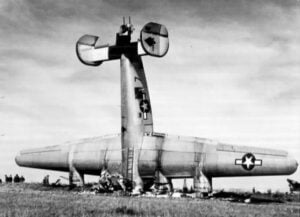
Airmen, particularly bomber crews, faced extreme danger every time they took to the skies. Flying missions over heavily defended enemy territory exposed them to anti-aircraft fire and enemy fighters. Survival rates for bomber crews were often shockingly low, especially early in the war.
For example, crews in strategic bombing campaigns sometimes had only a slim chance of completing a full tour of missions without being shot down. High altitude conditions, mechanical failures, and the risk of being captured or killed made this one of the most perilous roles. Despite this, advancements in technology and tactics gradually improved survival rates over time.
2. Marine
Marine forces were often tasked with some of the most difficult and deadly missions, particularly in the Pacific Theater. Amphibious assaults required them to land on heavily defended beaches under intense enemy fire, with little cover and limited room to maneuver.
Battles on islands such as Iwo Jima and Okinawa demonstrated just how deadly these operations could be. Marines faced not only enemy fire but also harsh terrain, extreme heat, and determined resistance from well-entrenched defenders. Their casualty rates were among the highest of any ground combat force, reflecting the brutal nature of their assignments.
1. Tank Crews
Surprisingly, tank crews often experienced the highest proportional casualty rates of any combat role in World War II. While tanks offered protection compared to infantry, they also presented a deadly vulnerability. Once a tank was hit, especially by armor-piercing rounds, it could quickly turn into a burning trap.
Crew members had little time to escape from a disabled or destroyed tank. Ammunition explosions, fuel fires, and limited escape hatches made survival unlikely in many cases. In addition, tanks were prime targets on the battlefield, drawing intense enemy fire from anti-tank weapons, artillery, and aircraft.
Tank crews also operated in confined spaces under immense psychological pressure, knowing that a single hit could be fatal. This combination of high exposure, targeted attacks, and low survival chances gave them one of the highest casualty rates proportionally.
Conclusion
While every role in World War II carried significant danger, the risk varied depending on exposure, mission type, and survivability. Infantry endured constant frontline combat, airmen braved deadly skies, and marines faced brutal amphibious assaults. Yet, it was tank crews who often faced the highest proportional risk of death.