

The Engineer Whose “Impossible” Propeller Made U.S. Fighters 100 MPH Faster
Together We Rise / Facebook
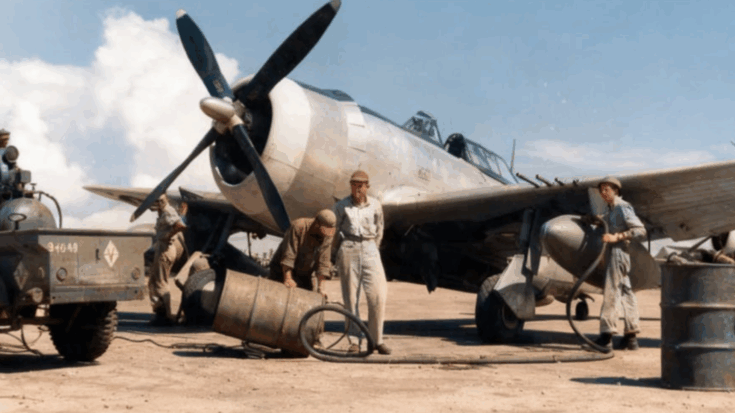
This is the story of an engineer whose idea changed the speed of American aircraft in the air war of the 1940s. His work came before the United States entered the conflict, and it showed how one design solved a problem many thought could not be solved. The change did not come from a new engine, but from three metal blades turning in front of the pilot.
Early Tests and Doubt
In the summer of 1940, two Spitfire fighters sat on the airfield at Hornchurch in Essex. They looked the same to anyone passing by. They had the same Merlin engine, the same gun layout, and the same pilot strapped into the cockpit. Squadron Leader Desmond Cook tested the first aircraft. He needed a long run before lifting off, and reaching 20,000 feet took more than eleven minutes. The service ceiling was about 32,000 feet.
Cook then flew the second aircraft. It had the same frame and the same power, but a different propeller. This time, the aircraft rose faster, reached 20,000 feet in less than eight minutes, and climbed to 39,000 feet. The change showed that a propeller that could change blade angle during flight offered a major gain without changing the engine. This was the result of the work of Frank Walker Caldwell.
The Start of the Idea
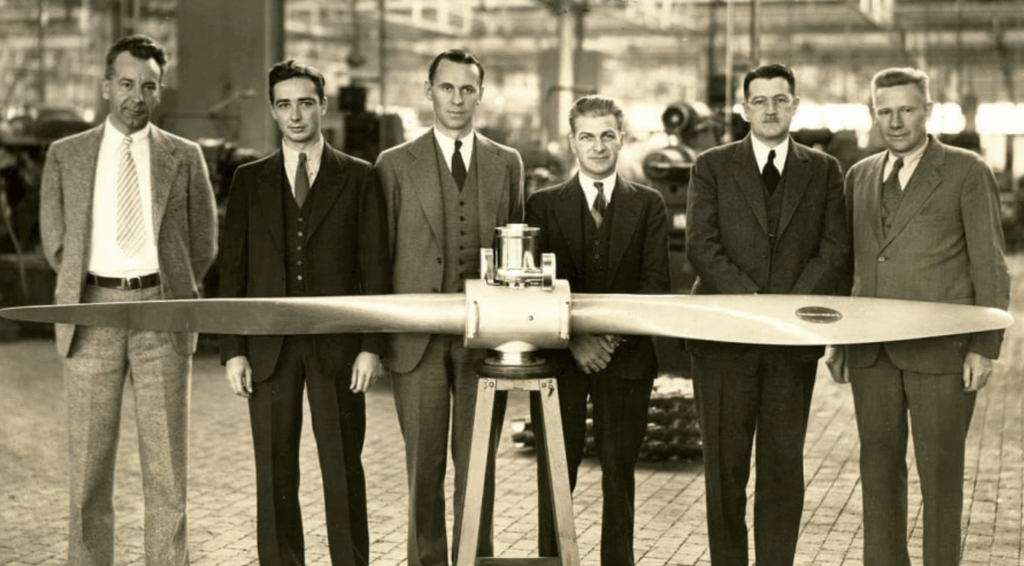
Caldwell worked at Hamilton Standard Propeller Corporation in East Hartford, Connecticut. He was a trained mechanical engineer who believed that the strength of an idea rested on numbers. In 1932 he stood in a test facility watching a new propeller turn at high speed. It had three blades that could shift angle while spinning, powered by a hydraulic system that controlled pitch.
Three days earlier, a call had come from Boeing Field in Seattle about the Model 247 airliner. It was meant to be the fastest passenger plane in the country, designed to carry people across long distances. Yet the aircraft had a serious problem. When flying from Denver, the plane could not climb over the Rocky Mountains. Its wooden propellers were fixed at one angle, which failed in some conditions.
Industry Pressure and Change
Airlines were demanding a solution. A major airline had many aircraft on order, but plans would collapse if the plane could not clear mountain ranges. Other companies were also looking at competing designs. Caldwell had heard critics say that a variable pitch propeller was too heavy and too complex for reliable work. Many people believed a design with moving parts in a harsh flight environment would break down.
Even official reports stated that his design was not sound. Some pilots also doubted it. Still, Caldwell and his team proved that the design worked through testing. The hydraulic system changed blade angle without extra force on the pilot, and it helped the aircraft use the engine at every stage of flight. This made aircraft faster during climb, cruise, and combat.
Impact in War
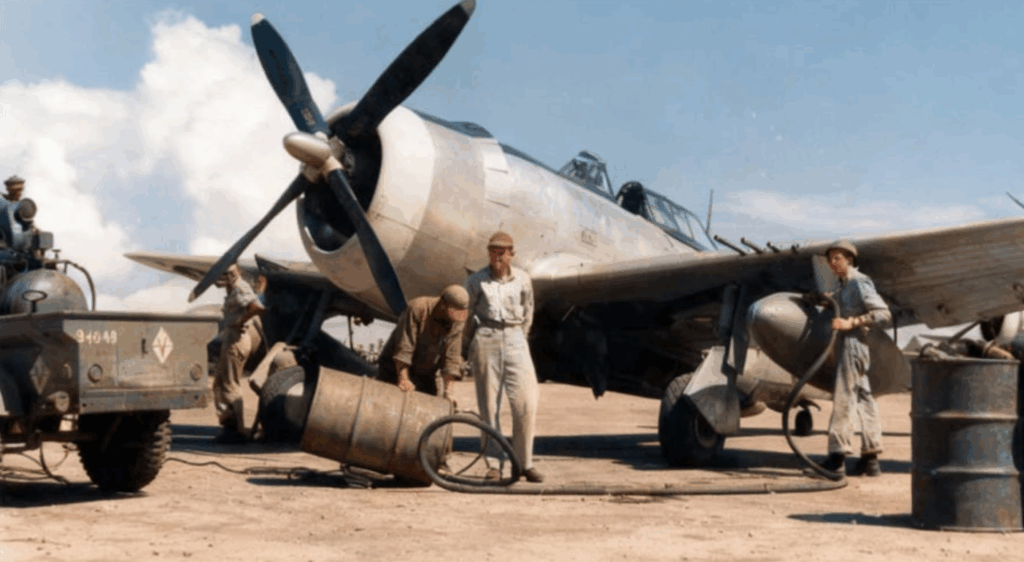
Once production started, American bombers and fighters used the design. It allowed engines already in service to perform better. During the air war, this meant aircraft could climb faster and fly at higher speed without a new engine model. In the air battles over Europe and the Pacific, aircraft used this design to move with greater efficiency. The design also helped reduce fuel waste, since the blades could hold the best angle in many flight states. Engineers later improved the system for cold weather and long missions, and it became a standard feature in modern propeller aircraft. It influenced later work.






