Decades After Being Declared ‘Not Recoverable,’ WWII P-40 Warhawk Pilot’s Remains Headed Home
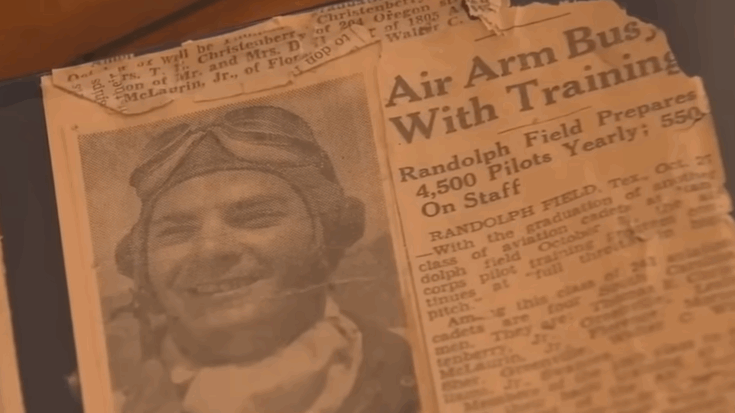
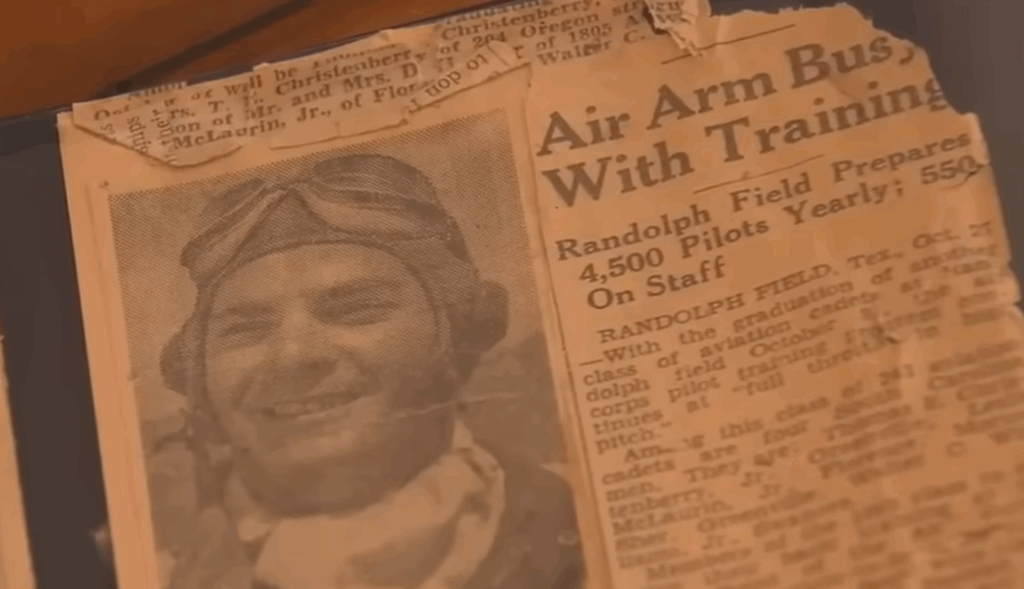
FOX Carolina News / YouTube
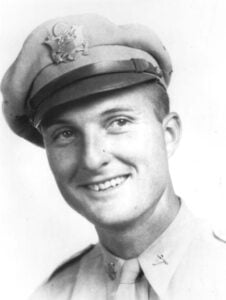
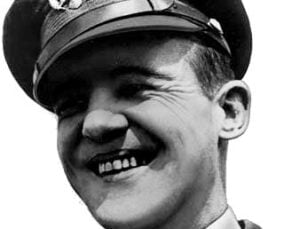
For more than eighty years, the fate of 1st Lt. Morton Sher — a young fighter pilot of the 76th Fighter Squadron, part of the 23rd Fighter Group under the 14th Air Force — remained a mystery. On August 20, 1943, his plane crashed during combat in central China, and his remains were long considered lost. Recently, however, a dedicated effort by researchers and a breakthrough identification have brought closure: Sher’s remains have been identified and are now bound for burial in his hometown.
The return of his remains highlights both the dangers pilots faced in the China-Burma-India theater and the long, painstaking work to honor those lost in the conflict. Even decades later, this case shows that some stories of World War II are not closed until every person is laid to rest.
The Mission and the Crash
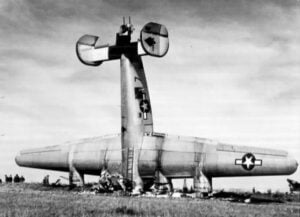
On August 20, 1943, 1st Lt. Morton Sher was flying a P-40 Warhawk on a mission to intercept an enemy aircraft headed toward Hengyang, China — a key base for the 76th Fighter Squadron. During the mission, reports indicate he was engaged by one Japanese aircraft, then surprised by a second enemy fighter. The confrontation ended in a crash in Hengshan County, Hunan Province.
At the time, the crash site was located by U.S. forces, but Sher’s remains were not recoverable. Over the next decades, the case remained unresolved. The war moved on — and so did the world — but his name was never forgotten by his surviving family and fellow airmen. The Warhawk that bore him into combat would carry his loss across generations.
A Long Search and Modern Identification
In 2012, a private citizen provided a photograph of a small memorial in Xin Bai Village, near Hengyang, that mentioned Sher’s name. That image triggered renewed interest by the Defense POW/MIA Accounting Agency (DPAA), which reopened research into the 1943 crash.
In August 2024, a DPAA excavation of the crash area uncovered remains and associated life-support items. Forensic analysis completed in April 2025 confirmed the identity of Sher. On November 17, 2025, the agency officially announced that 1st Lt. Sher had been accounted for.
For Sher’s family, the news closed a long chapter of uncertainty. After more than eight decades, their relative would return home — a solemn reminder that even the longest-forgotten losses can one day be resolved.
What Sher’s Story Reflects of the CBI Air War
Sher flew the P-40 Warhawk as part of the 23rd Fighter Group, a unit that carried heavy responsibilities in China and Burma. The Warhawk, though not the fastest or most advanced fighter, proved valuable in that theater. Units like Sher’s engaged enemy aircraft, escorted bombers, and defended airfields against Japanese attacks.
Because many missions happened over rugged terrain, remote airfields, or enemy-held territory, the risk of being lost without recovery was high. Sher’s crash — despite a known crash location — illustrates how difficult it could be to recover downed airmen during and after the war. Many remained missing.
His identification decades later speaks to modern efforts to bring closure not just to families, but to history itself. It shows that war is not only fought in battles and dogfights, but also in memory, records, and the careful work of those who refuse to let names fade away.
Honoring a Life and Service
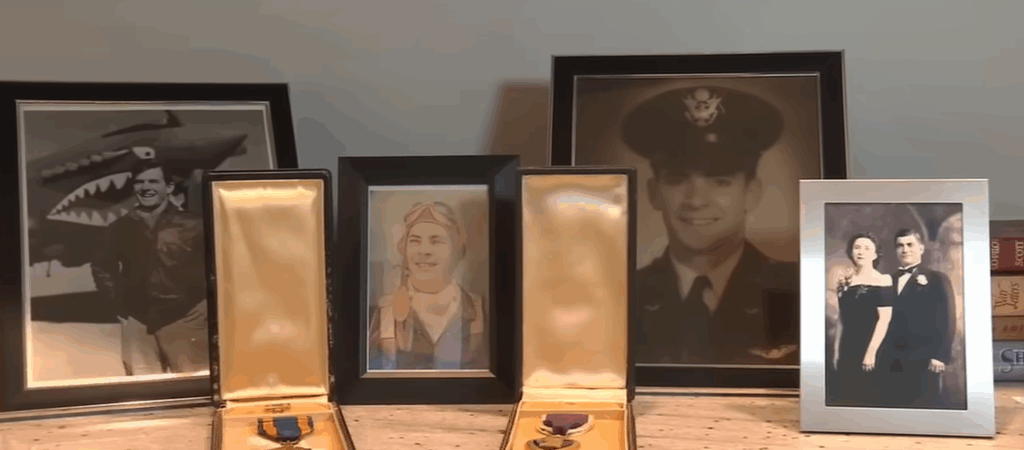
Sher carried two medals: the Air Medal — awarded for combat sorties or aerial achievement — and the Purple Heart Medal, given to those wounded or killed in action.
On December 14, 2025, 82 years after his plane went down, Sher will be buried at Beth Israel Cemetery in Greenville, South Carolina, with full military honors. The return of his remains allows his family and his country to recognize the sacrifice of a young pilot who never came home.