

Why the Luftwaffe’s Slowest Plane ‘Fi 156 Storch’ Became One of Its Most Effective
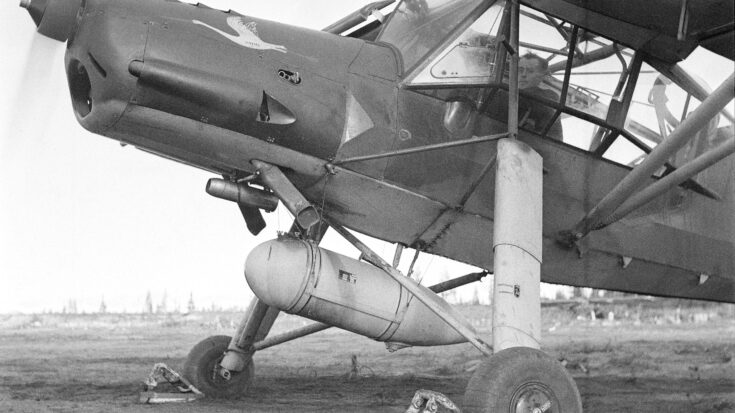
Sot.virk. H.Roivainen, Public domain, via Wikimedia Commons
The Fi 156 Storch was one of the slowest aircraft in World War II, yet it became one of the most useful tools in the German air service. It was used to move officers across contested areas, spot targets, and reach places no other aircraft could land. Its strange look made it easy to recognize, with long landing gear legs that gave the aircraft its name, meaning “stork.” It was not built for speed or heavy weapons. Instead, it showed how a simple idea can work well in difficult conditions.
More than 2,900 were made for Germany, with production starting in 1937, two years before the war. The aircraft continued to be built after the conflict, especially in France. The design fit many roles, from medical transport to frontline communications. It had no glamour, and it could not fight like larger planes, but it could go where others failed.
Origins and Design
The company behind the Storch was led by Gerhard Fieseler, a German pilot from the First World War. He was known for flying skills and later became a stunt pilot, earning money through air shows. He bought a small aircraft factory in 1930, turning it toward sports planes and later military designs. When the aviation ministry called for a new liaison aircraft in 1935, his team joined the competition with a design focused on slow flight, short landing distance, and easy maintenance. Two other designs competed, but the Storch won because its performance matched the needs of the service.
The best feature of the Storch was its ability to take off in about 60 meters of ground and land in less than 20. Its wings were long for its size, and they included fixed slats along the entire leading edge. Nearly the full trailing edge held movable surfaces that acted as flaps and ailerons, giving the aircraft strong lift even at very low speed. In strong wind, it could hover over the ground or seem to move backward when facing the wind.
Engineering for Field Use
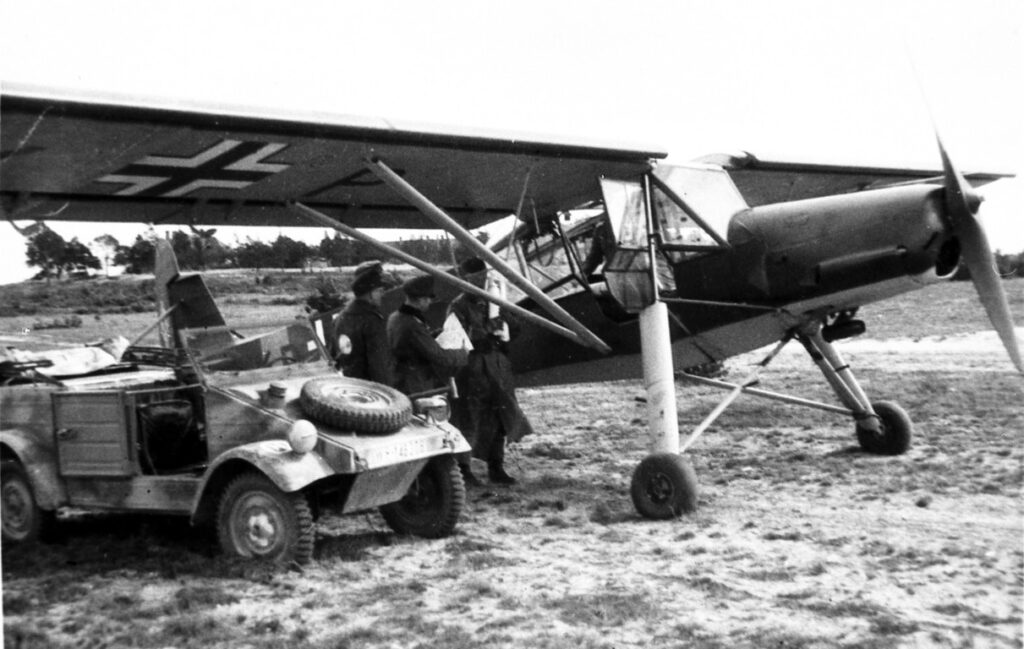
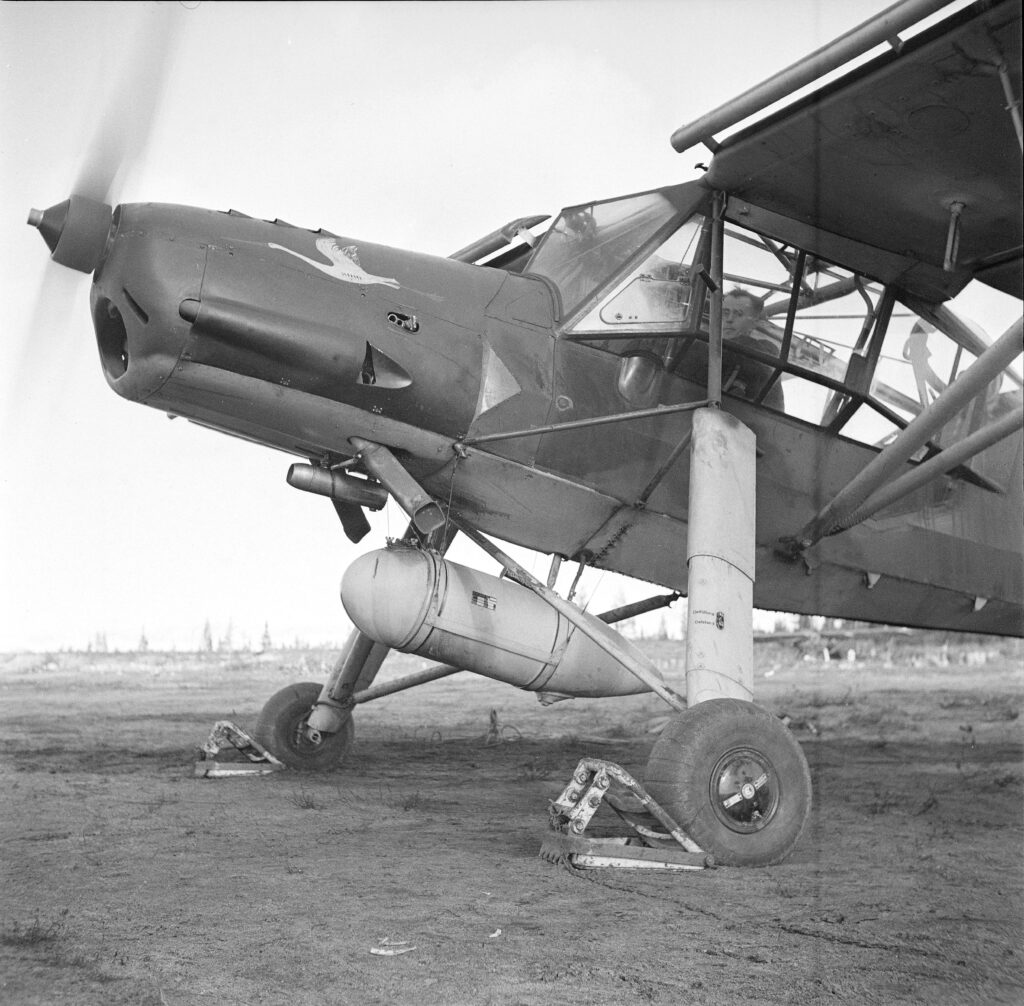
The wings could fold back along the body for easy storage or towing. This meant the aircraft could be loaded onto trucks or moved through rough terrain. The landing gear used oil and spring shock absorbers with long travel, so the plane could land on fields, sand, or rocky ground. The cockpit had wide glass panels, making it useful for spotting units on the ground. It carried three men, with space for a light defensive gun. The body used steel tubes, wood, fabric, and glass, making it light but open to damage from enemy fire. Its top speed was about 175 kilometers per hour, with a ceiling of around 15,000 feet.
The Storch was never meant for direct combat. It survived because its role avoided the heaviest fighting. Crews learned to fly low, land quickly, deliver orders or wounded soldiers, and leave before enemy fighters arrived. It was practical in many areas, including deserts and snow fields. Its slow flight made it stable during rough wind on mountains or coastal areas.
Service in the War
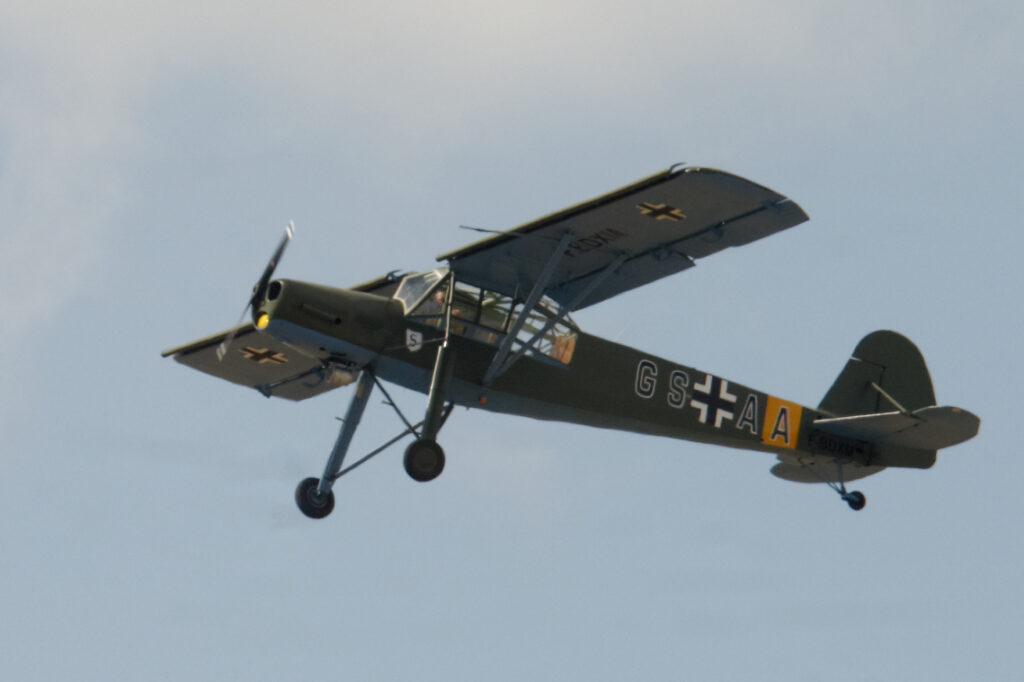
The Storch became well known for several unusual missions. High-ranking German officers used it for field travel, including Erwin Rommel. Allied forces also used captured aircraft, such as one that carried Winston Churchill during a visit to France in 1944. It was also used in a rescue of Benito Mussolini in 1943. In the final year of the conflict, a Storch flew into Berlin with a German commander during the siege.
The aircraft served long after the war through French production and air shows, where pilots showed its ability to land almost without moving forward. Its simple shape became a reminder that speed is not the only value in aviation.

.jpg)

