Australia entered World War II with limited industrial capacity and few modern fighters. After Japanese forces expanded across the Pacific, the country faced an urgent need for aircraft that could be built quickly and maintained locally.
This pressure led the Commonwealth Aircraft Corporation to create two homegrown designs that became symbols of Australia’s wartime resilience. These aircraft were simple by global standards, but they filled critical gaps when the nation’s air defenses were stretched thin.
The Wirraway and Its Role
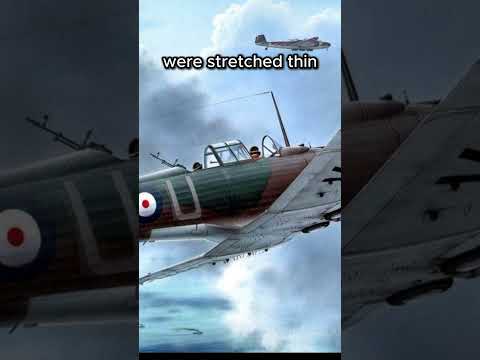
The CAC Wirraway began as a training and utility aircraft. It was not designed to face frontline fighters, yet it entered combat during the difficult early years of the war. In New Guinea, Wirraway crews carried out reconnaissance, patrols, and ground support while operating from rough airstrips in dense jungle terrain.
YouTube / IsonzoEnjoyer
Its performance in air to air combat was limited. The only recorded aerial victory involved an aircraft first believed to be a Japanese Zero but later identified as a Ki 43 Hayabusa. This outcome reflected the challenges the Wirraway faced as a makeshift fighter in a fast-moving conflict.
Creating a Purpose Built Fighter
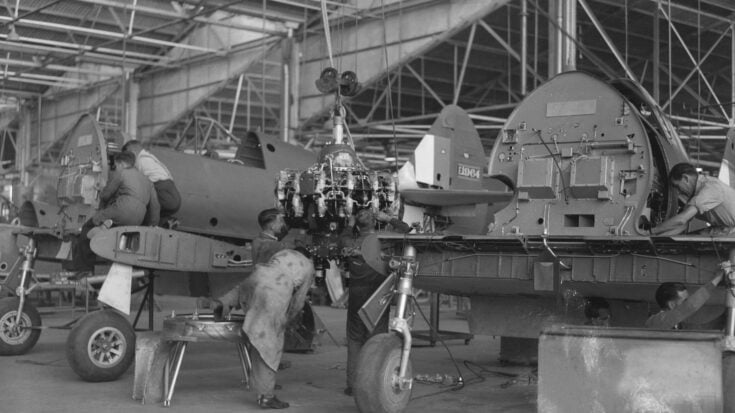
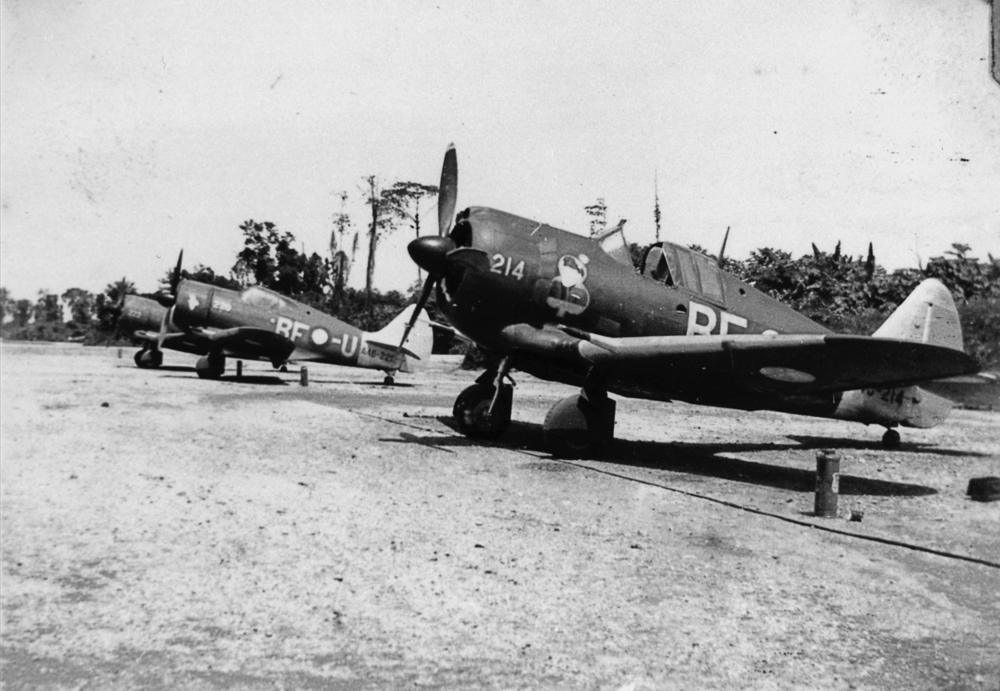
Australia recognized the need for a dedicated fighter and moved quickly to develop one using available parts and manufacturing tools. The result was the CAC Boomerang, first produced in 1942.
YouTube / IsonzoEnjoyer
The aircraft lacked the high speed of larger Allied fighters, although its turning ability and low altitude performance made it a dependable combat asset. Pilots valued its sturdy airframe, wide landing gear, and heavy armament. These qualities suited the Pacific environment where close support and short range missions were often more important than top speed.
Combat Performance in the Pacific
Boomerang squadrons flew low altitude missions across New Guinea and the Solomon Islands. The aircraft’s stability during strafing runs made it well suited for supporting infantry, marking targets, and scouting enemy positions in difficult terrain.
YouTube / IsonzoEnjoyer
Its visibility from the cockpit and quick response to control inputs also made it useful for reconnaissance patrols over the jungle. Although it never became a high scoring fighter, the Boomerang filled a role that heavier and faster aircraft could not easily match in those close quarters operations.
Why These Aircraft Matter Today
The Wirraway and Boomerang were limited in speed and range, but they represented a major achievement for a nation that had not designed or produced fighters before the war. They proved that Australia could create, refine, and field its own aircraft under wartime pressure.
YouTube / IsonzoEnjoyer
Their production also laid the foundation for postwar industry and contributed to the experience that later supported more advanced designs. These aircraft remain important reminders of how a country expanded its capabilities in response to a fast changing conflict.