Fw 189 – The Recon Plane That Left Its Mark
YouTube / AllthingsWW2
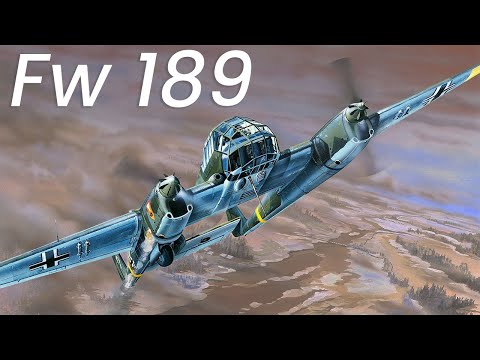
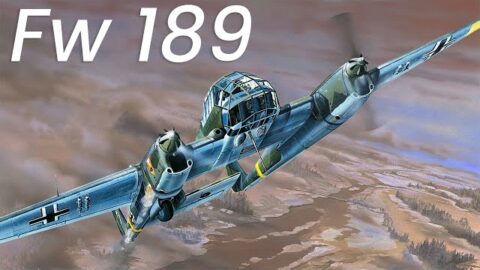
With its twin booms, glasshouse cockpit, and eerie habit of lingering overhead, the Fw 189 quickly became one of the most recognizable aircraft on the Eastern Front. Officially, it was just a reconnaissance plane built to observe, photograph, and report. In reality, it became something far more infamous.
To German troops, the “Flying Eye” was a reassuring presence, a watchful guardian that seemed impossible to shoot down. To Soviet soldiers, it was a hated omen, its silhouette in the sky signaling that artillery fire and air attacks would soon follow. Few aircraft designed merely to watch the battlefield managed to inspire such strong emotions on both sides, but the Fw 189 did exactly that.
An Unusual Aircraft for a Brutal Front
When the Focke-Wulf Fw 189 appeared over the Eastern Front, it stood out immediately. Its twin-boom design and bulbous, glass-covered cockpit looked almost fragile compared to the sleek fighters of the era. Yet this odd-looking aircraft would become one of the most memorable machines of the Second World War. Designed for short-range tactical reconnaissance, the Fw 189 proved that seeing the battlefield clearly could be just as decisive as dominating it with firepower.
The heart of the Fw 189 was its exceptional visibility. The heavily glazed cockpit gave the crew an almost unobstructed view in every direction, earning the aircraft its famous nickname: the “Flying Eye.” This made it ideal for spotting enemy movements, directing artillery, and assessing battlefield damage. On the vast, fluid battlefields of the Eastern Front, this ability was priceless.
Loved by One Side, Hated by the Other
Despite its delicate appearance, the Fw 189 was remarkably hard to bring down. It was highly maneuverable at low altitude and could absorb significant damage while still returning to base. Its defensive armament, combined with a well-coordinated crew, allowed it to fend off attackers long enough to escape. Soviet pilots often complained that the aircraft was far more resilient than expected.
German ground troops welcomed the sight of an Fw 189 overhead. Its presence often meant accurate artillery support and a clearer picture of enemy positions. For Soviet soldiers, however, the aircraft inspired dread. When the Fw 189 appeared, it usually signaled that German guns would soon follow. This psychological impact made it one of the most disliked enemy aircraft on the Eastern Front.
More Than a Recon Plane
While reconnaissance was its primary role, the Fw 189 was also used for light attack, liaison, and even limited ground-support missions. Its versatility kept it in service even as the war situation worsened for Germany. Few reconnaissance aircraft adapted so effectively to the changing demands of a brutal, fast-moving front.
The Fw 189 left a lasting mark on the war, despite never being produced in large numbers. It demonstrated the vital importance of battlefield awareness and how a well-designed reconnaissance aircraft could influence combat far beyond its capabilities. Strange-looking, resilient, and unforgettable, the Fw 189 earned its place as one of the most iconic aircraft of the Eastern Front.