Most Hated Planes To Fly By Pilots Ever
YouTube / ọgni
Some aircraft were feared not by the enemy, but by the pilots who had to fly them. During World War II and the early jet age, several airplanes developed reputations for being difficult to handle, prone to mechanical problems, and unforgiving in performance. A small mistake in the cockpit could quickly become deadly.
This deep dive examines 20 aircraft that pilots dreaded flying, exploring why they were considered so hazardous and whether subsequent improvements ever made them safer.
1. Douglas TBD Devastator
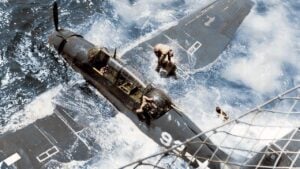
By the time of the major carrier battles in World War II, the Devastator was already outdated. It was slow, poorly armored, and highly vulnerable to enemy fighters and anti-aircraft fire. Pilots often had to fly low and straight during torpedo runs, making survival extremely unlikely in heavily defended waters.
2. Brewster F2A Buffalo
The Buffalo suffered from poor maneuverability and performance, especially in hot climates. When facing more agile enemy fighters, it struggled to keep up and became difficult to defend in combat. Many pilots considered it underpowered and dangerously outclassed.
3. Mitsubishi A6M Zero
While deadly in combat, the Zero sacrificed protection for performance. It lacked armor and self-sealing fuel tanks, meaning even minor hits could ignite the aircraft. Pilots knew that once damaged, survival chances were slim.
4. Messerschmitt Me 163 Komet
The Komet was incredibly fast but extremely dangerous. It used volatile rocket fuel that could explode during fueling or landing. Many pilots feared the aircraft more than enemy fighters because a minor mistake could end in disaster.
5. Yakovlev Yak-38
Designed for vertical takeoff operations, the Yak-38 had weak engines and limited range. It struggled with payload and often performed poorly compared with conventional fighters. Pilots found it underpowered and difficult to operate safely.
6. Convair F-102 Delta Dagger
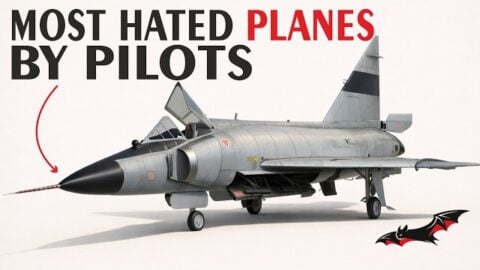
Early versions of the F-102 suffered from aerodynamic problems that limited speed and performance. Before design fixes were introduced, the aircraft struggled to reach its intended supersonic capability. Pilots often criticized its handling and limitations.
7. Heinkel He 162
Built late in the war using rushed production and low-quality materials, the He 162 had structural weaknesses. Its powerful jet engine also made the aircraft difficult for inexperienced pilots to control. Accidents during training were common.
8. Lockheed P-38 Lightning
Although highly capable, early P-38 models suffered from dangerous high-speed dive issues. Compressibility could lock the controls, preventing pilots from pulling out of dives. Before fixes were introduced, this problem caused several fatal accidents.
9. Blackburn Botha
The Botha quickly developed a terrible reputation among crews. It was unstable, underpowered, and had poor visibility from the cockpit. So many accidents occurred during training that the aircraft was soon withdrawn from frontline service.
10. Boeing B-29 Superfortress
Despite being technologically advanced, early B-29s suffered from serious engine overheating problems. Fires could break out mid-flight, putting entire crews at risk. Maintenance crews worked constantly to keep the powerful engines operational.
11. Tupolev Tu-104
One of the world’s first jet airliners, the Tu-104, was known for difficult handling and stability issues. It was prone to dangerous stalls and sudden loss of control. Several accidents led pilots to distrust the aircraft’s safety.
12. Vought F7U Cutlass
The Cutlass looked futuristic but suffered from unreliable engines and poor carrier landing characteristics. Its unusual design made it difficult to control at low speeds. Numerous accidents led many naval aviators to view it as hazardous.
13. Grumman F-11 Tiger
The F-11 Tiger became infamous after a rare incident in which a pilot accidentally shot down his own aircraft during a test flight. While generally capable, the aircraft required careful handling at high speeds.
14. English Electric Lightning
The Lightning was extremely fast but had limited fuel capacity. Pilots often joked that it spent more time heading back to base than flying combat missions. Its demanding performance and high landing speeds made it challenging to operate.
15. Douglas C-133 Cargomaster
The massive C-133 transport aircraft suffered from structural fatigue and reliability concerns. Some aircraft experienced catastrophic failures in flight. These issues made crews wary of the aircraft despite its impressive cargo capacity.
16. Lockheed F-104 Starfighter
Nicknamed “the missile with a man in it,” the F-104 had tiny wings and extremely high landing speeds. In several air forces, it earned a reputation for accidents, particularly during low-level missions and poor weather.
17. de Havilland Sea Vixen
The Sea Vixen’s unique cockpit layout limited visibility for one crew member. Carrier operations added extra risk, especially at night or in bad weather. Several accidents reinforced its reputation as a demanding aircraft to fly.
18. Fiat G.91
The G.91 was agile but had limited power and range. Pilots sometimes found it difficult to operate in demanding combat roles. Its small size and limited payload reduced its effectiveness in some missions.
19. McDonnell F-4 Phantom II
The Phantom II was powerful but heavy and complex. Early versions lacked an internal gun and had tricky landing characteristics. Pilots also had to manage high speeds and heavy controls during intense combat situations.
20. Convair F-102 Delta Dagger
Although improved later in its career, early F-102s struggled with aerodynamic inefficiencies and performance limitations. Pilots initially viewed the aircraft as disappointing compared with expectations for a modern interceptor.