

Six US Service Members Confirmed Dead in Iraq KC-135 Plane Crash; Hegseth Claims
ABC News / YouTube
Crash During Ongoing Middle East Conflict
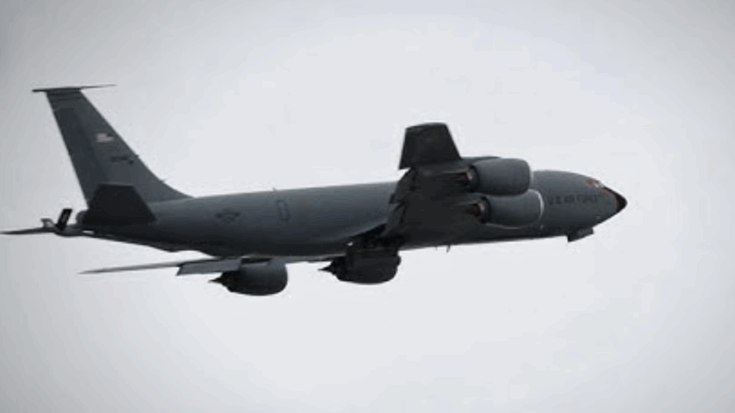
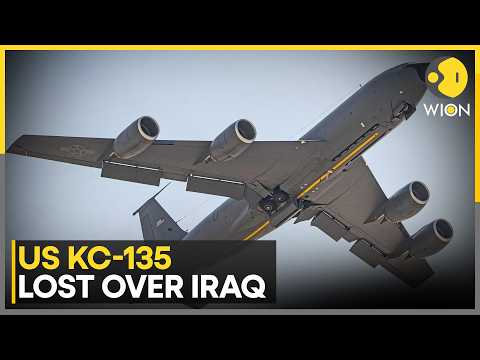
Six U.S. service members died after a U.S. military refueling aircraft crashed in western Iraq on March 12, 2026, U.S. Central Command announced Friday. The plane, a Boeing KC‑135 Stratotanker, was supporting Operation Epic Fury, the ongoing military campaign linked to U.S. and allied strikes against Iran. Central Command said the crash happened in friendly airspace and was not caused by enemy fire or fire from friendly forces. The cause of the incident is under investigation as officials work to understand how the aircraft went down.
The KC‑135 aircraft are designed to refuel other planes in midair, allowing fighter jets and bombers to stay aloft longer without landing. These aircraft have been a core part of U.S. military air operations since the 1950s, but the crash this week highlights the dangers crews face even when they are not in direct combat with an adversary.
Two KC‑135 Stratotankers were operating together when the crash occurred. One crashed, killing all six crew members aboard, while the second aircraft experienced damage but landed safely at Ben Gurion International Airport in Tel Aviv, Israel. The damaged tanker had lost part of its vertical stabilizer before returning to the base without further injuries reported.
U.S. officials initially reported four fatalities and said the remaining two crew members were missing. By Friday, Central Command confirmed that all six members of the downed aircraft’s crew had died. The military is withholding the names of the deceased until their families can be notified.
Reaction from U.S. Military Leaders
At a news conference, Gen. Dan Caine, chair of the U.S. Joint Chiefs of Staff, said the crew was on a combat mission at the time of the crash. He described the conditions of the mission and acknowledged the loss of life. The crash adds to the toll of American troops killed in operations tied to the conflict, which began on February 28 and has seen sustained air operations targeting Iranian missile, drone, and infrastructure capabilities.
U.S. Defense Secretary Pete Hegseth praised the service members, calling them “American heroes” and stressing that their sacrifice would reinforce the mission’s resolve. Hegseth has previously warned that more American casualties could occur as the campaign continues. His comments reflected the increasing risks to U.S. forces as they support long‑range air operations throughout the region.
KC‑135 crews typically include a pilot, a co‑pilot, and a boom operator, who controls the fuel‑transfer boom. Each crew member plays a role in ensuring that fighter and support aircraft can refuel safely while airborne, a difficult task that depends on steady flying and precise coordination.
Wider Conflict Context
The plane’s crash is one of several aircraft losses that have occurred since U.S. and allied forces began striking Iranian targets earlier this year. In early March, three U.S. F‑15E fighter jets were lost due to an apparent friendly fire incident in Kuwait, though all six crew members ejected and were recovered safely. Those events, along with this week’s tanker crash, underscore the complex nature of combat operations involving many aircraft in a crowded airspace.
So far in the conflict, U.S. military officials have reported several service member deaths and dozens of wounded personnel as the campaign against Iran continues. The KC‑135 crash adds to these figures, bringing attention to the risks faced by crews providing essential support functions far from their home bases.
Regional Military and Economic Impact
Beyond the human toll, the wider conflict has affected regional stability and global markets. Oil prices rose above $100 a barrel following attacks on shipping lanes and cargo ships in the Gulf, and stock markets fell as tensions increased. These economic effects have drawn public and political focus in the United States and abroad, even as military operations continue.
France’s military also reported a fatal incident this week when a soldier died and several others were wounded in a drone attack at a base used to train Iraqi troops, underscoring the multinational footprint in the region. As the conflict unfolds, U.S. and allied forces continue to conduct strikes while managing the risks that come with prolonged and wide‑ranging air operation






