

He Took Down a German Ship With a Spear—The WWII Story Few Know
History's Heroes Heard / YouTube
Job Maseko and the Hidden Act of Defiance at Tobruk
During the North African campaign of the Second World War, the port of Tobruk became one of the most contested locations along the Mediterranean coast. Control of this harbor meant access to vital supply routes, and both Allied and Axis forces fought hard to hold it. In June 1942, the balance shifted when German and Italian forces captured the port, taking tens of thousands of Allied soldiers prisoner. Among them was Job Maseko, a member of South Africa’s Native Military Corps, whose actions in captivity would later stand out in wartime history.
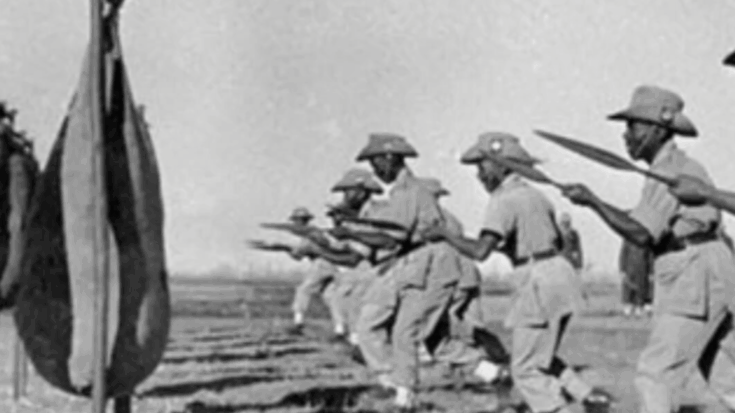
Maseko had served as a stretcher-bearer during the fighting, helping evacuate wounded soldiers under fire. Like many Black South African volunteers, he was not originally assigned a combat role due to the racial policies of the time. Even so, the intensity of the battle forced many into frontline duties before the eventual surrender of Tobruk.
The Fall of Tobruk and Its Aftermath
Tobruk’s defenses had been weakened before the final assault. Earlier in the war, the port had resisted a long siege, but by mid-1942 its garrison was smaller and less experienced. When German forces attacked in June, they struck a vulnerable section of the line, supported by aircraft and armored units. The rapid advance overwhelmed the defenders, and the port fell within a day.
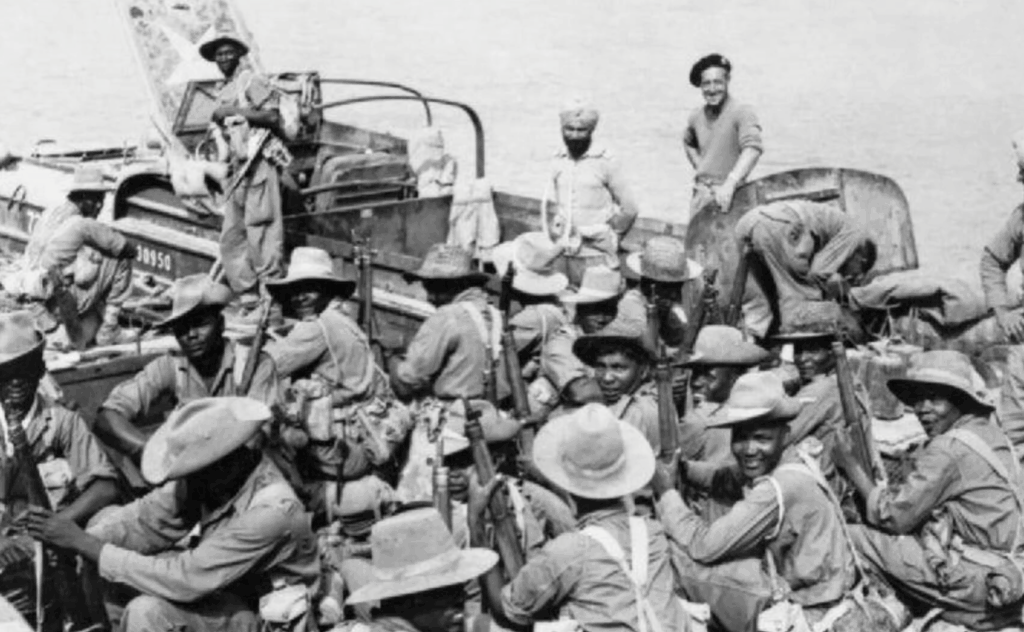
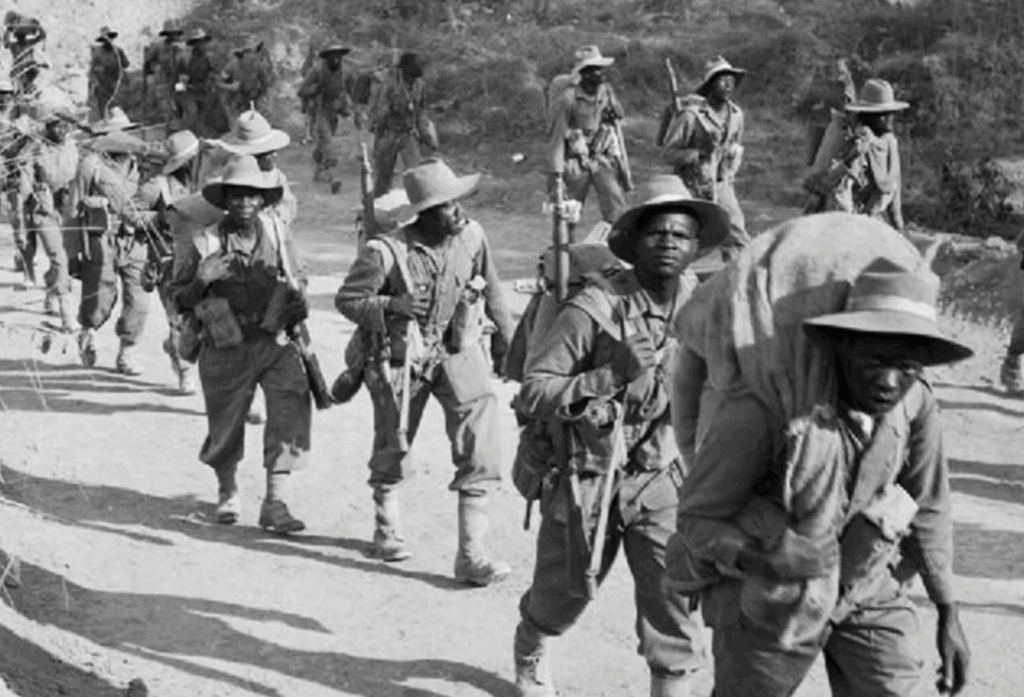
Following the surrender, thousands of Allied troops were taken prisoner and marched across harsh desert terrain. Conditions were especially difficult for Black and Indian soldiers, who were often treated worse than other captives. Food was limited, water was scarce, and many were forced into labor at the harbor, unloading ships under constant guard. These conditions shaped Maseko’s decision to act against his captors.
A Weapon Built in Secret
While working near the docks, Maseko began planning an act of sabotage. Drawing on his background as a miner, he understood how explosives worked. Using discarded materials, including a small metal container and powder taken from unused ammunition, he constructed a simple explosive device. Such an effort required careful timing and secrecy, as discovery would have led to severe punishment.
In July 1942, about a month after the fall of Tobruk, Maseko carried out his plan. With the help of fellow prisoners who distracted nearby guards, he slipped aboard a German supply ship docked in the harbor. Moving carefully, he placed the device near stored fuel and lit the fuse before leaving unnoticed. Moments later, an explosion tore through the vessel, causing significant damage and sinking it at its berth.
Escape and Recognition
The destruction of the ship disrupted supplies that were intended to support operations in North Africa, including the fighting that would soon take place at El Alamein. Around the same time, Maseko and several other prisoners managed to escape captivity. They crossed difficult terrain for weeks before rejoining Allied forces.
After the war, Maseko’s actions were acknowledged, though not fully recognized at the highest level. He was awarded the Military Medal for bravery, while some argued that his actions deserved a higher honor. Despite his service, like many Black veterans from South Africa, he returned home to limited support and recognition.
In later years, efforts have been made to remember his contribution. His name has been used for naval vessels, and historians have continued to highlight his role in the wider story of the war in North Africa.






