

The Bomber That Didn’t Get the Credit for Helping Win WWII
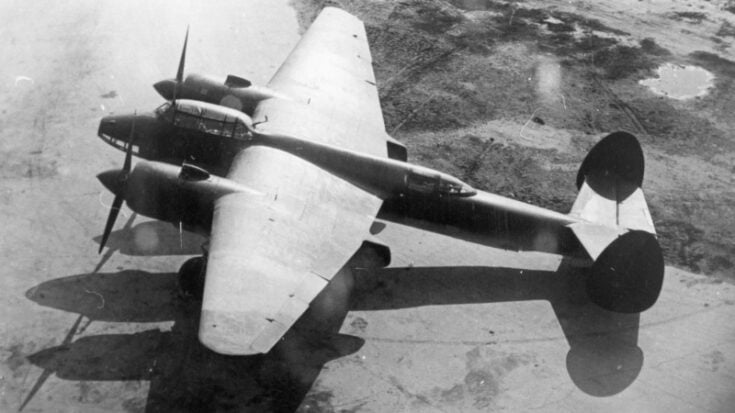
Ray Wagner Collection, Public domain, via Wikimedia Commons
In the early years of the Second World War, the Soviet Union faced a serious challenge in the air. German aircraft had gained an early advantage, leaving Soviet forces in urgent need of modern designs. In response, officials turned to one of the country’s most experienced engineers, Andrei Tupolev. At the time, he was not working in a laboratory but was being held in a special prison for engineers. From that unlikely setting came the design of the Tupolev Tu-2, a twin-engine bomber that would become one of the Soviet Union’s most effective wartime aircraft.
The Tu-2 did not begin as a simple replacement for older bombers. Soviet planners wanted an aircraft that could combine speed, firepower, and flexibility. Tupolev argued for a fast twin-engine design instead of a heavier four-engine model. His team worked under strict supervision, producing detailed plans despite limited freedom and constant pressure.
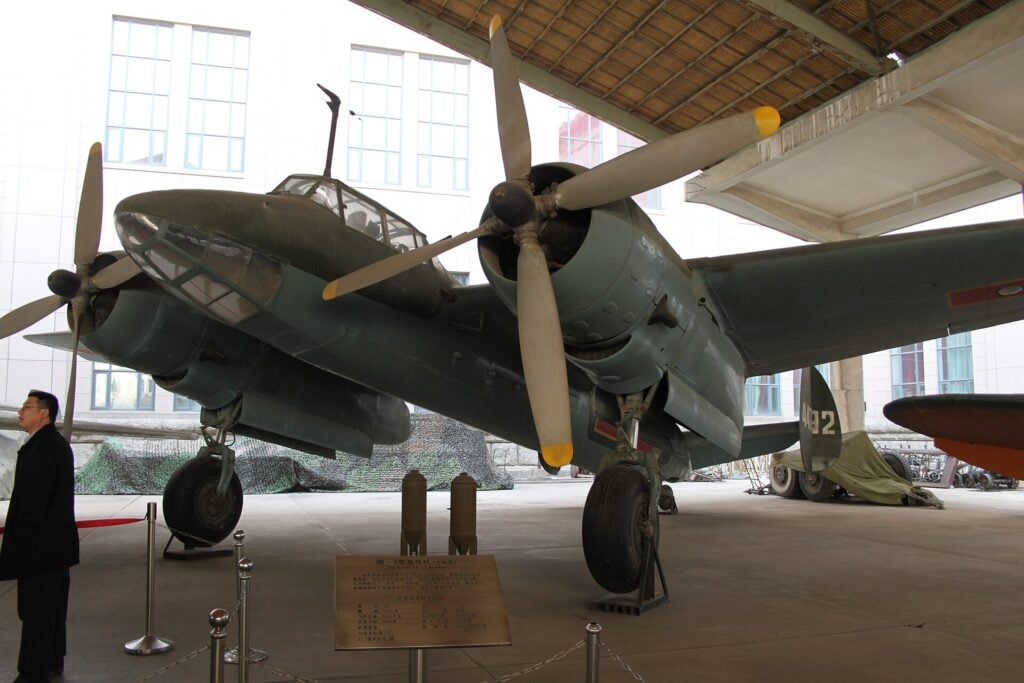
Design and Early Development
The first prototype, known as Aircraft 103, flew in early 1941. It was an all-metal aircraft powered by two engines and designed for high-speed operations. Early testing showed that the plane could reach speeds close to those of contemporary fighters while still carrying a useful bomb load. This combination made it suitable for a wide range of missions.
Production, however, did not begin smoothly. As German forces advanced into Soviet territory in 1941, factories shifted priorities to fighter aircraft needed for immediate defense. Only a small number of early Tu-2 units were built at first. Engineers continued refining the design, improving cockpit layout, defensive armament, and overall reliability before full production resumed later.
Entry Into Combat
By 1942, the Tu-2 began entering active service. Its first missions took place over areas such as Velikiye Luki, where Soviet forces were trying to regain control from German occupation. Crews quickly recognized the aircraft’s strengths. It could absorb damage, operate in harsh weather, and deliver bombs with accuracy. These qualities were especially valuable on the Eastern Front, where conditions often limited other aircraft.
The Tu-2 also supported major Soviet operations, including the counteroffensive at Stalingrad. During Operation Uranus in late 1942, Soviet forces aimed to surround and isolate German troops. Bombers like the Tu-2 played a supporting role by striking supply lines, railways, and airfields. This helped weaken enemy positions and reduce their ability to respond.
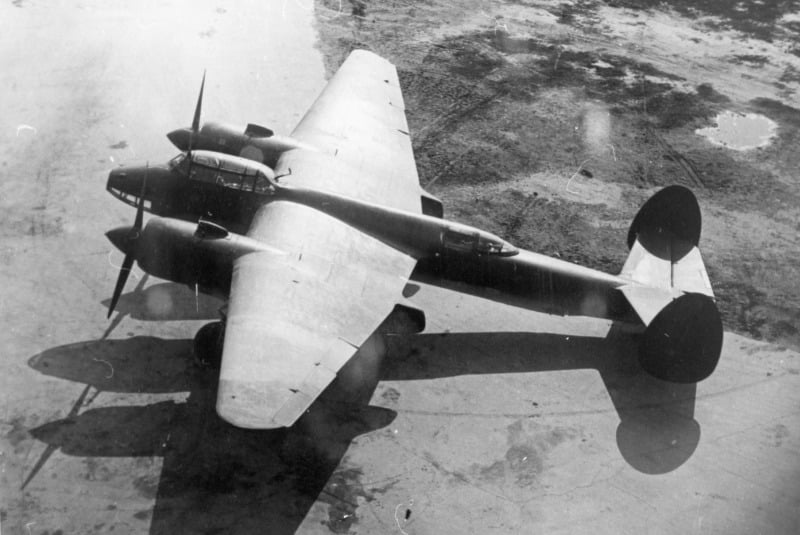
Expanding Roles and Production
As the war continued, the Tu-2 proved adaptable. It could be configured for different missions, including reconnaissance and ground attack. Crews could adjust weapons and equipment depending on operational needs. This flexibility allowed the aircraft to remain useful across changing battlefield conditions.
Improved versions, such as the Tu-2S, entered service in 1943 with stronger engines and simplified construction. Production increased as factories in safer regions expanded output. By the later stages of the war, the Tu-2 was widely used in Soviet air operations, supporting advances into Eastern Europe and eventually toward Berlin.
Service Beyond the War
By 1945, more than a thousand Tu-2 aircraft had been built. The bomber continued to serve after the war, with further production extending into the late 1940s. It remained part of Soviet air forces for years and was also exported to allied countries.
The Tu-2’s development under difficult circumstances and its steady performance in combat ensured its place in aviation history, even if it is less widely known than other aircraft of the period.


.jpg)