

The Truth About the Ho 229 and WWII Stealth Claims

YouTube / Sandboxx
The Horten Ho 229 is often described as the world’s first stealth aircraft. That claim appears frequently in media and online discussions, but the historical record tells a different story.
Built for Speed, Not Stealth
Designed by Reimar Horten and Walter Horten, the Ho 229 emerged from a 1943 requirement issued by Hermann Göring. The goal was a fast, long-range bomber capable of carrying a meaningful payload.
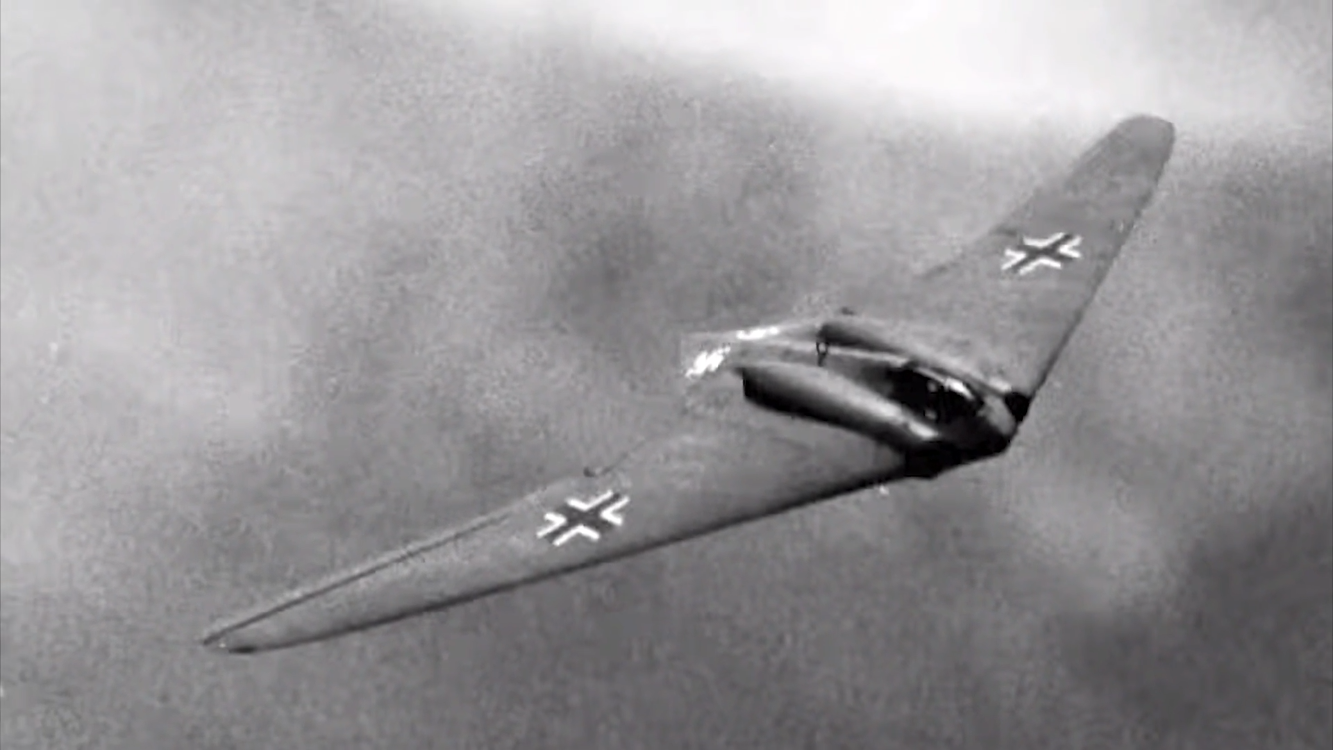
The flying wing design was chosen for aerodynamic efficiency. By eliminating a conventional fuselage and tail, drag could be reduced, improving speed and range. There is no evidence that radar evasion played any role in the aircraft’s design.
A Program That Never Reached Maturity
Only a few prototypes were built. The Ho 229 V2, the only powered version to fly, crashed in 1945, killing its test pilot. A third prototype was under construction when the war ended, and the aircraft never reached operational status.
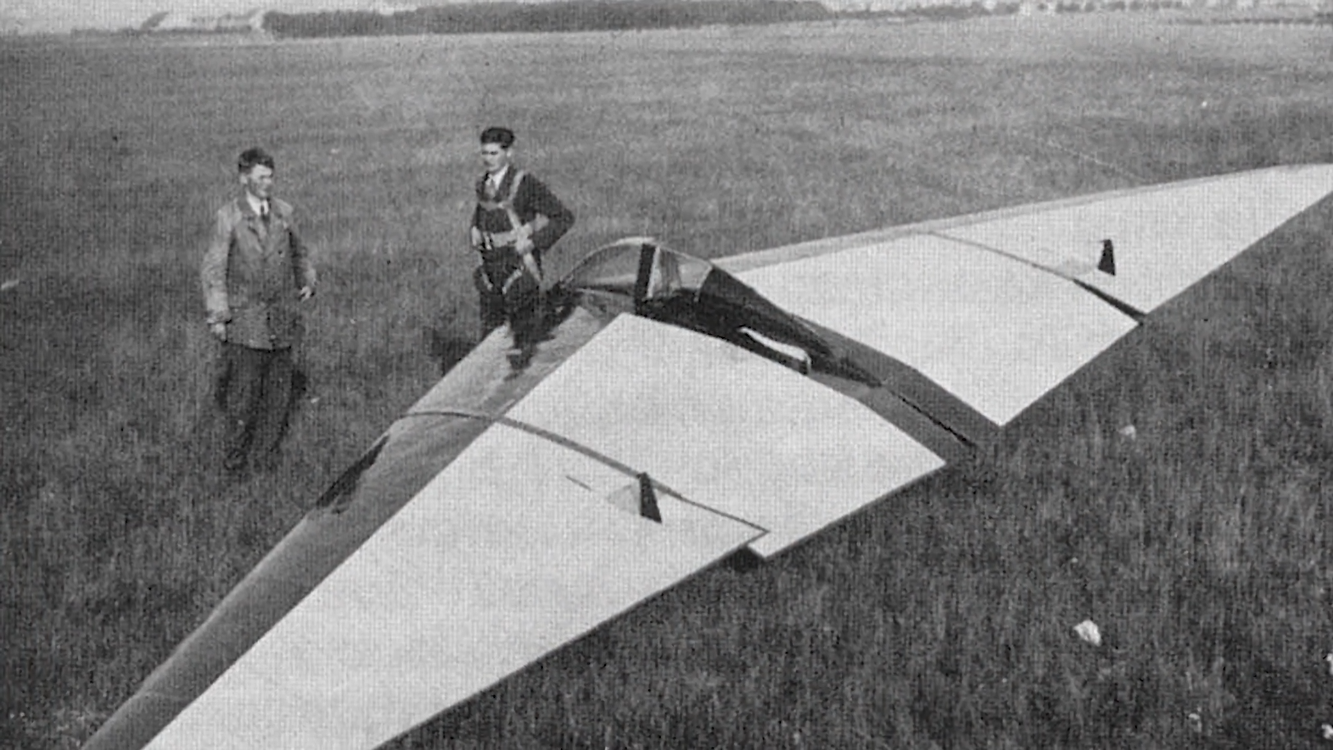
Postwar analysis and recovered documents show no indication of stealth-focused engineering. Claims that the aircraft used radar-absorbing materials, such as charcoal-based coatings, have been examined and found unsupported.
Where the Stealth Story Came From
The stealth narrative gained traction decades later. In the 1980s, Reimar Horten suggested that his design may have had radar-reducing qualities. These claims aligned with growing public awareness of stealth programs like the Lockheed F-117 Nighthawk, giving the idea broader appeal.
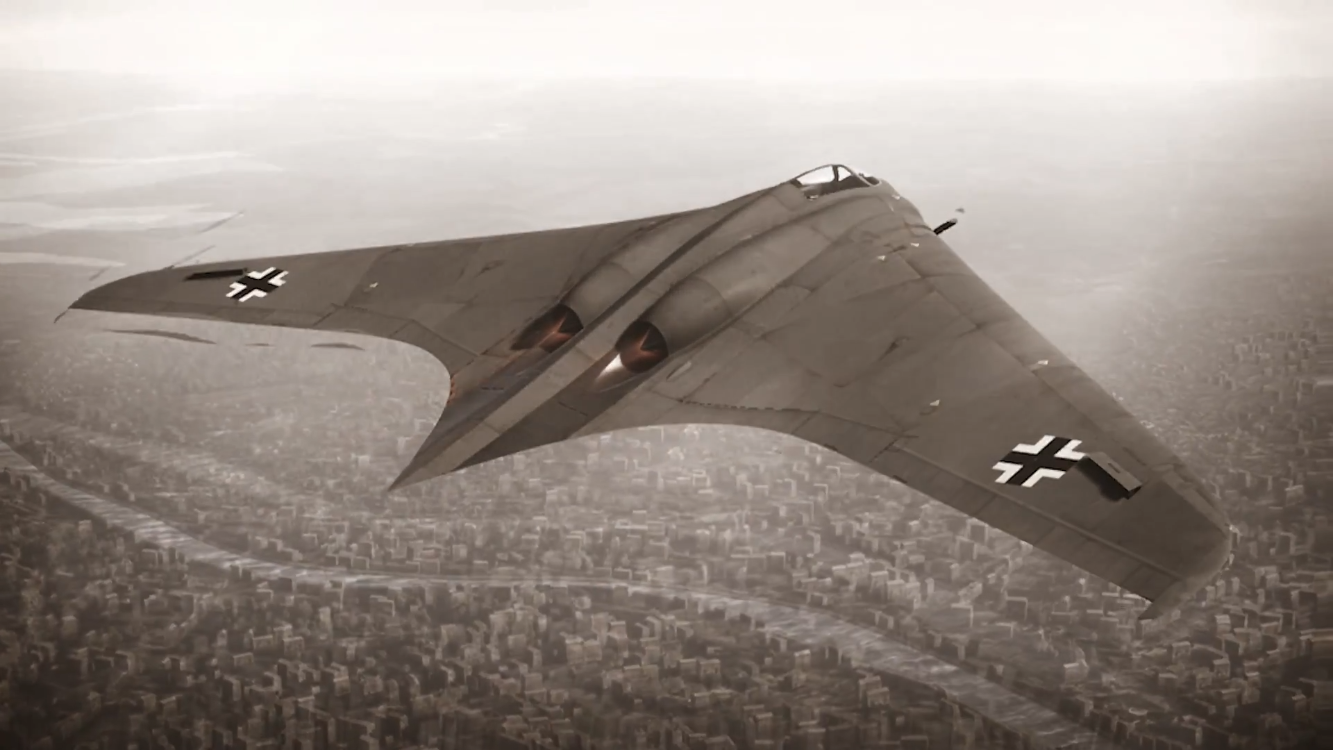
Media coverage amplified the story. A 2009 documentary further popularized the claim, presenting the Ho 229 as a potential stealth breakthrough. However, later technical analysis showed that key components capable of producing strong radar returns were excluded from testing, limiting the validity of those conclusions.
The Real Significance of the Ho 229
The Ho 229 remains an important aircraft in aviation history as one of the first jet-powered flying wings. Its configuration reflected a focus on efficiency and performance, not invisibility.
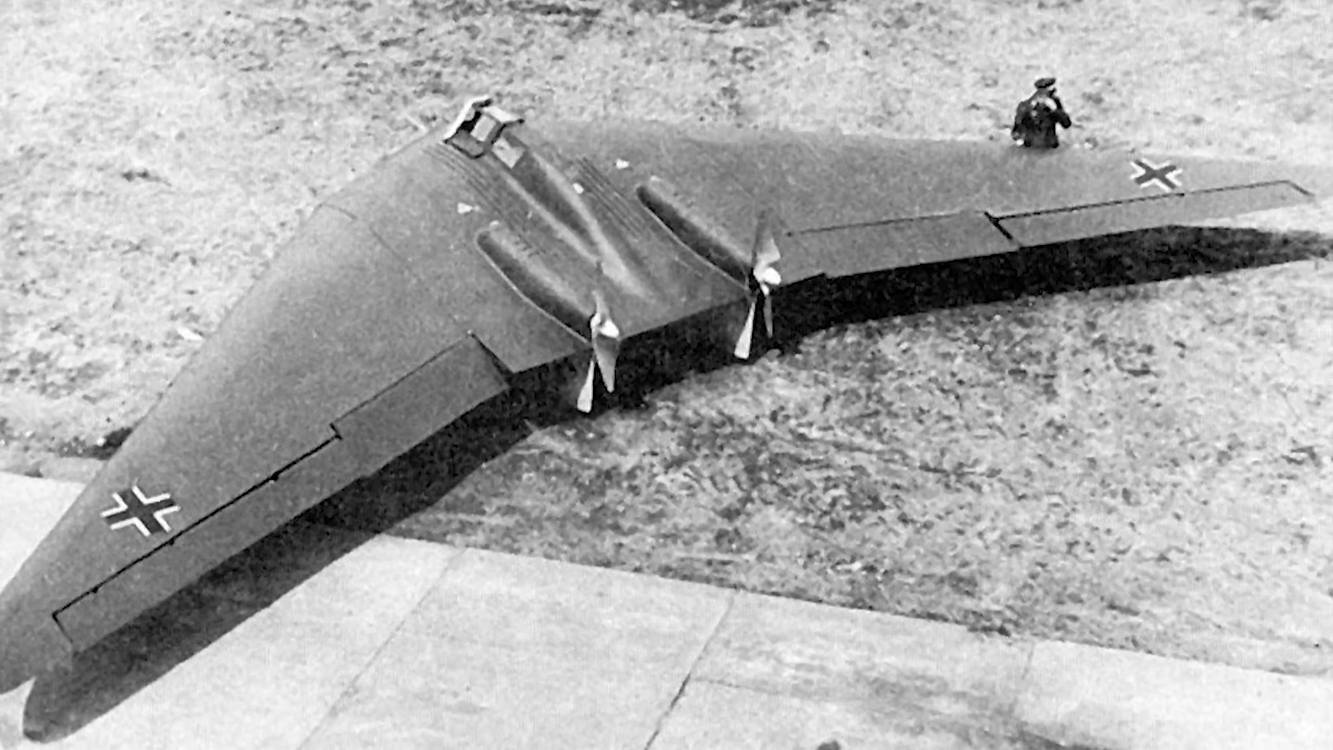
Stealth technology, as it exists today, relies on advanced materials, shaping techniques, and decades of research that did not exist during World War II. The Ho 229 represents innovation within its time, but not the origin of stealth.







