

Does The MiG-15’s Radioactive Paint Still Work
YouTube / Air Zoo
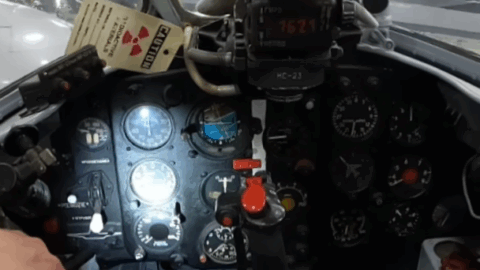
Inside the cockpit of the Mikoyan-Gurevich MiG-15, a small detail reveals how early jet pilots operated in low-light conditions. At the Air Zoo Aerospace & Science Museum, a demonstration shows how the aircraft’s instruments were designed to remain visible without modern lighting systems.
A Glow Built Into the Instruments
Many of the MiG-15’s cockpit dials were coated with radioactive paint. This material allowed the markings to glow in the dark, giving pilots a constant visual reference during night operations or poor visibility.
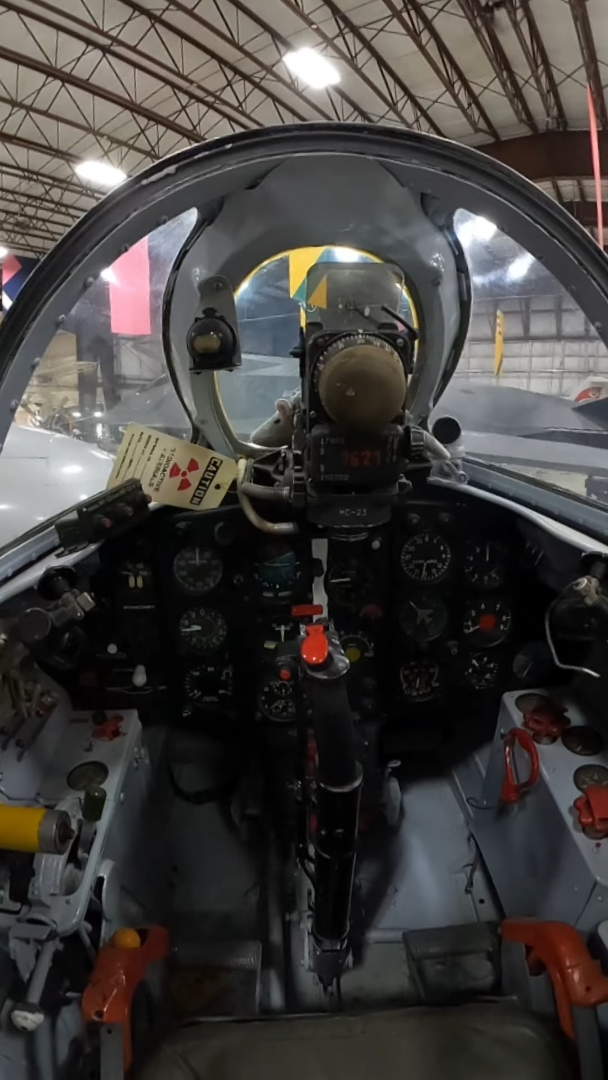
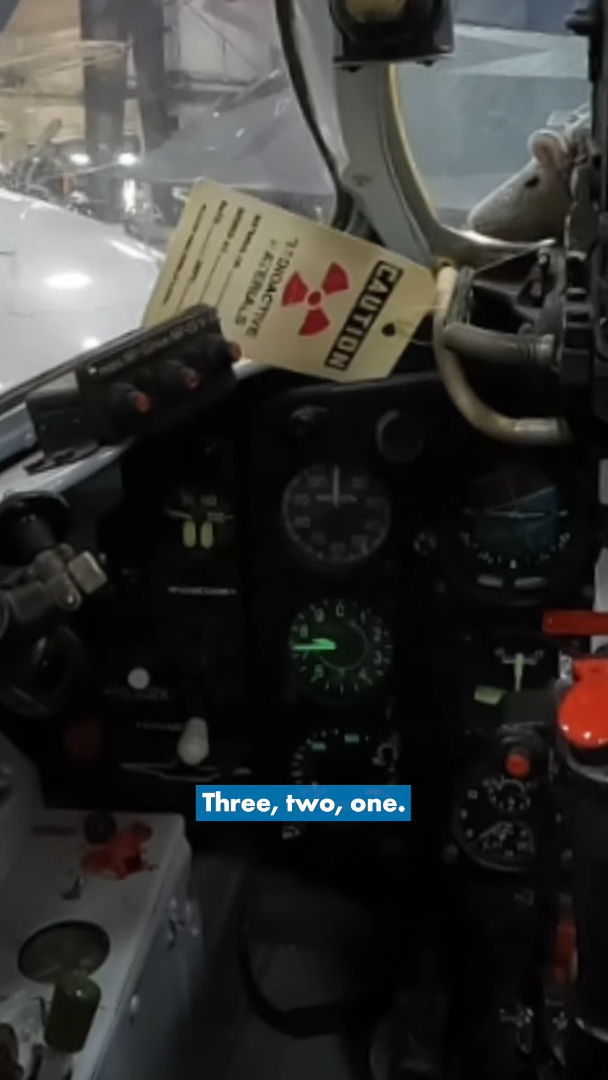
Using a small flashlight, the effect becomes clear. When the light is removed, the instrument briefly emits a green glow. This reaction highlights the presence of the radioactive coating, which was common in military aircraft of the era.
Practical, But Not Without Risk
The glowing paint served a clear purpose. It reduced the need for external lighting and allowed pilots to keep their attention on flying and combat tasks. In an aircraft like the MiG-15, where cockpit space was limited and workload was high, this feature added a layer of practicality.
However, the use of radioactive materials also carried long-term risks. At the time, the priority remained operational effectiveness rather than safety standards that would emerge decades later.







