Three Tiny Islands Could Decide the Strait of Hormuz
YouTube / CNN
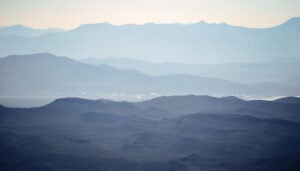
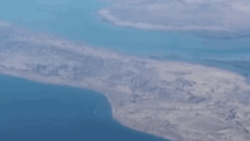
At the entrance to the Strait of Hormuz sit three small rocky islands that most people have never heard of. Abu Musa, Greater Tunb, and Lesser Tunb occupy some of the most strategically valuable real estate on earth. One fifth of the world’s daily oil supply passes through the narrow channel they overlook. Whoever controls them can monitor and threaten every ship that moves through it.

Iran has held all three since 1971, when forces under the Shah seized them as Britain withdrew from the Gulf. The UAE has never accepted that seizure as legitimate and still claims sovereignty over the islands. The dispute has simmered for over fifty years without resolution. The war that began on February 28, 2026 has given it new urgency.

Military forces positioned on those islands can track vessel movements through the strait, provide targeting data for anti-ship weapons, and project force across the channel’s narrow width. That combination of surveillance and strike capability translates directly into leverage over global energy flows. Iran’s ability to threaten Hormuz shipping isn’t theoretical. It is partly a function of the physical position these islands occupy at the strait’s entrance.

The war has already disrupted Gulf shipping. Iran’s Revolutionary Guard has declared it will block regional oil exports to hostile nations. The US struck 16 Iranian minelaying vessels operating near the strait last week. Global oil markets responded immediately to both developments. The three islands that have sat at the center of a territorial argument for half a century are now sitting at the center of a live conflict over the waterway they command.