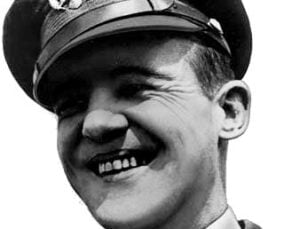
How a Greek Pilot Terrified Italian Forces During WWII
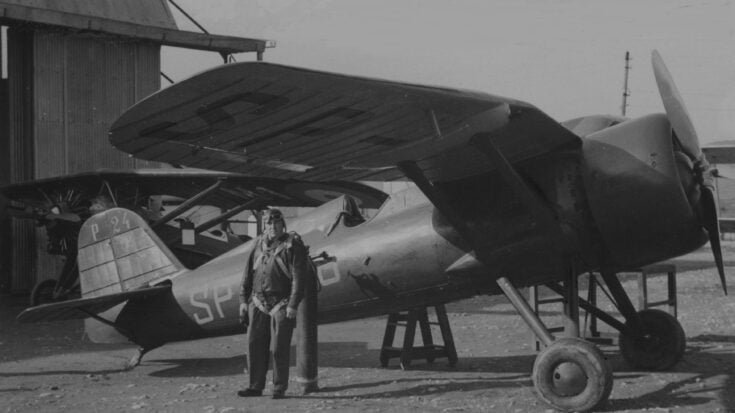
See page for author, Public domain, via Wikimedia Commons
In the early months of the Second World War, air combat over southeastern Europe was already fierce and unpredictable. Nations with limited resources often relied on skill and improvisation rather than advanced technology. It was in this environment, above northern Greece in November 1940, that one pilot made a decision that stood apart even in a conflict filled with extreme acts.
A Desperate Defense Over Thessaloniki
As Italian forces advanced, the city of Thessaloniki faced repeated air attacks. On November 2, a formation of Italian bombers, supported by fighters, approached the area. Greek pilots were quickly sent to intercept them, flying aircraft that were already considered outdated compared to their opponents.
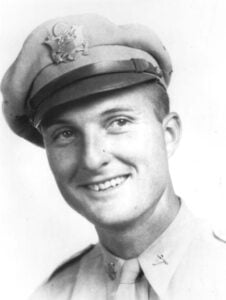
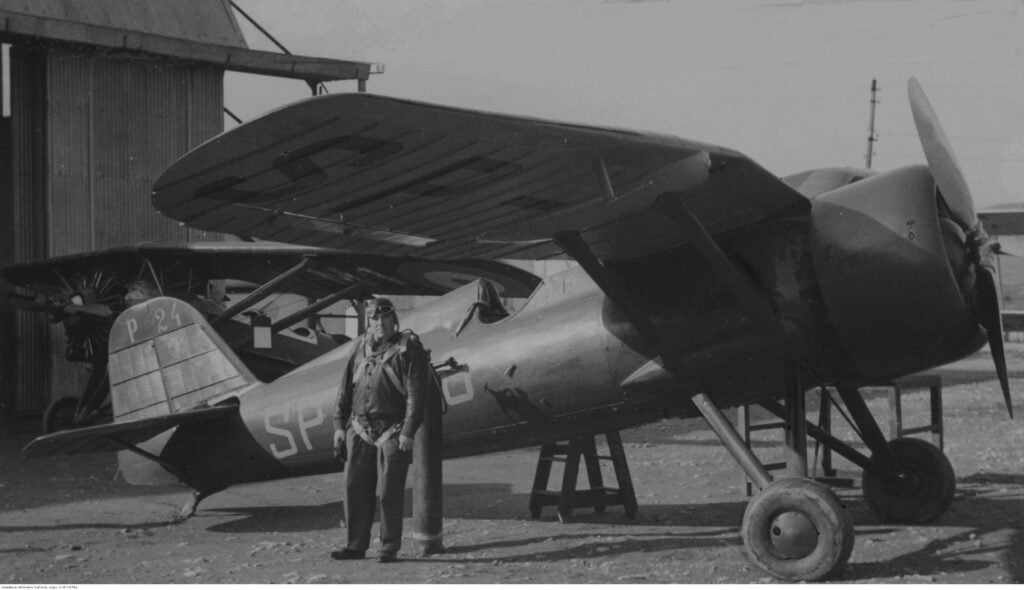
Among them was Marinos Mitralexis, a young officer trained just two years earlier. He flew the Polish-built PZL P.24, a fighter that lacked the speed and firepower of more modern designs. Despite this, Greek pilots depended on maneuvering skill and close-range attacks to defend their skies.
During the interception, Greek fighters clashed with the escorting Italian aircraft, allowing a few, including Mitralexis, to reach the bombers. As he closed in, defensive gunfire from the bombers filled the air. He pressed forward and fired, damaging one aircraft, which soon caught fire and fell away. This early success, however, came at a cost, as enemy fighters soon targeted him.
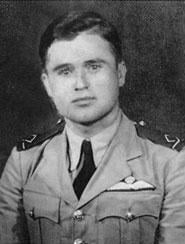
Out of Ammunition, Out of Options
In the middle of the engagement, Mitralexis found himself pursued and under pressure. While attempting to escape the fighters, he used much of his remaining ammunition. Moments later, he spotted another bomber heading toward Thessaloniki. He chose to attack again, even though his ammunition supply was nearly gone.
Climbing into position behind the bomber, he fired what little he had left. The attack damaged the aircraft, striking one of its engines. Flames began to spread, but the bomber continued forward. When Mitralexis attempted to fire again, his weapons fell silent. He had nothing left.
At that point, most pilots would have withdrawn. Instead, he made a rare and dangerous decision. Knowing that parts of the bomber’s tail structure were less durable, he aimed his aircraft directly at it. His first attempt failed to connect, but he quickly repositioned for another pass.
A Collision in Mid-Air
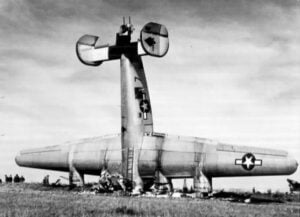
On his second approach, Mitralexis accelerated and aligned his fighter with the rear of the bomber. As he closed the distance, he raised his arm instinctively to shield himself. His aircraft struck the bomber’s tail section with force, breaking it apart. The Italian plane lost control and began to fall.
The impact damaged his own aircraft as well. With limited control, he guided it downward and managed a rough landing in a nearby field. Below, the crew of the damaged bomber had parachuted to safety. Mitralexis landed near them and approached with his sidearm. The shaken Italian airmen surrendered without resistance.
Continued Service and Final Years
Mitralexis continued to serve after this incident. Later in the war, he flew with Allied forces in North Africa, where he operated British-built Hawker Hurricane fighters and achieved additional aerial victories. His actions during the war reflected both determination and adaptability under difficult conditions.
In 1948, during a routine training flight over the Aegean Sea near the island of Tinos, his aircraft crashed, ending his life. His earlier action in 1940 remains one of the first recorded instances of an intentional aerial ramming attack during the conflict, carried out under circumstances where no other options remained.