

Why Storms Became Allies for U.S. Navy Carriers in World War II
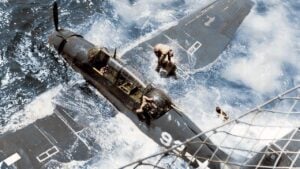
U.S. Navy, Public domain, via Wikimedia Commons
During the Pacific War, clear skies were not always welcome. For American naval commanders, bright weather often meant danger, while clouds and rough seas could offer protection. This idea may seem strange at first, especially when considering how difficult it was for pilots to land on aircraft carriers even in calm conditions.
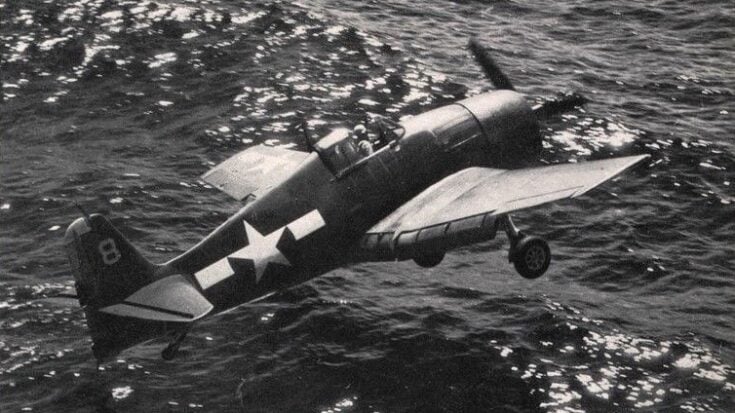
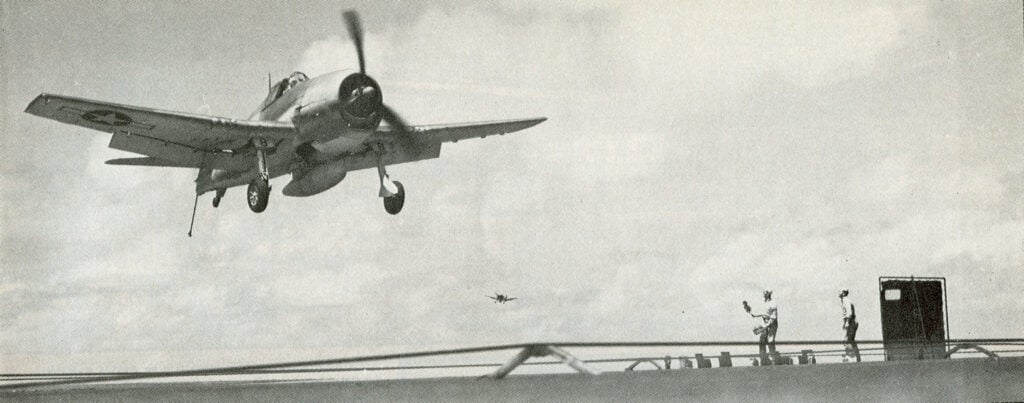
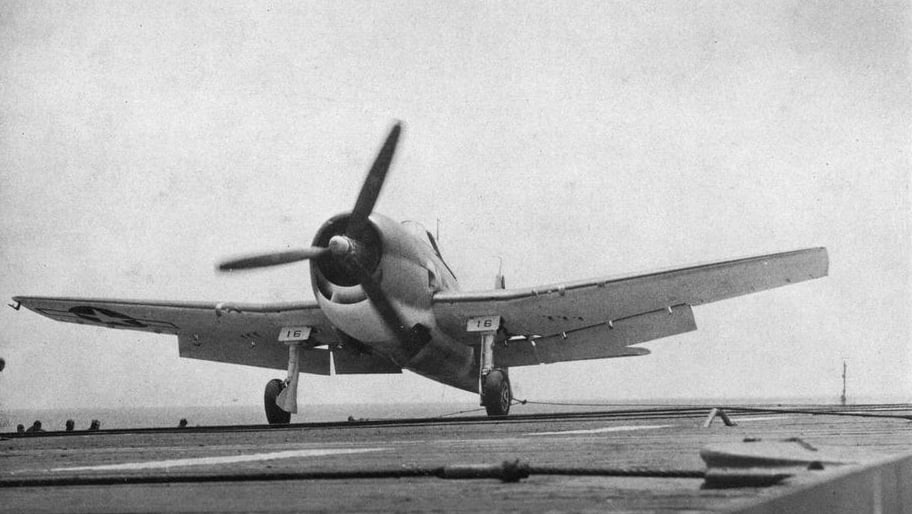
Carrier aviation in the 1940s demanded precision under pressure. Pilots returning from missions had to land on narrow flight decks that constantly shifted with the ocean. Aircraft such as the Grumman F6F Hellcat approached at speeds just above their stall limit, leaving little room for error. A missed arresting wire could send a plane crashing into barriers or overboard into the sea.
Weather as a Form of Concealment
In the early stages of the war, both American and Japanese forces relied heavily on visual detection. Radar technology was still developing, and Japanese carrier groups, in particular, had limited access to it during major engagements like the Battle of Midway. As a result, scouting aircraft depended on clear visibility to locate enemy fleets.
A carrier task force, however, was far from easy to hide in open water. Large ships created long wakes that could be seen from miles away. Aircraft operating above the fleet were also visible at great distances. In clear weather, this made carriers vulnerable to enemy search planes and attack formations.
To reduce this risk, American commanders began positioning their fleets near weather fronts. Clouds and low visibility helped conceal ships from aerial observation. Strike aircraft could launch from these hidden positions, fly into clearer skies to reach their targets, and then return to the safety of overcast conditions.
The Balance Between Risk and Survival
While storms provided cover, they also created new challenges for pilots. Landing required what sailors called “wind over deck,” a steady flow of air across the flight deck that helped slow aircraft during approach. Carriers achieved this by turning into the wind and increasing speed.
In calm weather, ships had to move faster to generate enough airflow, which consumed more fuel and made them easier to detect by submarines. Strong, steady winds from nearby weather systems reduced this need, allowing safer landings at lower ship speeds.
However, not all weather conditions were helpful. Sudden shifts in wind direction or speed could make landings unpredictable. Pilots depended on consistent airflow to maintain control during final approach. Landing signal officers guided them using visual cues, but poor visibility and a moving deck added constant tension.
The Human Cost of Rough Conditions
Pilots described carrier landings as one of the most stressful parts of their duties. In rough seas, the deck could rise and fall dramatically, forcing aviators to time their descent carefully. A misjudgment of only a few seconds could lead to disaster.
Flight decks were crowded spaces. Aircraft that failed to stop in time risked crashing into parked planes loaded with fuel and ammunition. This danger increased during night operations or poor weather, when visibility dropped further.
The risks of operating in extreme conditions became clear in December 1944 during Typhoon Cobra. Admiral William Halsey Jr. kept his fleet in position despite warnings. The storm caused severe damage, sinking three destroyers and destroying many aircraft. Nearly 800 sailors lost their lives.
Lessons Written in the Pacific
After this disaster, the U.S. Navy expanded its weather monitoring systems across the Pacific. Stations were established on islands as they were captured, improving forecasting and planning. Weather became a key part of naval strategy, studied as carefully as enemy movements.
By the final year of the war, commanders understood how to use storms wisely. The edge of a weather system offered the best conditions, providing both concealment and manageable winds for flight operations. Pilots continued to face extreme challenges, landing on moving decks under difficult conditions, guided by training, discipline, and constant communication.


.jpg)
,_circa_in_1944.jpg)