

How Two Pilots Defended Pearl Harbor and Got Denied Medals
United States Air Force, Public domain, via Wikimedia Commons
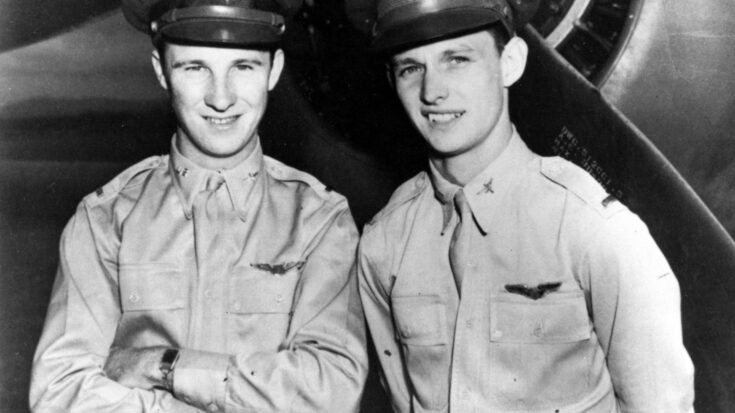
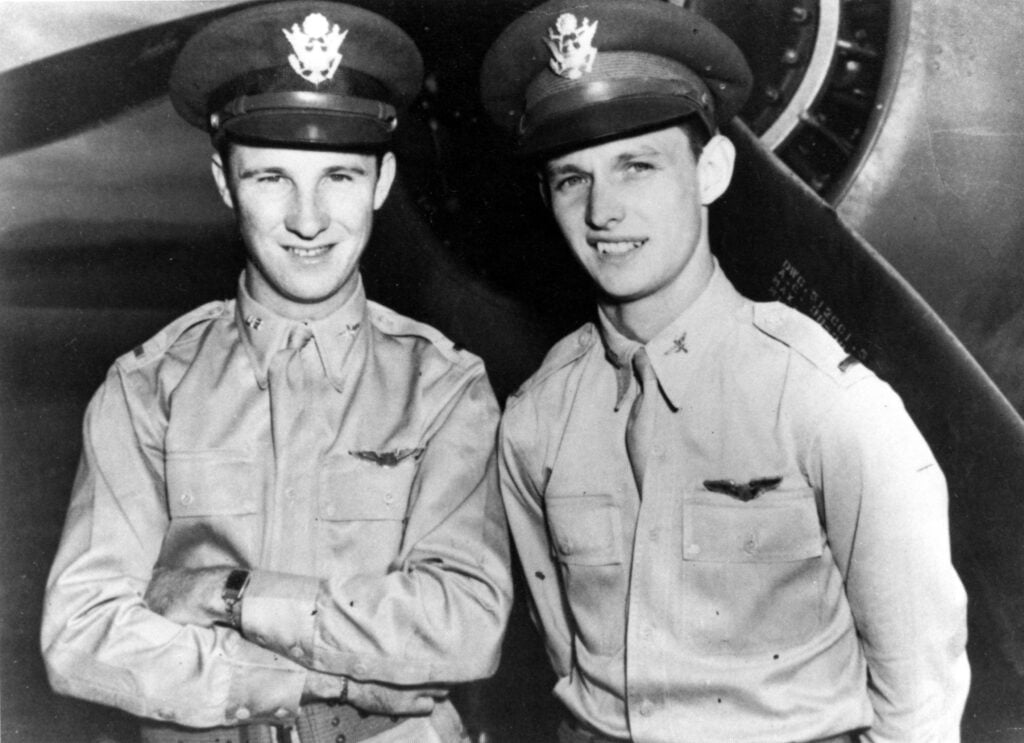
On the morning of December 7, 1941, most American servicemen in Hawaii were unprepared for war. Among them were two young Army Air Corps pilots, Kenneth Taylor and George Welch, who had spent the previous night at a party and were asleep in their barracks near Honolulu. What followed placed them among the first American fighter pilots to meet the attack in the air.
A Sudden Awakening
Shortly before eight o’clock, the sound of explosions and low aircraft jolted both men awake. At first, they assumed it was a drill, but smoke rising over Pearl Harbor quickly erased that thought. Taylor tried calling for orders, yet no one answered. With no guidance and little time, he remembered that several P-40 fighters were parked at Haleiwa, a small training field on Oahu’s north shore.
Still wearing tuxedo pants from the night before, Taylor and Welch jumped into their car and raced north. Enemy aircraft strafed roads and buildings as they drove at full speed. Haleiwa remained untouched when they arrived, and ground crews helped them into their fighters. The planes carried fuel and light ammunition, but there was no time to wait.
First Clash Over Oahu
The two pilots took off without orders and climbed fast. Soon they spotted a group of Japanese dive bombers attacking American positions. Flying side by side, they dove from behind and opened fire. Two enemy planes went down almost immediately, burning as they fell. The formation broke apart, and both pilots chased separate targets.
Welch was hit during one attack but stayed airborne. Taylor ran low on ammunition and headed for Wheeler Field, where wrecked aircraft and burning hangars covered the ground. Welch soon joined him, and mechanics rushed to reload their guns. Senior officers ordered them to stop flying, angry they had acted on their own.
Back Into the Fight
Before arguments could continue, another wave of bombers appeared. Taylor and Welch ignored the orders, started their engines, and took off again as bombs fell nearby. Climbing into clouds, Taylor suddenly emerged behind an enemy aircraft and fired. Moments later, his own fighter was struck, sending shrapnel into his arm and leg.
As Taylor struggled to escape, Welch dived from above and shot down the attacker on his tail. Taylor later said the wounds mattered little at the moment. Both pilots pressed on until enemy fighters withdrew. Welch later destroyed another fighter before fuel and damage forced them back to Haleiwa.
Aftermath and Recognition
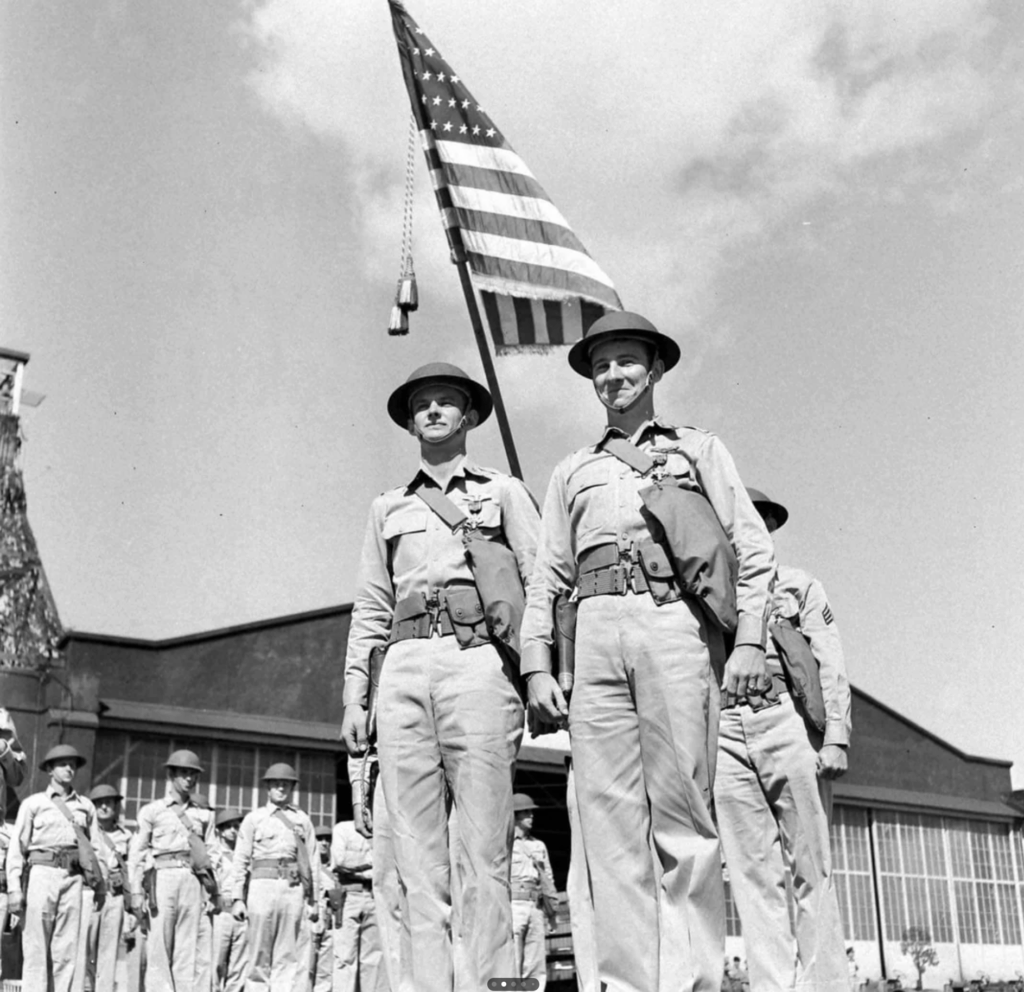
By day’s end, Welch was credited with four aerial victories, while Taylor had two confirmed and two probable. Later Japanese accounts suggested their actions disrupted attacks on Haleiwa, saving aircraft and personnel there. Exhausted, the two drove back to their barracks, only to be ordered again to return to the field, where their commander finally heard what they had done.
Both men received the Distinguished Service Cross. Welch was nominated for the Medal of Honor, but it was denied because he had taken off without orders. Taylor received the Purple Heart for his wounds. Both survived the war. Welch later died in a jet test flight in 1954, while Taylor lived quietly until 2006.







