

Lost Japanese WWII Ships Found Off US Coast After 80 Years
U.S. Navy / National Museum of the U.S. Navy / Wikimedia Commons / Public Domain
More than eighty years after they slipped beneath cold northern waters, two Japanese ships lost during the Second World War have been located just off the coast of the United States. Found near Alaska, the wrecks bring renewed attention to a little known chapter of the conflict often called the Lost Battle. The discovery highlights how close the war came to American shores and how much history still rests unseen beneath the sea.
The findings were made during a detailed underwater survey carried out near Attu Island in July 2024. The project was led by Dominic Bush of Ships of Discovery, Inc., with support from American and Japanese researchers. Using modern tools, the team searched waters tied to past air attacks and shipping losses from the Aleutian Islands campaign.
Finding the Missing Ships
The first ship identified was Kotohira Maru, a five thousand ton freighter carrying supplies to Japanese forces on Attu. It was sunk on January 5, 1943, after being spotted by a United States Navy weather aircraft. The wreck lies about three hundred feet down and sits just over half a mile from where records last placed it, showing a close match between history and the seafloor.
Bush described the site as deeply moving, noting that the vessel remains a mass grave. Damage to the bow matched reports that the ship had been struck twice during the attack. Nearby, the team also located Cheribon Maru, a smaller freighter destroyed by American bombers on Thanksgiving Day in 1942. This wreck is heavily broken and covered in kelp, showing how time and water have taken their toll.
War Reaches North America
The Aleutian Islands campaign remains one of the least studied parts of the Second World War, even though it involved fighting on North American soil. After an attack on Dutch Harbor in 1942, German allies’ Japanese forces occupied Attu, prompting months of air raids aimed at cutting supply lines and weakening defenses.
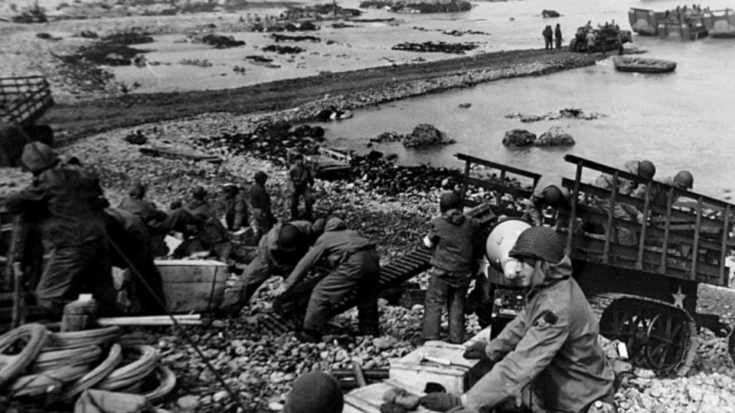
In May 1943, United States Army troops landed on the island in a hard fought assault. After weeks of combat, they regained control and established a permanent military presence. The fighting also followed earlier suffering by the indigenous Saskinax̂ people, who were imprisoned during the occupation, adding another layer to the island’s wartime story.
Technology and Ongoing Study
The 2024 expedition brought together archaeologists, engineers, and hydrographers who used sonar, acoustic imaging, and a remotely operated vehicle to map the seabed. Alongside the two Japanese ships, the team also documented the wreck of the SS Dellwood, an American cable layer lost after striking a submerged rock and later destroyed as a hazard.
Researchers also recorded anchors, chains, mooring blocks, sunken buoys, and materials linked to wartime base construction, including anti submarine netting. Funded by programs from NOAA and the National Park Service, the project marks a renewed effort to better understand Alaska’s wartime past and preserve these sites with care. Further surveys are expected in coming years.






