Why Did the US Navy Hold a Funeral for a Kamikaze?
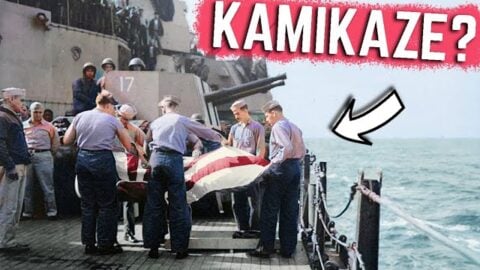
YouTube / TJ3 History
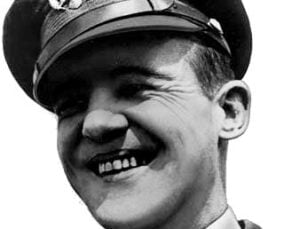
In the final, brutal months of World War II, amid the chaos of the Battle of Okinawa, a single act of humanity emerged from the smoke of war. This is the story of Setsuo Ishino- the young Japanese Zero pilot who crashed his aircraft into the battleship USS Missouri in a desperate kamikaze attack.
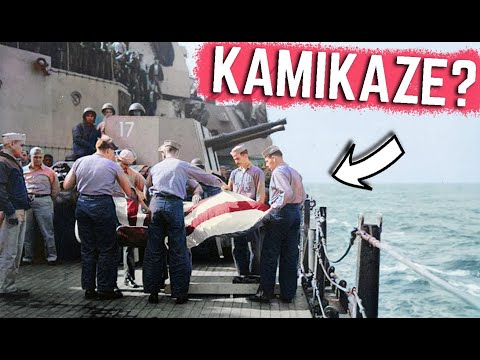
What followed was something no one expected: the United States Navy, still locked in fierce combat with Japan, chose to honor Ishino with a full military funeral on the deck of the very ship he had struck. This remarkable moment, born in the heart of war, revealed a rare glimpse of dignity, respect, and shared humanity between enemies.
A Kamikaze Hits the USS Missouri
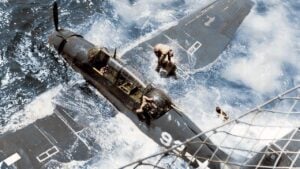
On April 11, 1945, during the Battle of Okinawa, a Japanese Zero kamikaze crashed into the battleship USS Missouri. The pilot was Setsuo Ishino. His attack did not seriously damage the ship, but his body landed on the deck after the crash. The crew expected anger and revenge. Instead, something surprising happened.
The ship’s commander, Captain William Callaghan, ordered that Ishino’s body be given a proper burial at sea. He believed that even an enemy who had attacked them deserved respect in death. His decision shocked many sailors, but it also prompted them to reflect on the values they were fighting for.
A Respectful Ceremony
The crew prepared Ishino’s remains with care. They cleaned his body, wrapped it in a Japanese flag made from a canvas cover, and placed it on a stretcher. Marines served as the honor guard. A chaplain read prayers as sailors stood at attention.
Then, in a ceremony nearly identical to that of an American sailor, Ishino’s body was slid into the sea.
Even those initially angered by the idea reported later that the solemn moment felt right- that it reminded them of the humanity that still existed beneath the violence of war.
Even those initially angered by the idea reported later that the solemn moment felt right- that it reminded them of the humanity that still existed beneath the violence of war.
Why Show Respect to an Enemy?
The funeral was not meant to show sympathy for Ishino’s mission, but to uphold the principles the Navy believed in. Respect for the dead had always been an important naval tradition, and Captain Callaghan felt it should continue even in the face of brutal kamikaze attacks.
Treating the enemy with dignity also helped maintain morale and discipline among the crew, reminding them that their own lives and deaths, would be honored in the same way. Finally, the ceremony showed a quiet kind of strength: a refusal to let hatred or anger rule their actions. By honoring Ishino, the Missouri’s crew proved that humanity and integrity could survive even in the harshest moments of war.
The burial of Setsuo Ishino did not change the war, but it left a strong impression on everyone who saw it. It was a rare moment of humanity in the middle of terrible violence.
The Lasting Message
Today, the story of the kamikaze pilot’s funeral aboard the USS Missouri is remembered as an example of compassion amidst destruction. It shows that even in the fiercest battles, honor can survive and that respect for life and death transcends the boundaries of enemy and ally.
So why did the US Navy hold a funeral for a kamikaze? Because they chose to act with honor, even when the world around them was full of hatred and destruction.