Watch a Badass 100-Year-Old B-17 Veteran Recount His Harrowing Combat Flights

Ward Carroll / YouTube
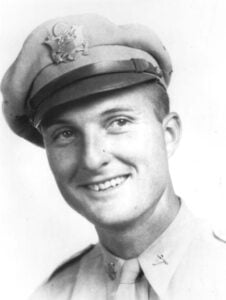
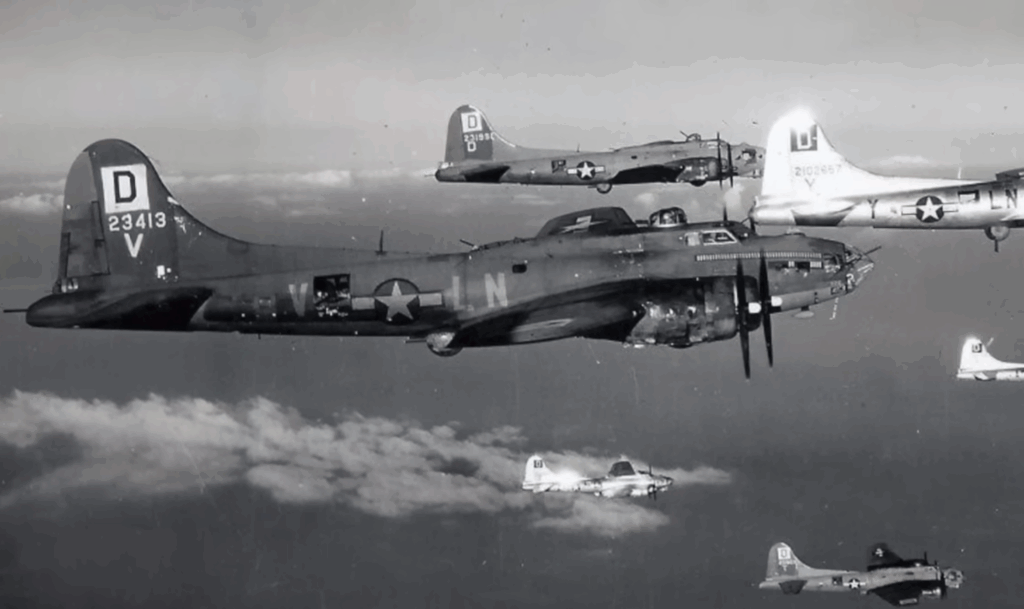
Flying a B-17 bomber over Europe in World War II was one of the most dangerous assignments in the U.S. Army Air Corps. Crews faced relentless enemy fire, freezing temperatures at high altitudes, and the constant threat of mechanical failure. Many young men never completed their tour of duty, and survival often felt like a matter of luck as much as skill. One pilot who beat the odds is Major John “Lucky” Luckadoo, who recently shared his experiences at the age of 100, providing a rare window into the lives of bomber crews and the challenges they endured.
Tour of Duty and Survival Odds
In 1943, the Army Air Corps required bomber crews in the 8th Air Force to complete a 25-mission tour, believing this marked the end of their service. The reality, however, was far harsher. Statistical records show that less than one in four crews completed their full tour. Many airmen were lost during the first few missions, and the average crew member could expect to complete only eight to twelve missions before being shot down, injured, or incapacitated. Luckadoo, flying missions over German-occupied Europe, managed to finish all 25 missions, defying the grim expectations faced by his peers. His story, captured in Kevin Maurer’s book Damn Lucky, offers a detailed and personal perspective on air combat, showing the resilience, skill, and teamwork required to survive.
Luckadoo began his training on primary trainers like the PT-17, then advanced to the BT-13 for more complex flight instruction. He eventually attended multi-engine flight school in Valdosta, Georgia, mastering the Beechcraft AT-10 and graduating at the top of his class. Out of forty graduates, only a few, including Luckadoo, were assigned to a heavy bomber group in Kearney, Nebraska, preparing to operate B-17 Flying Fortresses overseas. These early experiences introduced him to the technical skills and discipline required to manage a crew and operate a four-engine bomber under combat conditions.
Deployment and Early Challenges
Luckadoo recalled waiting in Gander, Newfoundland, as deployment orders were finalized. He noted the challenge of assuming first-pilot responsibilities without formal preparation while replacement co-pilots were still being trained. This gap in training added immense pressure, as inexperienced officers were expected to navigate and lead crews in highly dangerous air missions. Beyond flying skills, survival depended on trust between crewmembers, clear communication, and the quick execution of emergency procedures. His accounts highlight not only the courage of the airmen but also the dedication of ground crews, mechanics, and support staff who ensured that B-17s were ready for each mission.
Through Luckadoo’s recollections, modern readers and historians gain insight into the physical and mental demands placed on bomber crews. Operating in hostile skies required continuous vigilance, careful planning, and the ability to adapt in life-or-death situations. These firsthand stories provide a human dimension to World War II history, showing how ordinary men faced extraordinary dangers and how teamwork and skill allowed some to survive where many others did not.
Keep going for the video below: