Every American Aircraft Lost in 39 Days of War With Iran
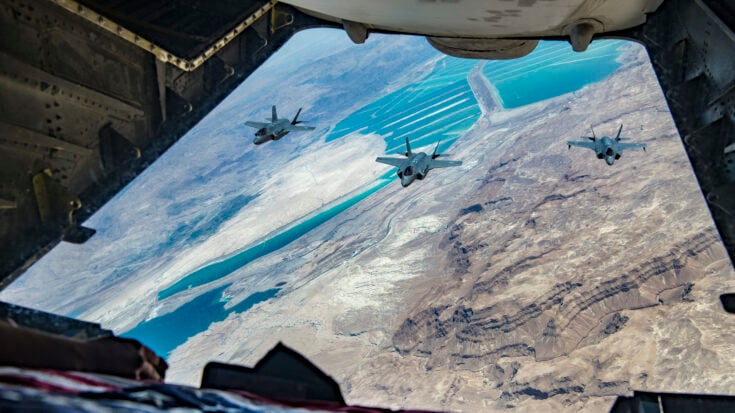
After 39 days and more than 13,000 combat sorties, Operation Epic Fury has ended with 39 American aircraft destroyed and at least 10 more damaged to varying degrees. The actual number is likely higher as the figures only reflect losses confirmed through open sources.
The Drone Fleet Took the Hardest Hit
Unmanned aircraft absorbed more than 60 percent of total American attrition during the campaign. Up to 24 MQ-9 Reaper drones were destroyed across the operation. The Reaper losses came from multiple causes including Iranian air defense engagement, Iranian missile and drone strikes on bases where the aircraft were parked on the ground, and operational accidents.
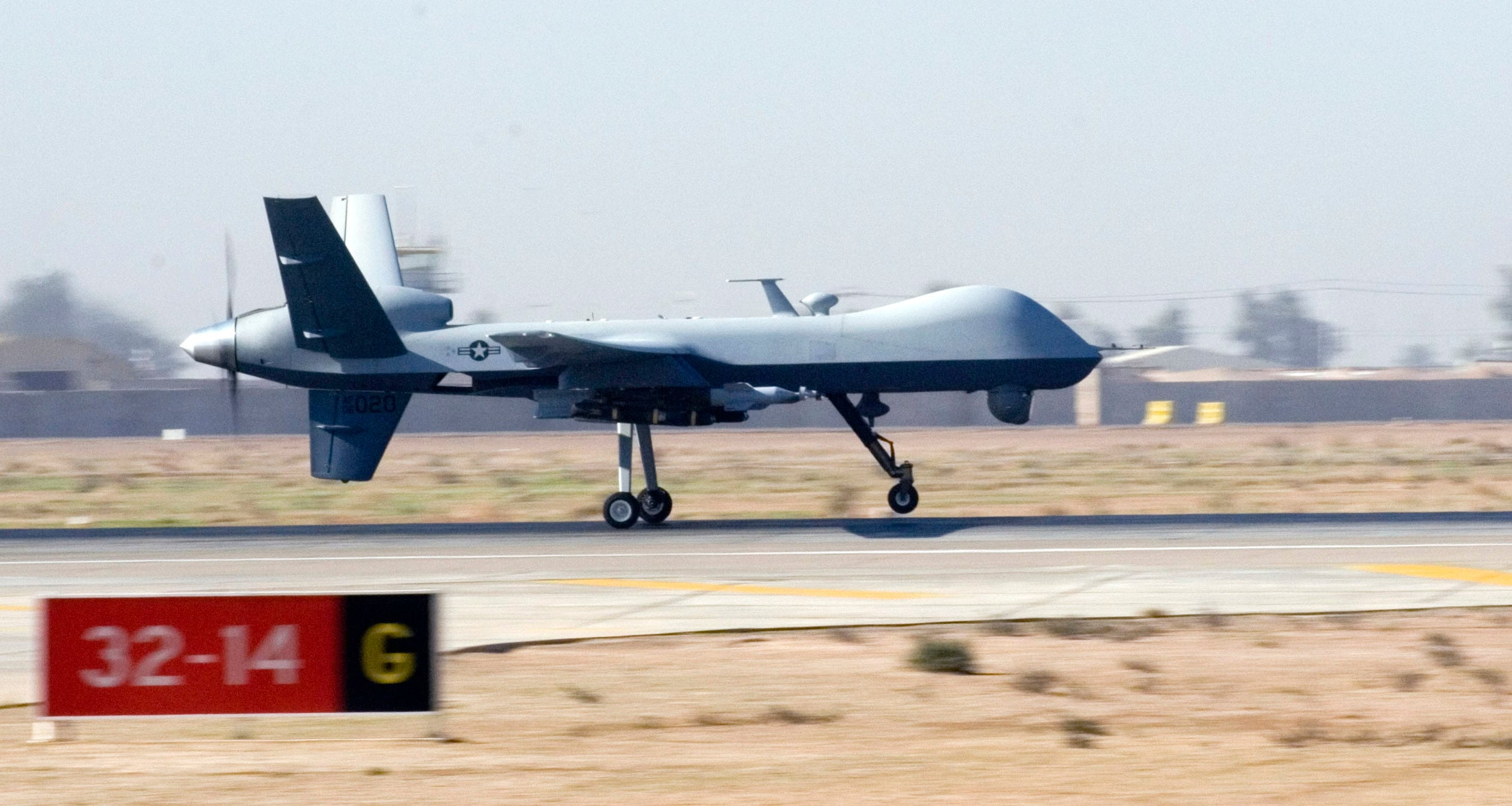
The Reaper was specifically designed as an attritable asset intended for higher-risk environments than manned aircraft. At roughly $30 million per airframe the Reaper is not cheap, but its losses came with no crew casualties and represented a calculated exchange for the persistent surveillance and strike capability the platform provided throughout the campaign.
Manned Aircraft Lost
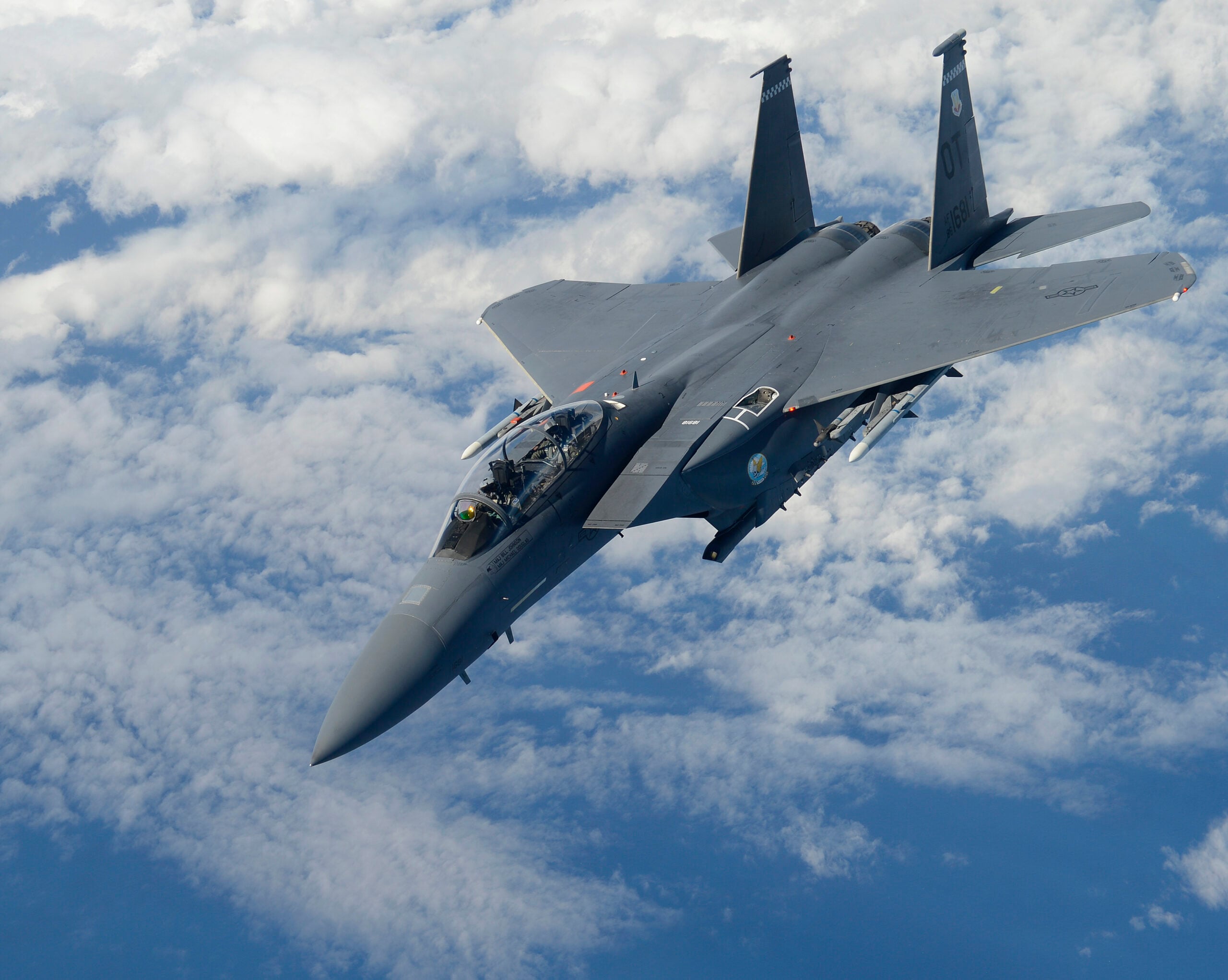
Five manned fighter aircraft were shot down during flight operations. Four were F-15E Strike Eagles and one was an A-10 Warthog. Three of the four F-15Es were lost to friendly fire on March 2 when Kuwaiti air defenses engaged them over Kuwait. All six crew members ejected and were recovered safely. The circumstances surrounding the fourth F-15E loss and the A-10 shootdown have not been fully detailed in open sources.
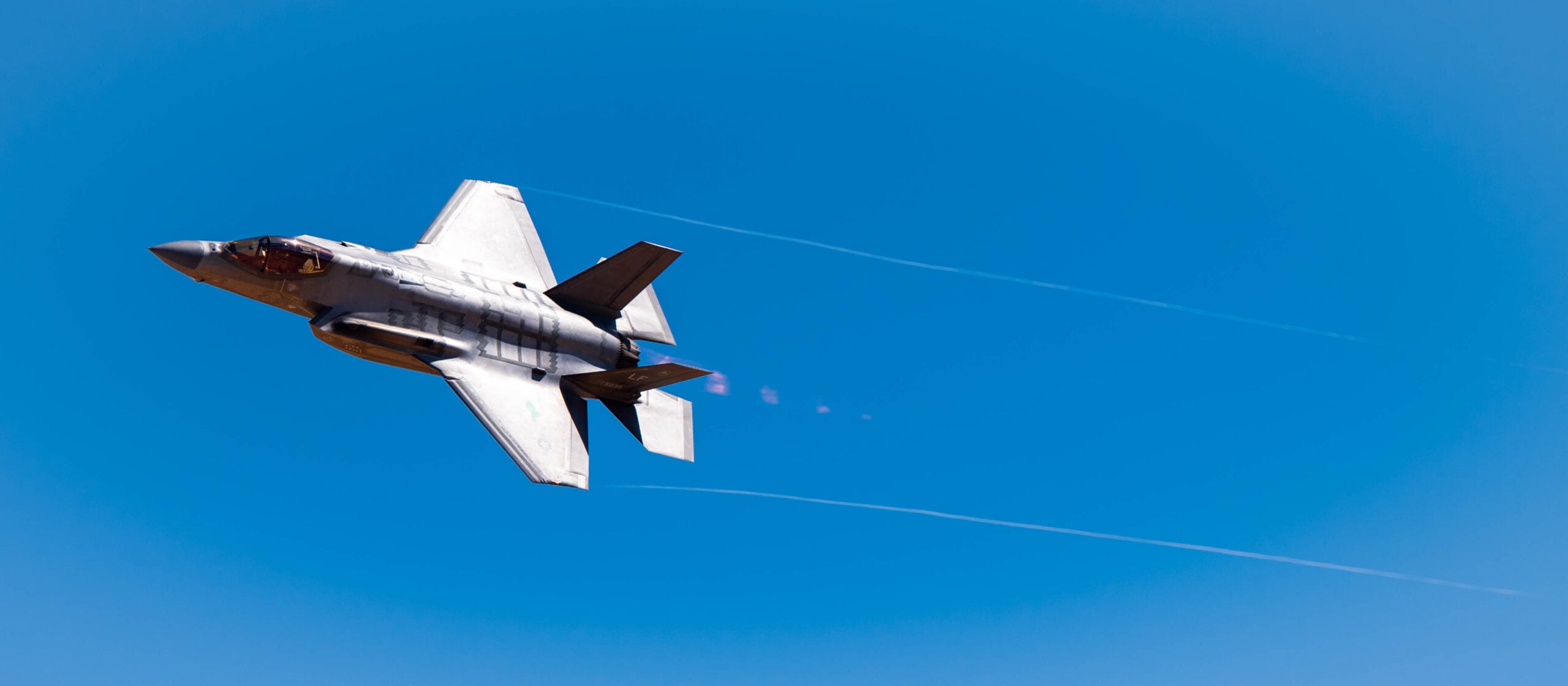
An F-35A was struck by Iranian fire over Iranian airspace on March 19, marking the first known combat damage sustained by a fifth-generation fighter aircraft in history. The pilot made an emergency landing safely. The F-35 survived the engagement but the incident confirmed that Iran had developed passive infrared targeting capable of engaging stealth aircraft.
Losses on the Ground
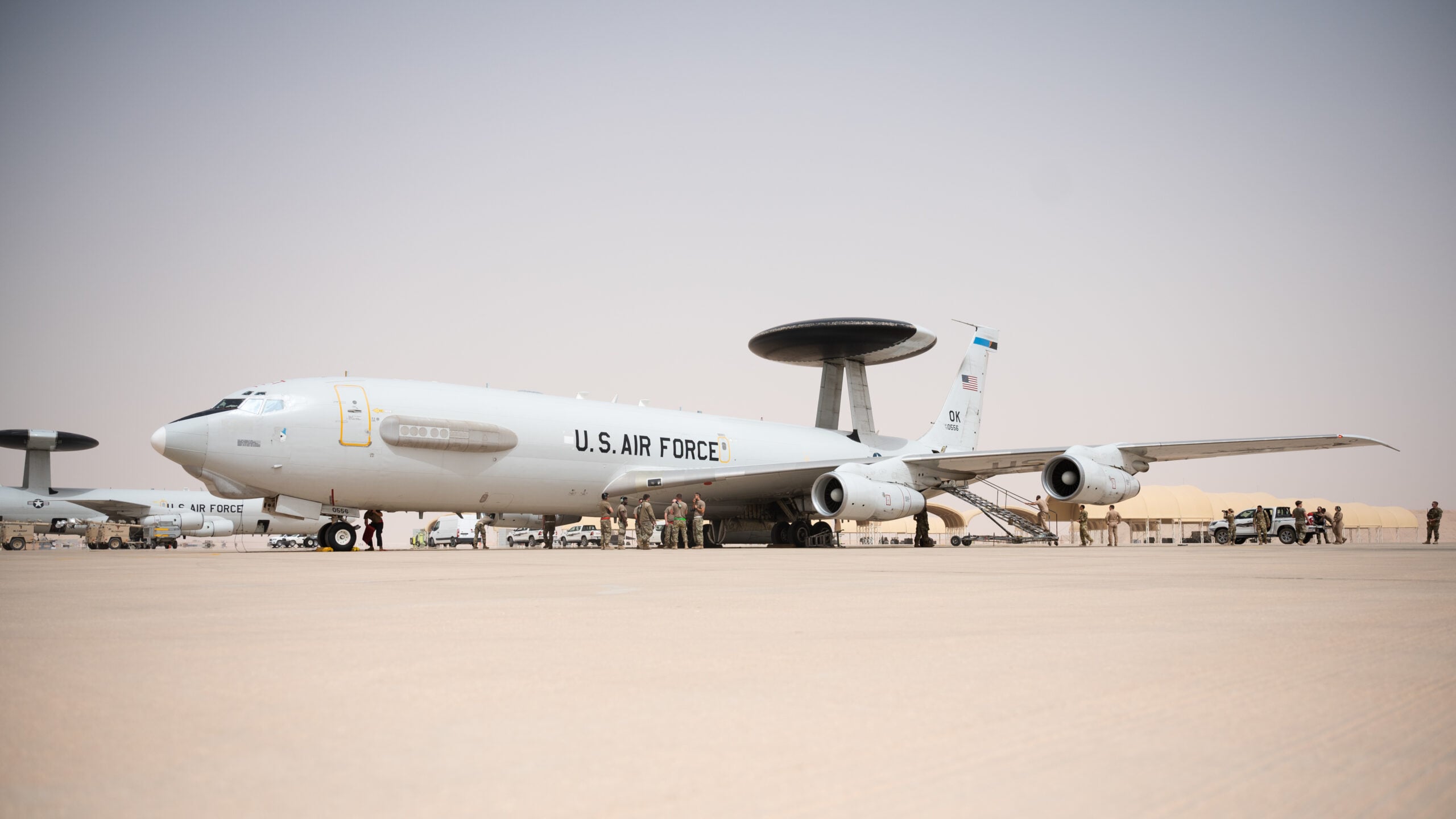
Several significant aircraft were destroyed or damaged while parked at bases across the region. The most consequential single loss of the campaign was E-3G Sentry serial 81-0005, totally destroyed at Prince Sultan Air Base in Saudi Arabia during the March 27 Iranian strike. The loss of one of the Air Force’s 16 remaining AWACS aircraft created immediate battle management gaps and placed additional strain on a fleet already operating below acceptable readiness levels.
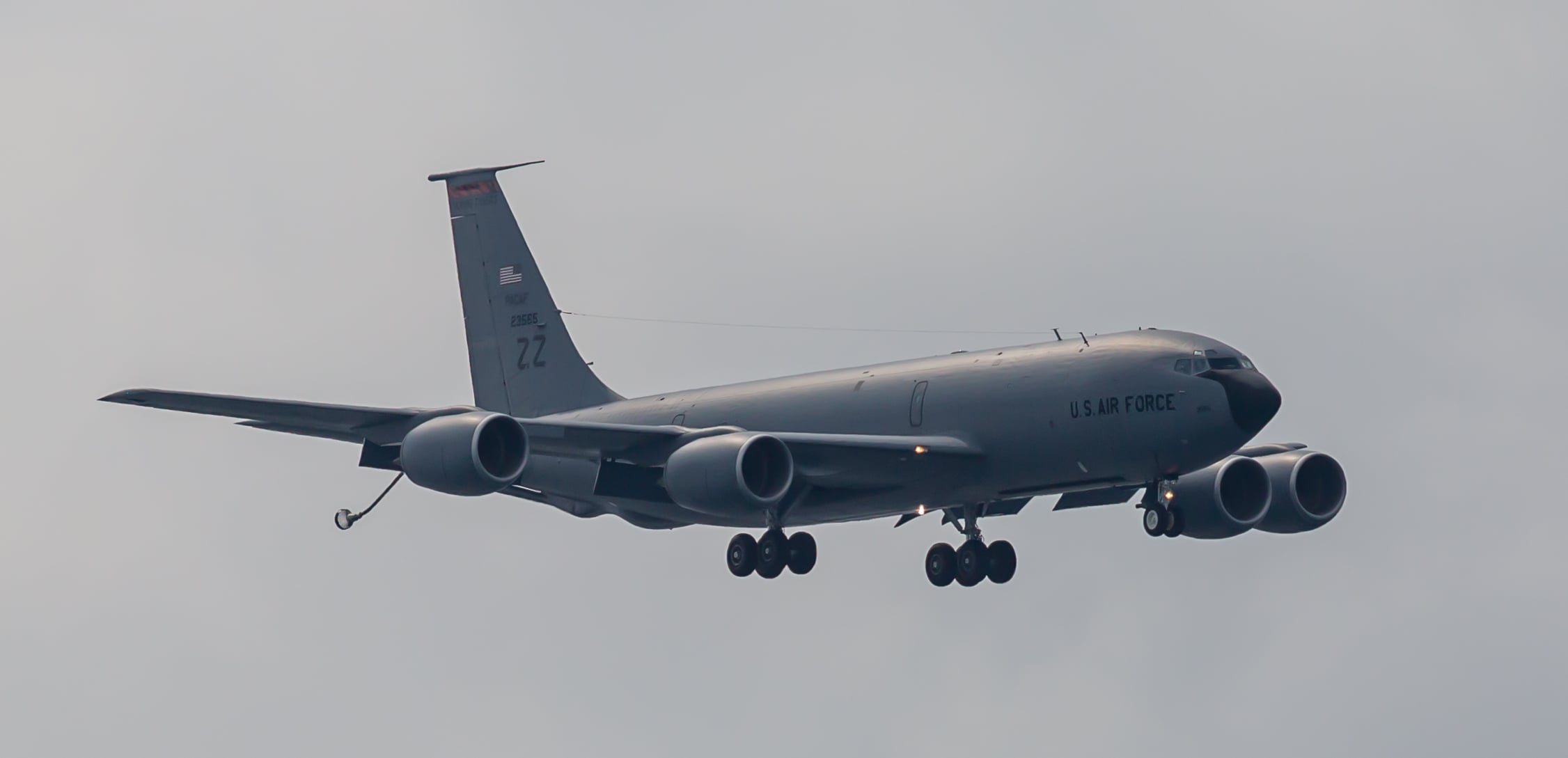
Multiple KC-135 Stratotankers were damaged at Prince Sultan across two separate Iranian attacks during March. At least one KC-135 was destroyed in a mid-air collision during a refueling operation over Iraq on March 12, killing all six crew members aboard. Unconfirmed reports indicate EC-130H Compass Call and KC-46 Pegasus aircraft may also have been damaged during Iranian strikes on the same base.
Some losses resulted from deliberate destruction. During at least one combat search and rescue mission in Iranian territory, American assets were intentionally destroyed to prevent capture.
The Pattern Behind the Numbers
Approximately 20 percent of total attrition came from friendly fire incidents or deliberate destruction rather than Iranian action. Iran’s most effective strikes against manned aircraft came not from radar-guided systems but from passive infrared weapons that produced no warning for pilots until the missile was already in flight.
Iran consistently targeted high-value enablers rather than frontline combat aircraft throughout the campaign. Tankers, AWACS, radar installations, and communications infrastructure were the priority targets. Losing an E-3 or a KC-135 on the ground produces cascading effects on the entire force that shooting down a fighter cannot replicate.