Lost for 67 Years WWII German Bf 109 Fighter Discovered and Pulled from Norway

War Wrecks / YouTube
The mountains of northern Norway have a way of keeping secrets. Snow, ice, and time hide what falls there, often forever. In 2010, however, one secret surfaced during the summer melt. What emerged was not scattered wreckage, but a nearly complete German Messerschmitt Bf 109 fighter, preserved by cold for more than six decades.
The recovery began after a local reindeer herder noticed painted metal sticking out of a snowbank at about 3,000 feet. At first, this seemed unremarkable. Norway had been occupied by German forces from 1940 to 1945, and the region was heavily used for air operations against Allied convoys. Yet this find stood apart from common debris.
A Call From the Mountains
The coordinates reached a small team late in 2009, but winter had already returned. They were forced to wait months, knowing that weather, corrosion, and human interference could erase what remained. When the team arrived in June 2010, they included aviation archaeologists, a historian, and local guides familiar with the terrain.
For several days, the search revealed nothing. Deep snow still covered the slopes, even in summer. Ground-penetrating radar scanned beneath the surface, finding only silence. Morale dropped until the fourth day, when a wing section appeared downslope, buried under compacted ice.
Uncovering a Fighter
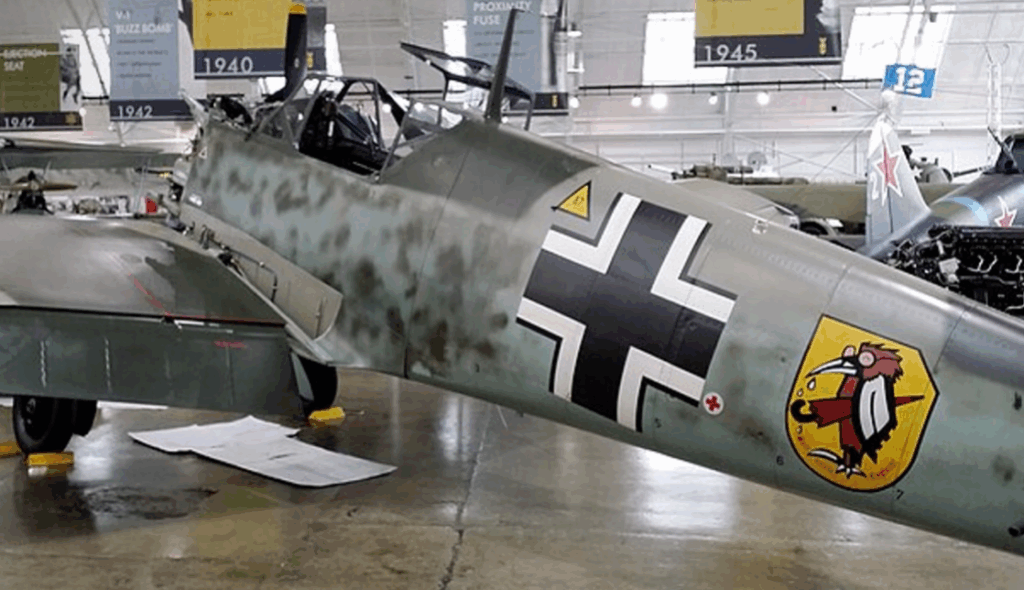
Careful digging exposed a complete wing with faded camouflage still visible. Cannon ports revealed it was not an early Bf 109 but a later version, likely from the Emil or Friedrich series. Continued work uncovered the fuselage, remarkably intact despite the crushed cockpit and bent propeller.
The aircraft’s condition surprised even experienced researchers. The tail remained attached, instruments stayed in place, and the structure looked almost set down rather than smashed. Every step followed strict rules. The site was photographed, measured, and mapped before any removal began.
Evidence in Metal
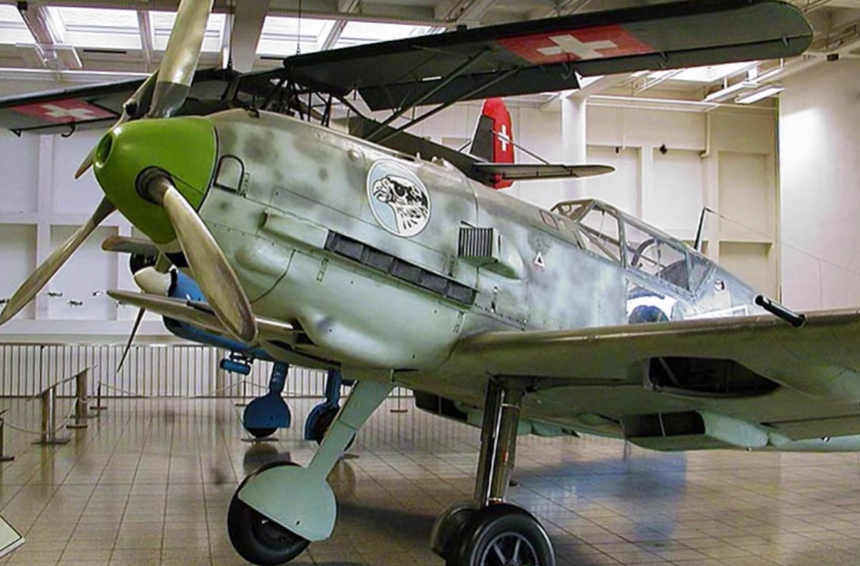
The engine was identified as a Daimler-Benz DB 601, recognized by its inverted V shape and liquid cooling system. In its day, it produced over 1,100 horsepower and allowed the Bf 109 to exceed 350 miles per hour. More important was the discovery of the data plate.
After careful cleaning, stamped numbers emerged. Werknummer 5819 gave the aircraft a clear identity. That evening, records were reviewed. The fighter had been built in early 1940 and assigned to a German fighter wing operating along the Norwegian coast.
A Pilot’s Fate
Documents showed the aircraft was lost on October 23, 1943, during a coastal patrol. The pilot, Oberleutnant Hans Müller, age 26 from Munich, was listed as missing in action. His body was never recovered. The crash site marked the place where his flight ended.
Extraction took over a week. Wings and tail came down first, followed by the heavy fuselage. The engine required special care, moved by hand in stages. Once complete, the team sat quietly, aware they had recovered more than machinery.
Preserving the Story
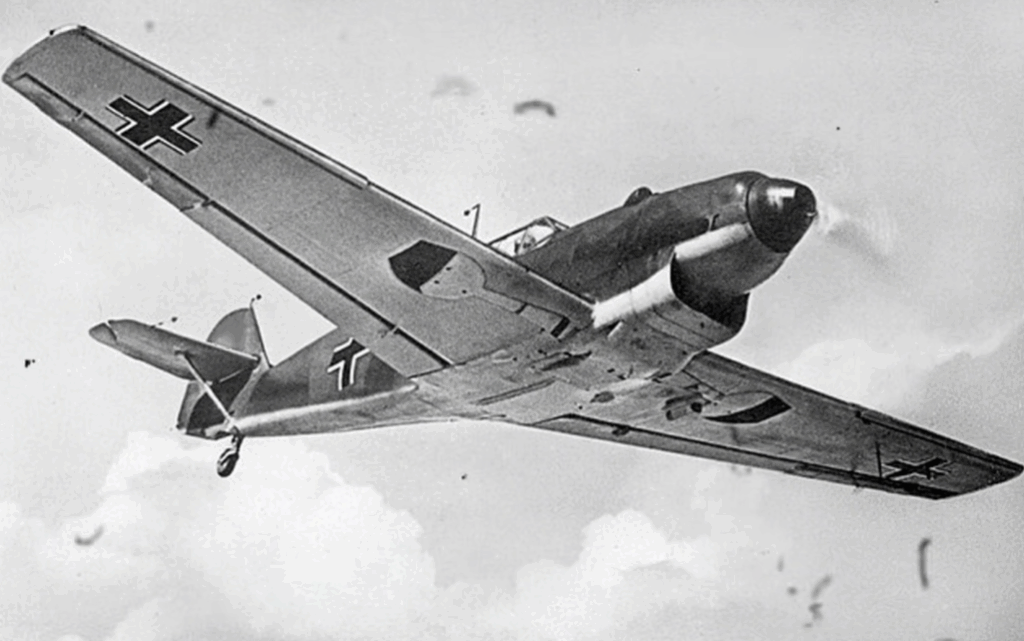
Restoration began later in 2010 at a preservation facility in southern Norway. Analysis showed the engine was running at impact, control surfaces were deflected, and the pilot fought for control until the last moment. The harness remained fastened, and the control stick was pushed forward.
Curators chose not to rebuild the aircraft to a new appearance. Instead, they stabilized and reassembled it as found, keeping damage and wear visible. In 2012, the Bf 109E-4 went on display at the Norwegian Aviation Museum in Bodø, with the pilot’s name placed beside it.