

March 2, 1943: The Air Assault That Doomed Japan’s Lae Reinforcement Convoy
A Convoy Sets Sail Toward New Guinea
In early March 1943, the war in the Southwest Pacific reached a turning point as Allied forces sought to halt Japanese expansion in New Guinea. Control of the island was vital because it protected sea routes to Australia and served as a base for further operations. Japanese commanders planned to reinforce their garrison at Lae, a key coastal stronghold, by sending troops and equipment from Rabaul across the Bismarck Sea. The effort would soon become one of the most decisive air-sea battles of the Pacific war.
On March 2, a convoy of eight transport ships escorted by eight destroyers moved south toward Lae carrying roughly 6,900 soldiers of the Japanese 51st Division. The ships sailed in tight formation, hoping speed and fighter cover would protect them from Allied aircraft. However, Allied codebreakers had already uncovered the plan. Intelligence allowed commanders to prepare a coordinated response using aircraft based in Papua and northeastern Australia.
Allied Planning and New Air Tactics
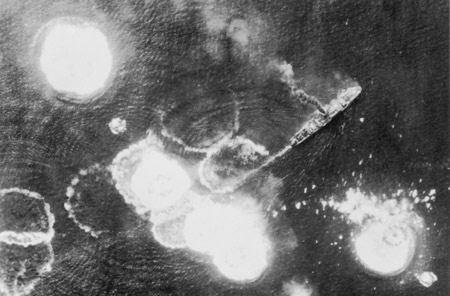
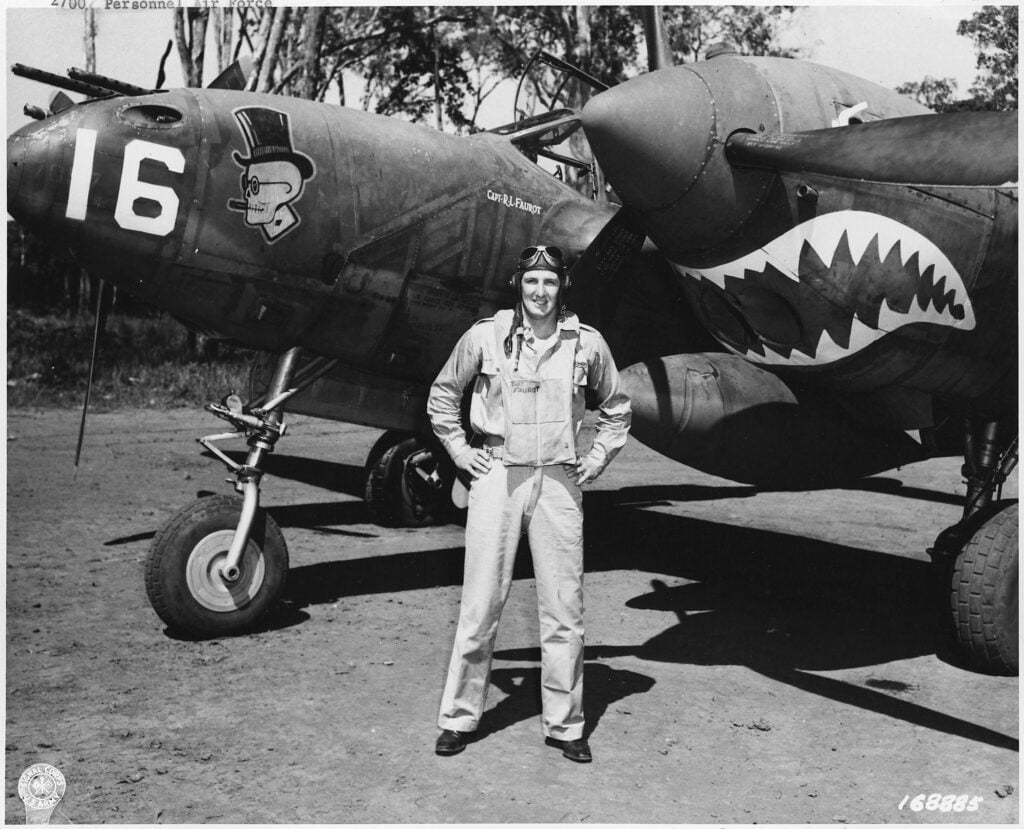
The attack was organized primarily by the U.S. Fifth Air Force under Lieutenant General George C. Kenney, working closely with the Royal Australian Air Force. Rather than relying only on high-altitude bombing, Allied planners developed new methods designed specifically to destroy ships at sea. Crews trained in low-level attacks, including skip bombing, where bombs were released just above the water so they would bounce into a ship’s hull before exploding.
Weather initially slowed operations, but Allied reconnaissance aircraft maintained contact with the convoy. On March 2, American B-17 Flying Fortresses began the first strikes from high altitude. Though damage was limited, the attacks forced the convoy to maneuver and disrupted its formation. These early strikes also confirmed the convoy’s exact position, allowing more aircraft to be directed toward the target the following day.
The Main Assault Begins
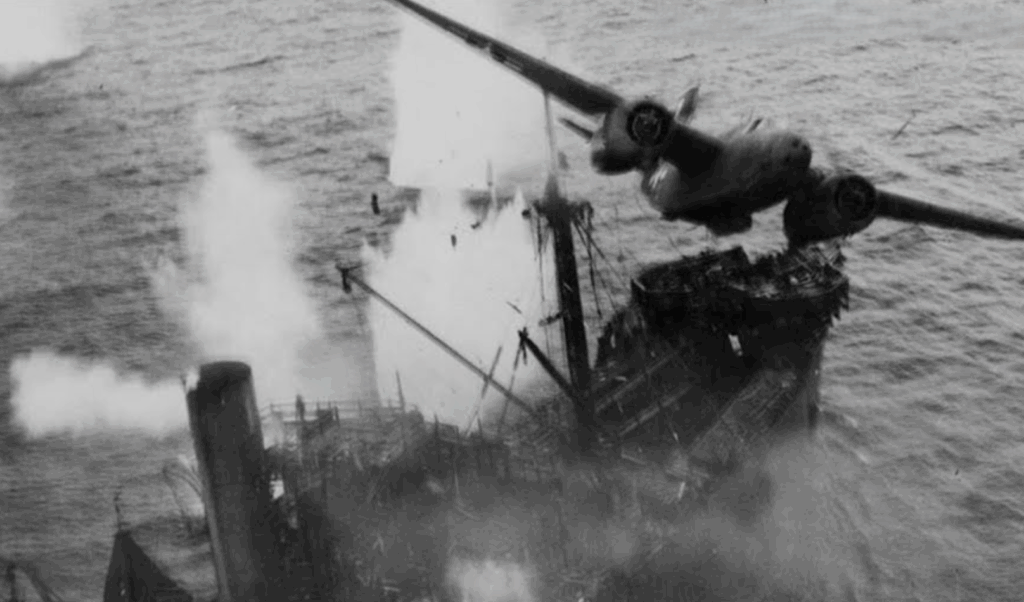
On March 3, Allied aircraft launched repeated waves of attacks. Medium bombers, fighters, and Australian Beaufighters approached at low altitude, surprising escorting ships that were prepared mainly for threats from above. The Beaufighters strafed decks with cannon fire, suppressing anti-aircraft defenses and causing confusion among crews. Moments later, American B-25 Mitchell bombers carried out skip-bombing runs at close range.
The results were devastating. Several transports were hit within minutes, erupting in flames or stopping dead in the water. Destroyers attempted rescue operations while maneuvering under constant attack. Allied fighters circled overhead, preventing effective air defense and driving away Japanese aircraft attempting to intervene. By the end of the day, most of the convoy had been destroyed or fatally damaged.
Fighting Continues Over the Bismarck Sea
Air attacks continued into March 4 as Allied aircraft hunted surviving ships and rescue vessels. Pilots targeted drifting transports and damaged destroyers while also striking lifeboats and supply debris, aiming to prevent surviving troops from reaching Lae. The sea became scattered with wreckage, smoke, and oil slicks stretching across wide areas.
Allied losses were light compared to the scale of destruction inflicted. In total, all eight transports and four destroyers were sunk, while the remaining escorts suffered heavy damage. Thousands of Japanese soldiers were killed, and many of those who survived the sinking faced days in open water before rescue. The reinforcement mission failed completely, leaving Lae isolated at a critical stage of the campaign.
A Turning Point in Air-Sea Warfare
The Battle of the Bismarck Sea demonstrated how air power could decisively defeat a naval force without a traditional surface engagement. Coordinated attacks, accurate intelligence, and innovative bombing techniques reshaped how commanders viewed maritime warfare. The success confirmed that well-trained air units could deny enemy movement across contested waters.
For Allied forces in the Pacific, the victory eased pressure on New Guinea and strengthened confidence in joint American and Australian operations. Japanese planners became increasingly cautious about moving large convoys within range of Allied aircraft, altering supply strategies throughout the region. The events beginning on March 2, 1943, marked a moment when control of the skies directly determined the outcome at sea.





_-_NARA_-_292571.jpg)