The US Air Force Is Pulling KC-135s Out of Storage. Here Is Why That Matters
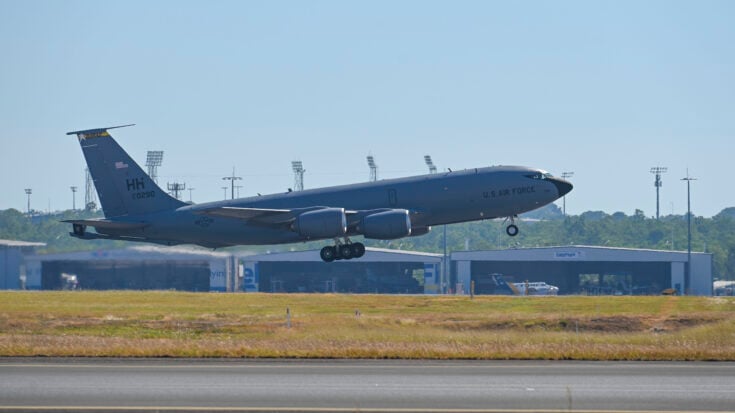
The US Air Force has pulled at least one mothballed KC-135 Stratotanker out of long-term storage at Davis-Monthan Air Force Base in Arizona, in what appears to be an effort to offset tanker losses sustained during the air campaign over Iran.
Flight tracking data shows two KC-135s, registered 58-0018 and 58-0011, flew from Davis-Monthan to Tinker Air Force Base in Oklahoma, home of the Oklahoma City Air Logistics Complex, the facility most likely to carry out the work of returning aging airframes to operational condition. One of the two aircraft was already in active service. The other, 58-0011, had been in storage since last year. The Air Force has not officially confirmed a reactivation is underway.
BREAKING: Good news for Stratotanker lovers. Following the loss of multiple KC-135Rs to surface-to-air and ballistic missiles of the IRGC in Iraq and Saudi Arabia, the U.S. Air Force is reactivating a number of retired and stored KC-135Rs from the 309th AMARG at Davis-Monthan Air… pic.twitter.com/WQuodAFVAm
— Babak Taghvaee – The Crisis Watch (@BabakTaghvaee1) April 3, 2026
The move comes after a series of tanker losses in the Iran conflict. One KC-135 was destroyed with the loss of its crew following a mid-air collision. A second aircraft involved in the same incident sustained damage to its tail. Additional KC-135s are reported to have been damaged or destroyed on the ground.
The Boneyard Option
Davis-Monthan, commonly known as the boneyard, holds nearly 4,000 aircraft in various states of storage, ranging from airframes kept in ready reserve to those stripped down for parts. According to AMARC Experience, approximately 128 KC-135s remain at the facility, though the number still viable for reactivation is unclear.
The Air Force has used this reserve capacity before. In 2024, it pulled a stored B-1B Lancer out of retirement to replace a Lancer lost in 2022. The boneyard gives the US military a degree of resilience that most air forces simply do not have, allowing losses to be absorbed and replaced without waiting for new production.
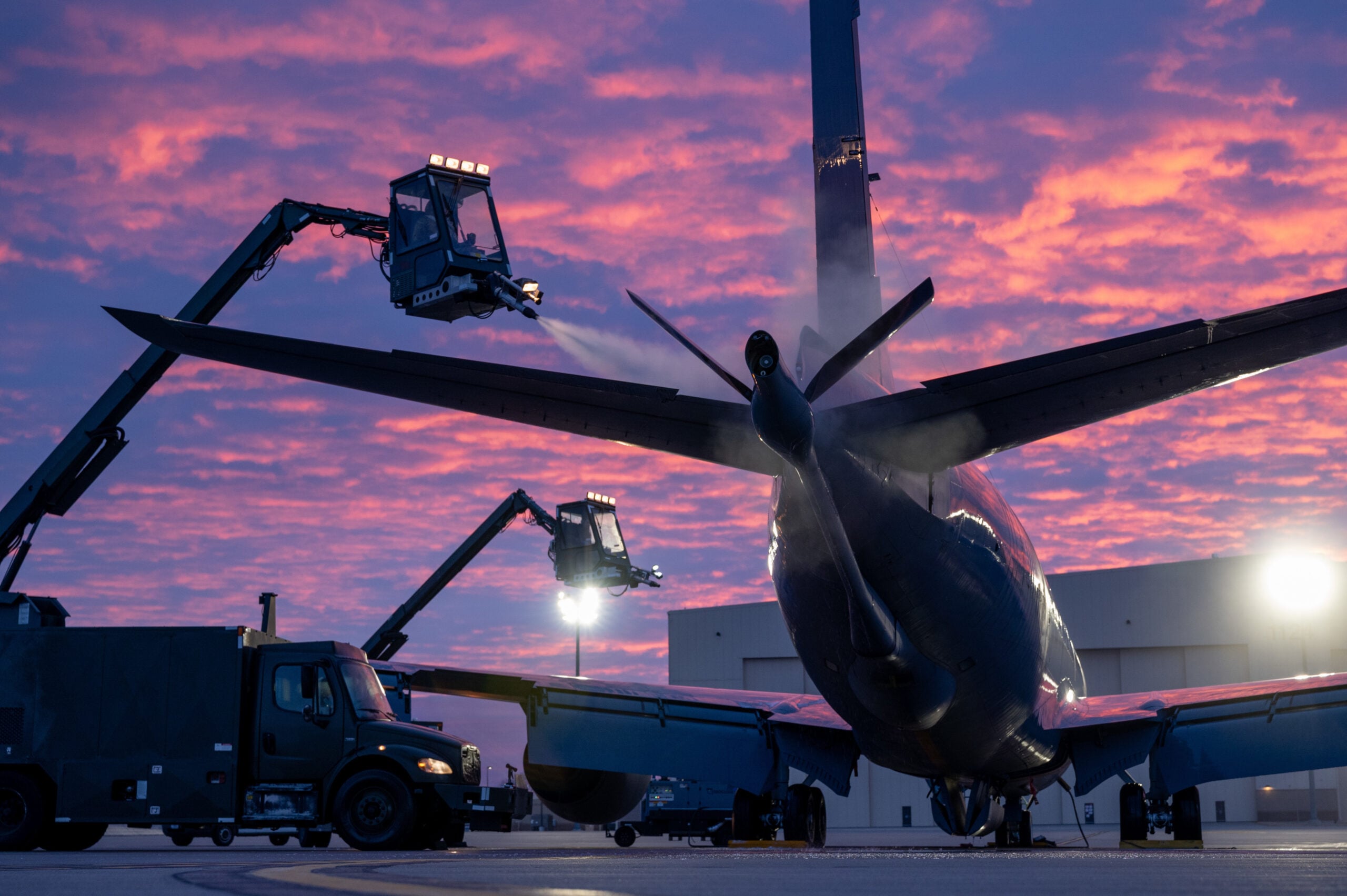
A separate loss has added further pressure on the service. An Iranian attack in Saudi Arabia destroyed a Boeing E-3 Sentry, a rare airborne warning and control aircraft. The Air Force has recently retired several of its aging Sentries, and whether a stored example could be brought back to replace the lost aircraft remains an open question.
A Fleet Under Strain
The Air Force currently operates more than 370 KC-135s alongside roughly 100 of the newer KC-46 Pegasus tankers, which remain in active production. That production line offers a path to replace Stratotanker losses with more modern aircraft, though the KC-46 was never intended to fully substitute for the KC-135 fleet on a one-for-one basis.

Aerial refueling tankers are a cornerstone of American power projection, enabling fighters and bombers to operate at ranges they could not sustain on internal fuel alone. That role also makes them high-value targets.