USS Gerald R. Ford Leaves Croatia and Returns to Iran
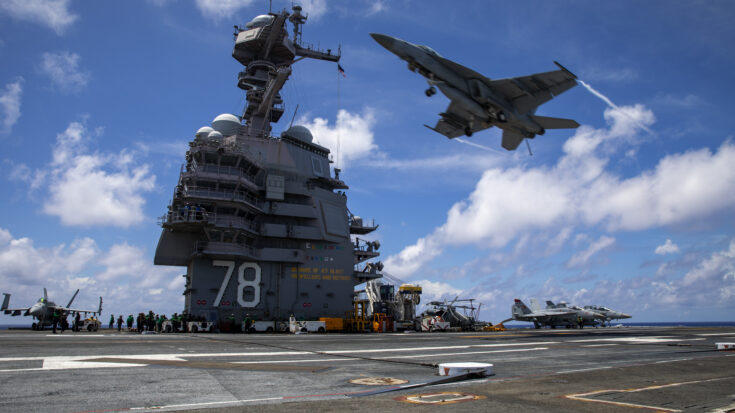
The USS Gerald R. Ford has departed Croatia and is heading back toward an operational area, returning one of the US Navy’s most powerful assets to the region at a critical moment in the ongoing conflict with Iran.
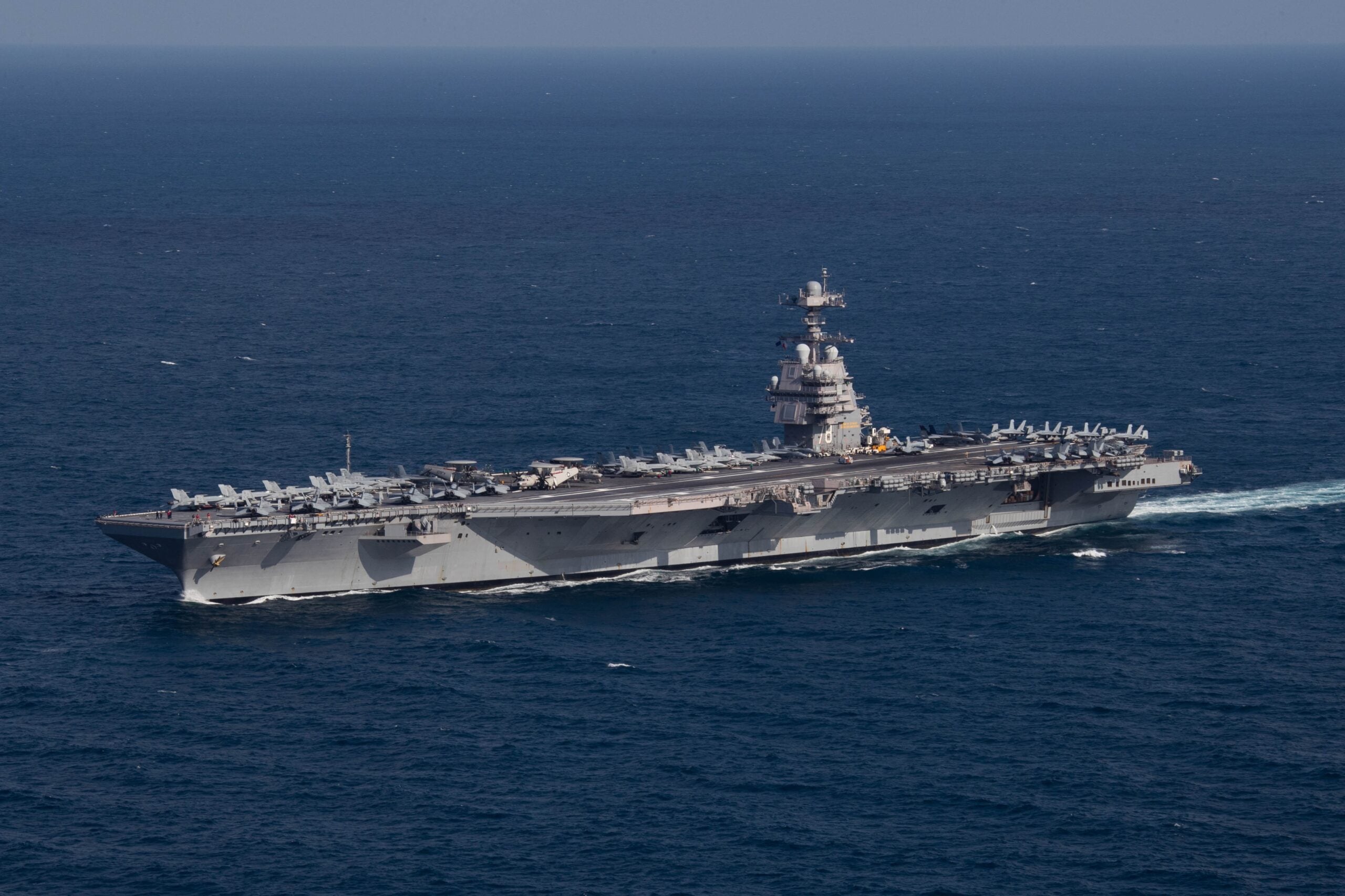
The carrier spent roughly a week in Split, from late March to early April, undergoing repairs following a fire in a laundry and berthing area that injured two personnel. The Navy moved quickly to address the damage, and officials confirmed there was no impact on propulsion or core combat systems. Ford left Croatia not as a vessel still recovering from an incident, but as a fully operational strike platform.
What Ford Brings Back
The carrier’s real significance lies in what it carries. Embarked aboard Ford is Carrier Air Wing 8, a composite force that transforms the ship into a self-contained airbase at sea, one that requires no host nation permission to operate and can be repositioned at will.
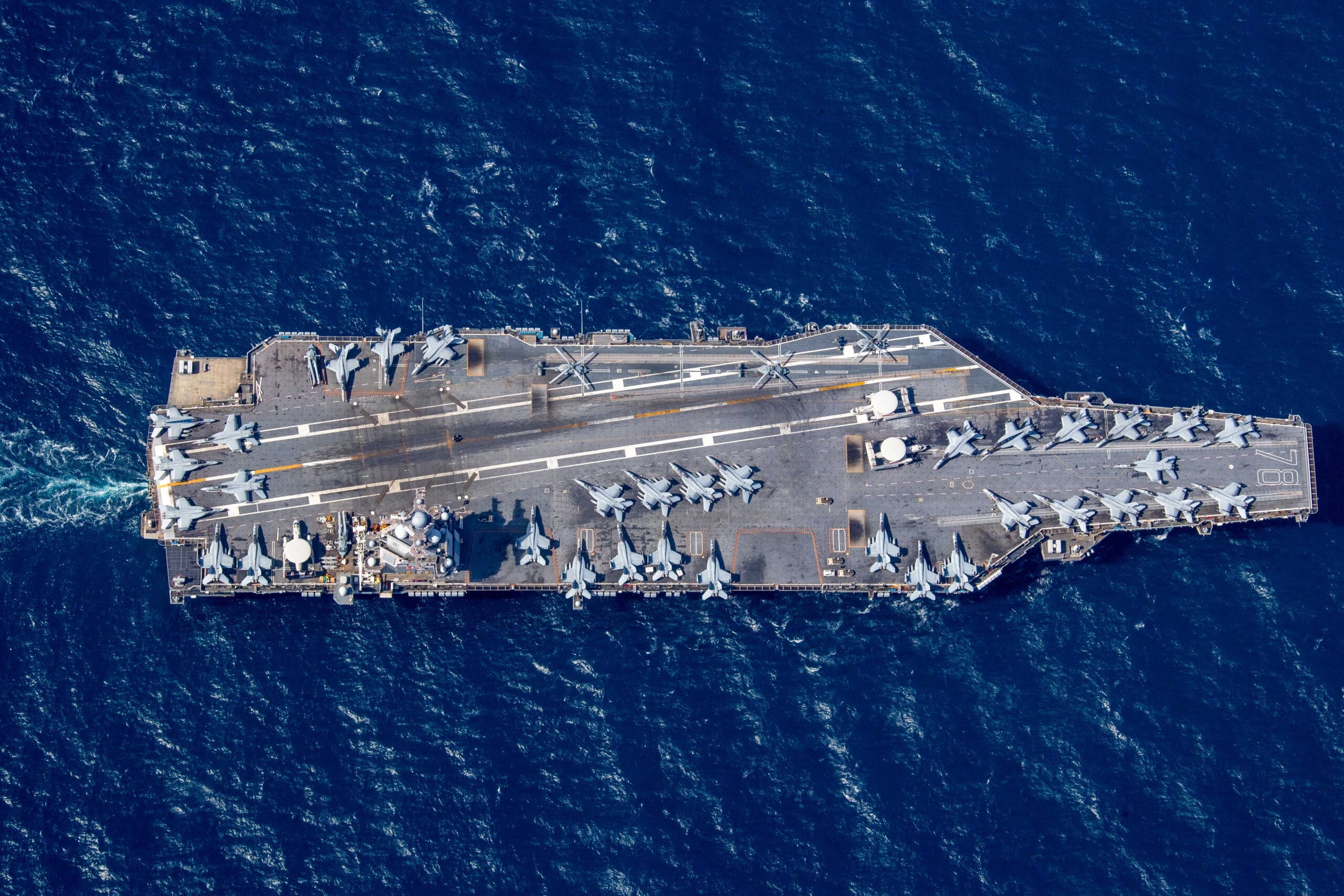
The air wing includes F/A-18E/F Super Hornets for strike and air superiority, EA-18G Growlers for electronic attack and suppression of enemy air defenses, E-2D Hawkeyes for airborne early warning and battle management, and MH-60 helicopters handling anti-submarine warfare, logistics, and search and rescue. Together, they provide a sustained, flexible combat air capability that has become central to US operations in contested environments.
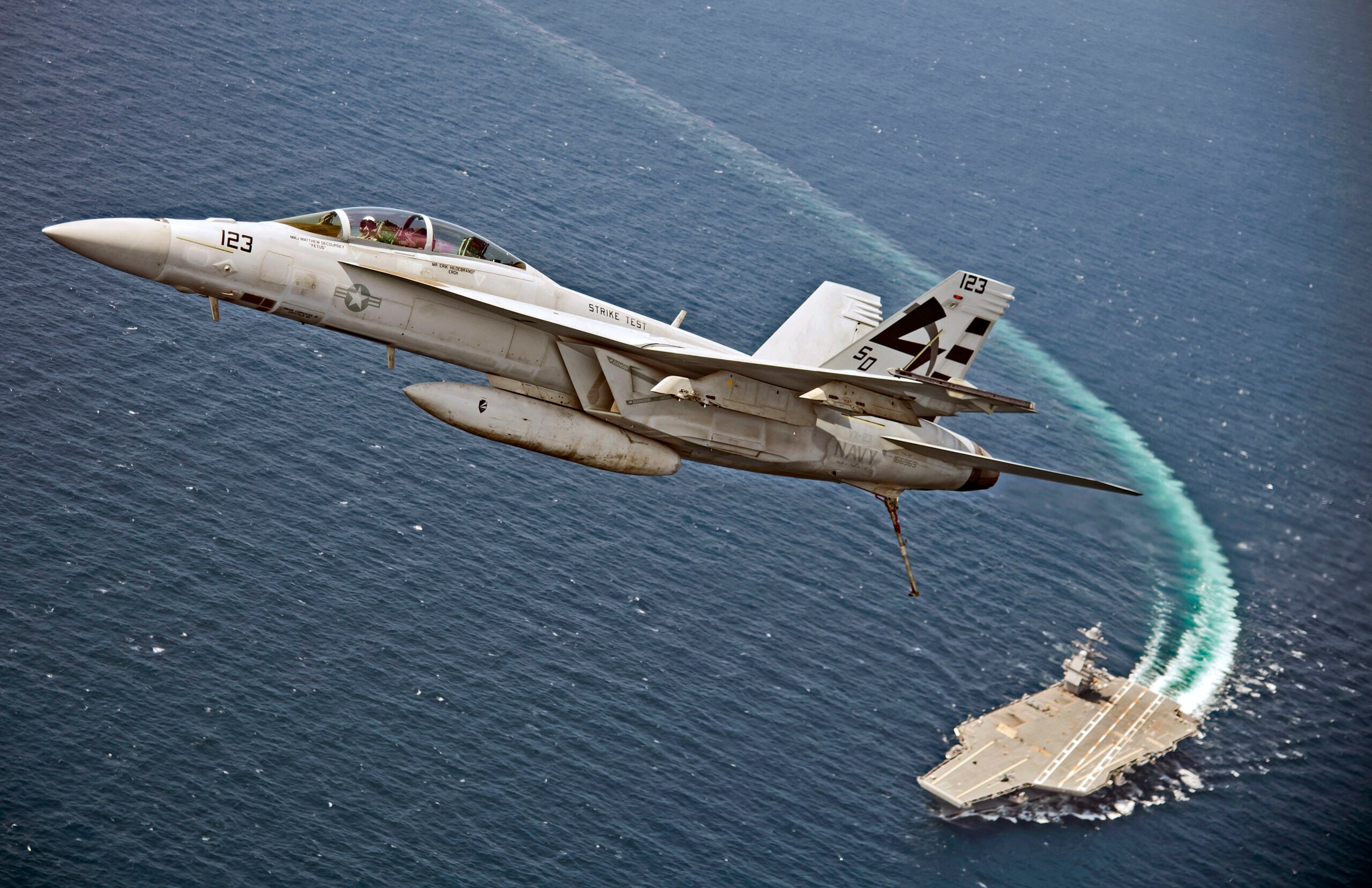
That combination is particularly relevant to the current conflict. Electronic warfare, airborne command and control, and precision strike have all played defining roles in the air campaign over Iran, and Ford’s air wing is built around exactly those capabilities.