The Air Force Still Flying WW2 Planes
YouTube / Mark Felton Productions
A Modern Air Force With a Wartime Flight
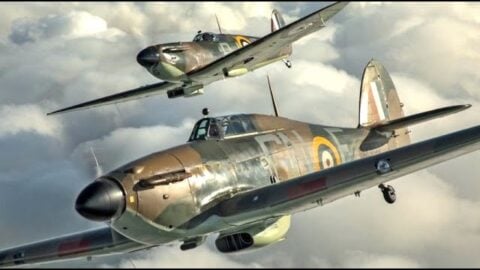
World War II ended more than eight decades ago, yet one of its frontline air forces still operates combat aircraft from that era. The Royal Air Force continues to fly Spitfires, Hurricanes, a Lancaster bomber, and a Dakota as part of the Battle of Britain Memorial Flight. This unit is not a museum collection. It is an active RAF flight, crewed and maintained by serving personnel, and fully integrated into the modern force structure.

Formed in July 1957, the Battle of Britain Memorial Flight is based at RAF Coningsby in Lincolnshire, alongside Typhoon fast jet squadrons. It operates under Number 1 Group and is commanded by a serving squadron leader. Its role is ceremonial and commemorative, supporting state events, memorials, and air displays across the United Kingdom and abroad.
Spitfires Still on Strength
The flight currently operates five Supermarine Spitfires, each with a documented combat or operational history. The oldest, a Mk II flown during the Battle of Britain in 1940, remains airworthy more than eighty years later. Another Mk Vb took part in Atlantic operations against German warships, flew with American volunteer pilots of the Eagle Squadrons, and later covered the Normandy landings on D-Day.

Two PR XIX Spitfires represent the reconnaissance side of the war. Built in 1945, they flew high altitude photographic missions late in the conflict and during the early Cold War. One spent decades as a static display before being restored to flight in the late 1980s. A clipped wing Mk XVI rounds out the Spitfire fleet, returned to the air after originally being acquired as a source of spare parts.

Hurricanes, a Lancaster, and a Dakota
Two Hawker Hurricane Mk IIc fighters also remain in RAF service. Both were built in 1944, with one holding the distinction of being the last Hurricane ever constructed. These aircraft appeared in several major postwar films, helping shape the public memory of the air war.

The flight also operates Avro Lancaster PA474, one of only two airworthy Lancasters in the world. Built in May 1945, it was intended for operations against Japan before the war ended. Today, it serves as the centerpiece of the flight. Supporting it is a Douglas Dakota built in 1942, now used for display flying, parachute drops, and multi engine tailwheel training.

Keeping History Alive in Uniform
To train pilots safely for these demanding aircraft, the RAF also uses two postwar de Havilland Chipmunks. Together, these eleven aircraft represent an unbroken link between the wartime RAF and its modern successor.

Eighty years after the conflict they were built to fight, these aircraft still fly in official RAF markings, operated by serving personnel. It remains one of the clearest examples of a military force preserving its history not behind ropes, but in the air.