On This Day (1995): Ace Louis Edward Curdes—Who Downed German, Italian, Japanese, and Even a U.S. Plane to Save Its Crew—Dies 50 Years After His Most Famous Feat
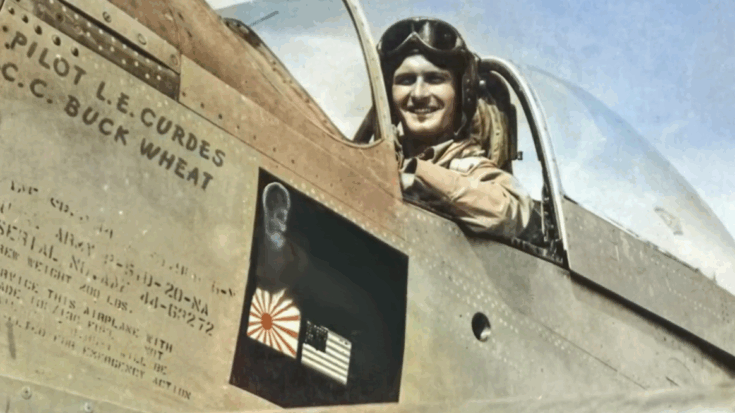
Public domain, via Wikimedia Commons
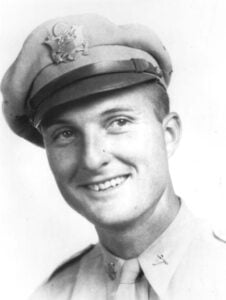
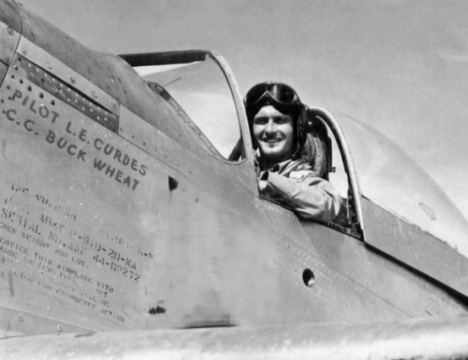
On February 5, 1995, Louis Edward Curdes passed away at age 75, nearly fifty years after one of the most unusual episodes in World War II aviation history. Curdes was a pilot in the United States Army Air Forces who fought in both the European and Pacific theatres of the war. He is remembered for having shot down aircraft from three enemy nations and, in a rare and extraordinary move, disabling one of his own country’s transport planes to save its crew from capture on an enemy‑held island. His life was marked by daring actions in the air and a long career in service.
Early Life and Military Entry
Louis Edward Curdes was born on November 2, 1919, in Fort Wayne, Indiana. From a young age, he was fascinated by flying, and he left college to join the U.S. Army’s aviation branch on December 6, 1941, the day before the attack that pushed the United States firmly into the global conflict. After completing flight training, he earned his pilot’s wings and was assigned to fighter units headed to the Mediterranean, where the war in Europe was in full swing.
Curdes first flew the Lockheed P‑38 Lightning, a fast twin‑engine fighter, with the 95th Fighter Squadron of the 82nd Fighter Group. In the spring of 1943, in the skies over North Africa, he engaged numerous enemy aircraft and quickly made a name for himself. In a single mission he shot down multiple enemy fighters, demonstrating both skill and courage in combat against well‑trained opponents.
Combat Over Europe
As April turned into May 1943, Curdes added to his tally of victories. In a series of aerial battles over the Mediterranean Sea and the Italian coast, he shot down several enemy aircraft, including fighters of German and Italian design. These combat successes earned him the designation of “ace,” a term used for pilots credited with five or more enemy aircraft destroyed in aerial combat.
In late June 1943, he scored the first of his victories over an Italian aircraft, adding to his growing record of air‑to‑air successes. These fights took place over waters and islands that were strategic for both Allied and Axis forces as they battled for control of the Mediterranean. Despite the intense air duels and dangerous missions, Curdes’s performance stood out among his peers.
Capture and Return to Combat
War did not always go in his favor. On August 27, 1943, while defending a fellow pilot during a mission over Italy, Curdes was shot down and forced to land on terrain held by enemy forces. He was taken prisoner and spent time in an Italian camp before escaping. Though captured again, he remained determined and eventually made his way back to Allied lines after months behind enemy lines.
After returning to the United States and recovering from his ordeal, Curdes requested to go back into combat. This time, he was sent to the Pacific, where the war against Japan was entering its final, but fierce, phases. There he switched to flying the North American P‑51 Mustang, a fighter known for its long range and strong performance at altitude.
Pacific Combat and a Friendly Aircraft
In early February 1945, while flying missions from bases in the Philippines, Curdes encountered a Japanese reconnaissance aircraft and shot it down, marking a victory over another nation’s aircraft in the war. This brought his record to include confirmed destructions of German, Italian, and Japanese aircraft, a rare achievement among American pilots.
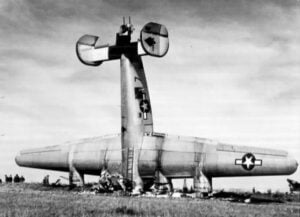
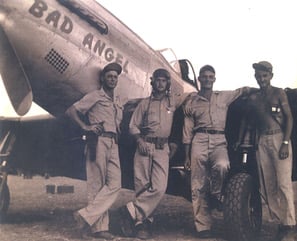
Just days later, on February 10, Curdes faced an unusual situation. While circling over the waters near a small island, he saw a large transport plane heading to land on a strip controlled by enemy forces. Attempts to warn the crew by radio and by flying in front of the plane failed. Fearing the crew would be taken prisoner if the aircraft touched down, Curdes made the difficult choice to fire on the transport’s engines. Disabling both engines forced the pilot to make a controlled landing in the sea nearby.
Rescue and Long‑Lasting Impact
The transport ditched safely, and all aboard climbed into lifeboats. Curdes returned the next day to help guard them until rescue aircraft arrived. Among those aboard the plane were two nurses, one of whom Curdes had dated the night before the incident. They later married in 1946. For his actions that day, he added a symbol representing the downed transport to the markings on his Mustang alongside those of the enemy aircraft he had defeated.
After the war, Curdes continued to serve, including flying transport missions during the Berlin Airlift and helping to organize an Air National Guard unit in his home state. He retired from the United States Air Force with the rank of lieutenant colonel in 1963 and later founded a construction business. Curdes passed away on February 5, 1995, and was buried in his hometown of Fort Wayne.