On This Day in WWII (1944): Eighth Air Force Sends 509 Bombers and 634 Fighters in Massive Raid on French Airfields
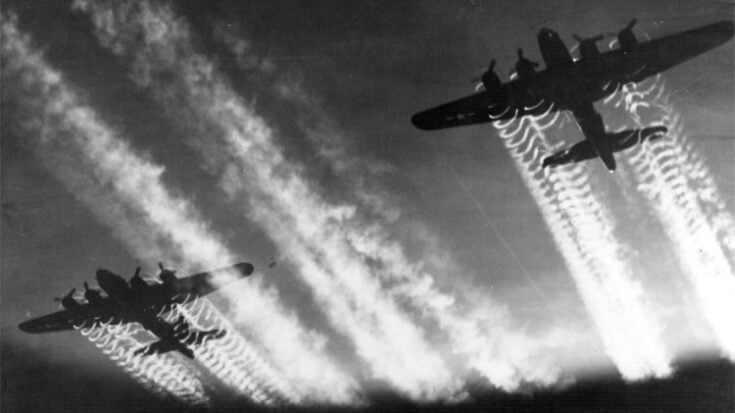
unknown/U.S. Air Force photo, Public domain, via Wikimedia Commons
On February 5, 1944, the United States Eighth Air Force carried out a large daylight raid against airfields in German‑occupied France. A force of 509 heavy bombers escorted by 634 fighters crossed the English Channel to strike at several enemy airfields. This mission was part of a broader Allied air effort to weaken opposition aircraft before the planned invasion of Europe later that year. The raid saw intense aerial combat, and crews on both sides faced the dangers of defending and attacking airspace over western Europe.
Planning the Raid
In early 1944, commanders of the Eighth Air Force sought to increase pressure on enemy air power by striking forward airfields in occupied France. These facilities were critical to German fighter operations because they provided space to house, maintain, and launch aircraft that could threaten Allied bomber formations. Targets included runways, hangars, fuel dumps, and repair facilities at several major airfields. Bombers were briefed to fly at set altitudes to maximize bombing accuracy, while escort fighters were prepared to engage enemy interceptors.
The bomber force was a mix of Boeing B‑17 Flying Fortresses and Consolidated B‑24 Liberators, both four‑engine aircraft capable of carrying heavy bomb loads. The fighters included Republic P‑47 Thunderbolts and North American P‑51 Mustangs, which were tasked with protecting the bombers from enemy fighters during the long flight over enemy territory. Pilots and crews had trained for months in formation flying and long‑range escort tactics to prepare for missions of this scale.
The Raid Begins
On the morning of February 5, the bombers took off from airfields in eastern England and formed up in tight boxes before heading southeast toward France. The fighters joined the formation, circling as needed to ensure all bombers had strong escort coverage throughout the mission. Weather conditions were fair, and visibility over northern France allowed crews to keep course and maintain formation discipline. The large size of the raid required careful coordination between bomber and fighter units as they crossed the Channel.
As the force approached its targets, anti‑aircraft fire from below began to rise toward the bombers. Ground guns at each airfield tried to repel the attack by opening fire as aircraft passed overhead. Bombers held their courses and reached their assigned bombing runs, releasing their loads over runways and hangar areas. Many crews later reported seeing smoke and flames rise where bombs had struck, evidence that missions to disrupt airfield operations were effective in damaging infrastructure and equipment.
Aerial Combat and Losses
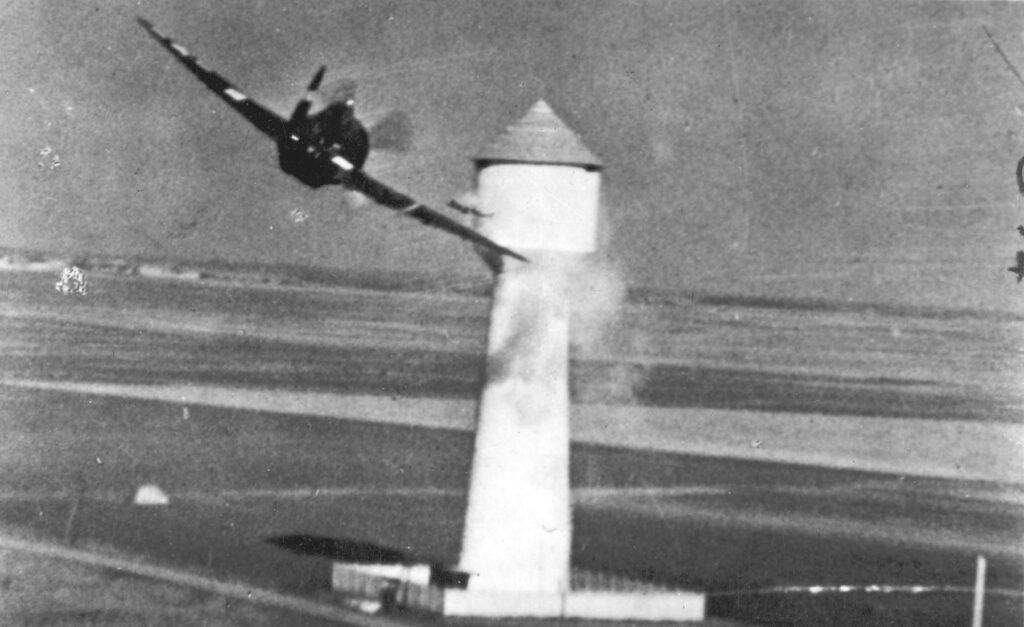
While the bombers were on their runs, enemy fighters scrambled to intercept the formation. Escort fighters from the Eighth Air Force engaged in aerial combat with these interceptors to defend the bomber stream. Over the course of the mission, aircrews on both sides reported intense dogfights in the skies over France. Crews in the bombers and fighters combined claimed 11 enemy aircraft shot down and nine damaged, although these figures were based on reports from pilots and gunners in the heat of battle.
Despite the size of the force and the protective efforts of their escorts, the Eighth Air Force did suffer losses. Two heavy bombers and two escort fighters were lost in the raid, with crews killed or forced to ditch as a result of enemy action or operational hazards during combat. Losses like these were a stark reminder of the risks faced by airmen even when missions were far from front‑line ground combat.
Impact on Airfield Operations
The raid did more than just put aircraft in the air; it pressured the enemy to repair damaged runways and redistribute efforts away from other fronts. Damage to hangars and service facilities forced German units to move aircraft to other fields or delay maintenance, interfering with daily operational capacity. Even when not immediately destroyed, the disruption caused by such raids required manpower and time to address, both of which were in shorter supply as 1944 progressed.
Airfields bombed on this date were part of a network of installations supporting aerial defense over Western Europe. Striking these nodes helped set conditions for future strategic missions and the overall air campaign that would precede D‑Day in June 1944. By targeting airfields, the Eighth Air Force aimed not only to reduce enemy fighters directly but also to limit the reach and effectiveness of those that remained available to defend against Allied bombing raids over Germany.
Continued Allied Efforts
This February operation was one of many that built up Allied air pressure over northern France and the Low Countries in early 1944. It reflected a shift toward attacking forward infrastructure and intercepting enemy aircraft before they could reach bomber streams headed for more distant targets. As the Allied air strategy matured, missions grew in size and complexity, including coordinated attacks involving hundreds of aircraft that struck a combination of airfields, factories, and transportation nodes across occupied Europe. These campaigns would continue through the spring and into the summer before the Allied invasion of Normandy.