

On This Day in 1942: Japanese Fighters Devastate Broome in Deadly Strafing Raid That Destroyed Refugee Aircraft and Killed Dozens
Gilmore Tweat / YouTube
A Remote Town Suddenly at War
On March 3, 1942, the quiet pearling town of Broome in Western Australia became the scene of one of the deadliest air attacks ever carried out on Australian soil. What had once been a small coastal settlement suddenly found itself drawn into the expanding Pacific conflict as aircraft carrying refugees and military personnel crowded its harbor and airfield.
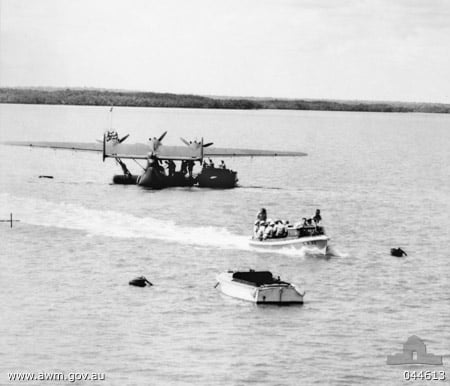
In early 1942, Broome served as a critical stop for evacuation flights fleeing the collapse of Allied defenses in Java. Flying boats and transport aircraft arrived daily, bringing Dutch civilians, wounded soldiers, and aircrews escaping advancing Japanese forces. Many passengers were women and children waiting only hours before continuing south to safety. Aircraft lined Roebuck Bay while others refueled on the airstrip, creating an unusually dense concentration of targets in an otherwise isolated location.
The Surprise Attack Over Roebuck Bay
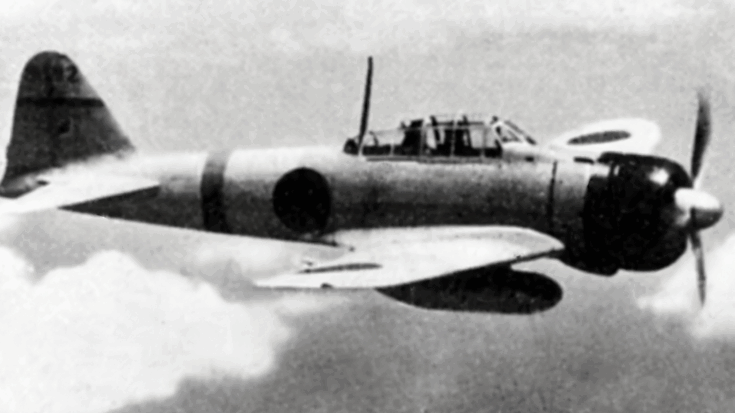
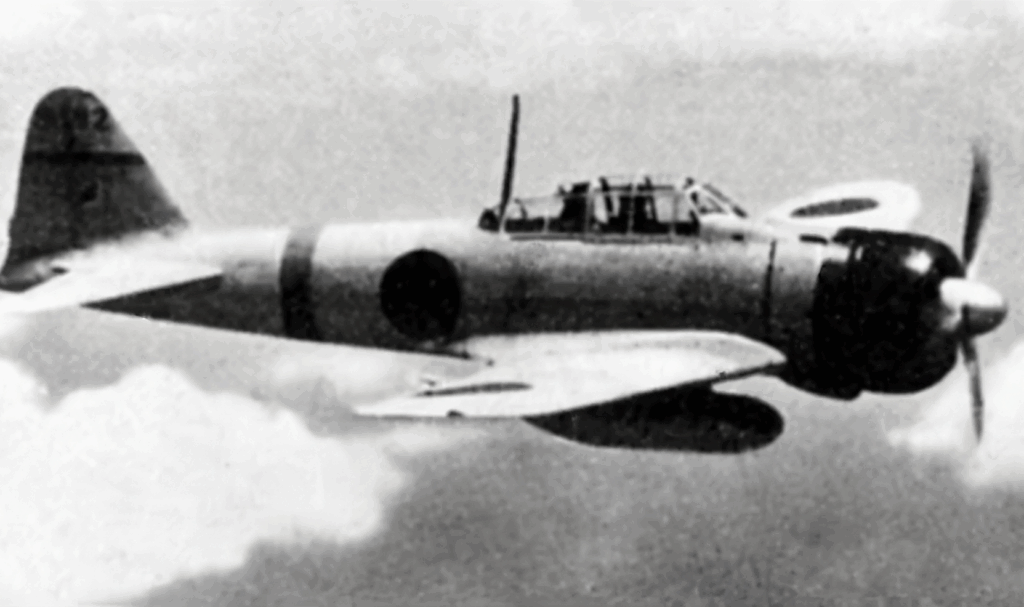
Shortly after 9:30 in the morning, a formation of Japanese fighter aircraft appeared over Broome without warning. The attackers, primarily Mitsubishi Zero fighters guided by a reconnaissance aircraft, had flown from bases recently captured in Timor after spotting the large number of Allied planes gathered below.
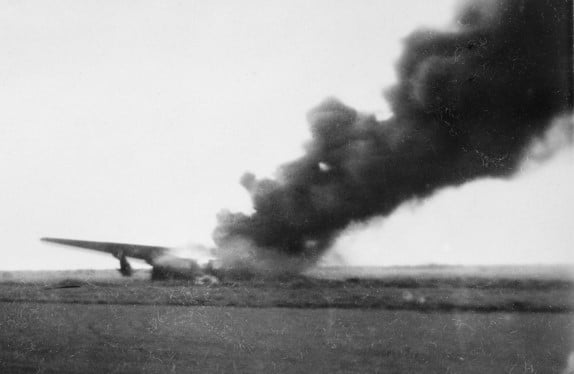
The fighters immediately began strafing both the airfield and the flying boats anchored in the bay. Machine-gun fire tore through fuel tanks and passenger cabins. Many aircraft were fully loaded with fuel, causing explosions that turned the water’s surface into burning patches of oil. Witnesses later described smoke rising across the harbor while tracer rounds struck aircraft and the sea around survivors attempting to escape. The attack lasted less than an hour but caused widespread destruction.
Refugees Caught in the Crossfire
Most of the victims were not combat troops but evacuees fleeing war zones farther north. Several Dutch Dornier and Catalina flying boats held families awaiting departure when the strafing began. Some passengers survived the initial gunfire only to face fire spreading across the water and strong tides pulling wreckage away from shore.
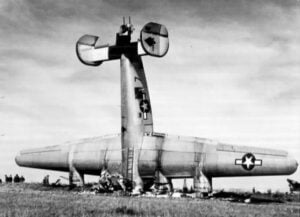
At least 22 Allied aircraft were destroyed, including flying boats, heavy bombers, and transport planes. A United States B-24 Liberator carrying wounded servicemen was shot down shortly after takeoff, while a Dutch DC-3 approaching Broome was attacked and crashed along the coast. Casualty figures remain uncertain because passenger records were incomplete, but official counts list at least 88 people killed, with many historians believing the number may have approached one hundred.
Chaos, Rescue, and Lasting Memory
Broome had no fighter defenses at the time, leaving only small-arms fire from the ground to respond. One Japanese aircraft was reportedly damaged by defensive fire, but the attackers completed their mission largely unopposed. When the fighters departed, nearly every operational aircraft in the town had been destroyed or severely damaged.
Local residents, soldiers, and surviving aircrew rushed into the water using small boats to rescue those still alive. Survivors were pulled from burning wreckage and treated in makeshift medical stations across the town. Many civilians opened their homes to injured refugees, turning Broome into an emergency refuge despite limited supplies and medical facilities.
The raid deeply affected the community. Fear of further attacks forced many residents to evacuate, and the town’s economy declined sharply during the remainder of the war. Graves for victims, many unidentified, were later established as a reminder of the sudden violence that struck the isolated port.
Today, the attack on Broome is remembered as the second most destructive air raid against Australia during the war. It stands as a moment when a distant conflict reached an unsuspecting town, where civilians seeking safety instead found themselves caught in one of the Pacific war’s most tragic episodes.
.jpg)
