On This Day in 1942: RAF Sends Record 235 Bombers to Strike Key Renault Plant in Occupied Paris
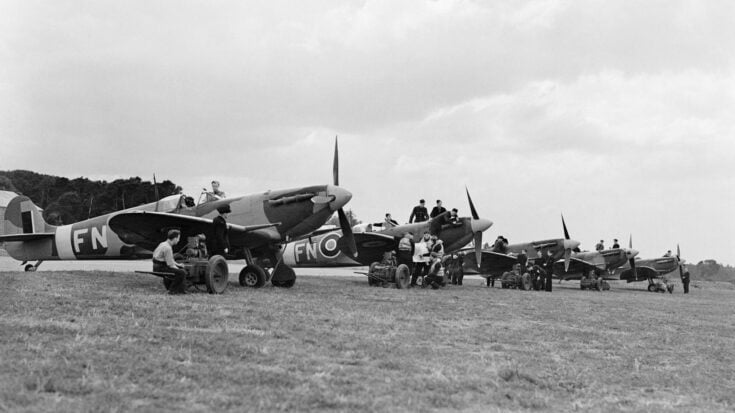
Royal Air Force (RAF) official photographer, Public domain, via Wikimedia Commons
A Bold Air Operation Over Occupied France
On the night of March 3–4, 1942, the Royal Air Force launched one of its largest raids of the Second World War against a single industrial target in occupied Paris. A total of 235 RAF bombers — the most ever sent against one target up to that point — flew deep into enemy-controlled territory to attack the Renault automobile plant at Boulogne-Billancourt, a suburb southwest of the French capital.
From the start of the war, the Renault works had been a major industrial site. Under German control since the fall of France in 1940, the factory had been converted to produce vehicles, engines, and components for the German military. British planners believed that hitting the plant would disrupt the enemy’s ability to move men and materiel on the Eastern and Western fronts. Paris itself was heavily defended, and the raid required careful planning to move large numbers of aircraft over hostile airspace and back to bases in England.
Targets and Strategy
The Renault plant covered a large area between the Seine River and the streets of Boulogne-Billancourt. Before the war, it had been one of France’s major car factories, producing thousands of vehicles that sold across Europe. Once the occupying forces converted it for military production, it turned out trucks, staff cars, and parts vital to army operations. RAF intelligence teams monitored activity around the site and reported steady output, making it a high-value target in Britain’s strategic bombing campaign.
RAF Bomber Command chose a mixture of heavy and medium bombers for the mission, including the four-engine Avro Lancasters, Handley Page Halifaxes, and Short Stirlings. These aircraft could carry large bomb loads and fly at night in tight formations. Flying in the darkness would reduce the risk of interception by German night fighters and surface defenses. The route from England to Paris crossed the heavily defended English Channel and invaded enemy radar zones, making the mission dangerous from takeoff to return.

Taking to the Skies
As dusk turned to night, crews climbed into their aircraft at bases across southern England. Many of the pilots and navigators were young men on only their first or second tours of duty. Ahead of them lay several hours over enemy territory with the knowledge that defensive fire from ground batteries and night fighters could strike without warning. Still, morale was high, and crews trusted their training and equipment.
By late evening, the bomber stream had formed over the Channel and progressed toward northern France. Pathfinders — specialized crews flying ahead of the main force — dropped marker flares near the Renault works to guide the larger formations to their aim point. This method helped align the bombers over a darkened city, where streetlights and landmarks were scarce or extinguished to avoid detection.
The Raid and Its Effects
Once over the target, the main bomber groups began releasing their loads of high-explosive and incendiary bombs. The explosions shook the factory buildings, destroyed parts of production halls, and set fires that burned deep into the complex. Firefighters in Boulogne-Billancourt and Paris worked through the night to control blazes and protect nearby homes and smaller factories that lay around the large industrial site.
Civilians in the city, alerted by air raid sirens, took shelter in underground stations and basement shelters. Though the factory itself was the main focus, residential areas on the edge of the blast zone also suffered damage from falling debris and unexploded ordnance. Occupying authorities reported both casualties and extensive property damage, and German propaganda used the raid to try to rally support for increased defensive measures.
The attack on the Renault plant demonstrated the growing reach of RAF Bomber Command early in the air war over Europe. It required the coordination of large numbers of aircraft, precise navigation over long distances, and cooperation among aircrew drawn from across Britain and the Commonwealth. For crews involved, it was a mission of high risk and determined effort, showing how strategic bombing was being used to target industrial capacity as well as military forces during the conflict.