On This Day in Aviation History: Yak-4 Light Bomber Flies for the First Time in the USSR
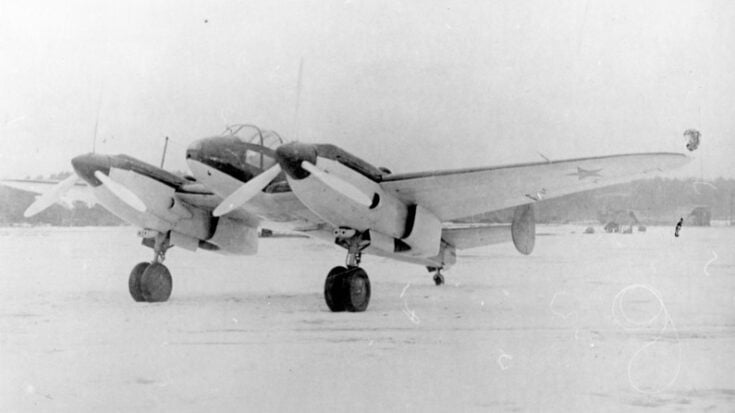
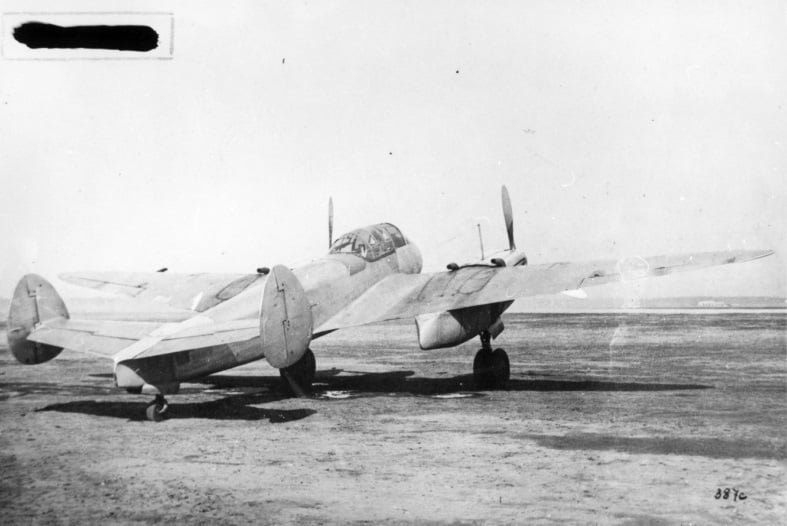
Ray Wagner Collection, Public domain, via Wikimedia Commons
Early Development of a New Bomber
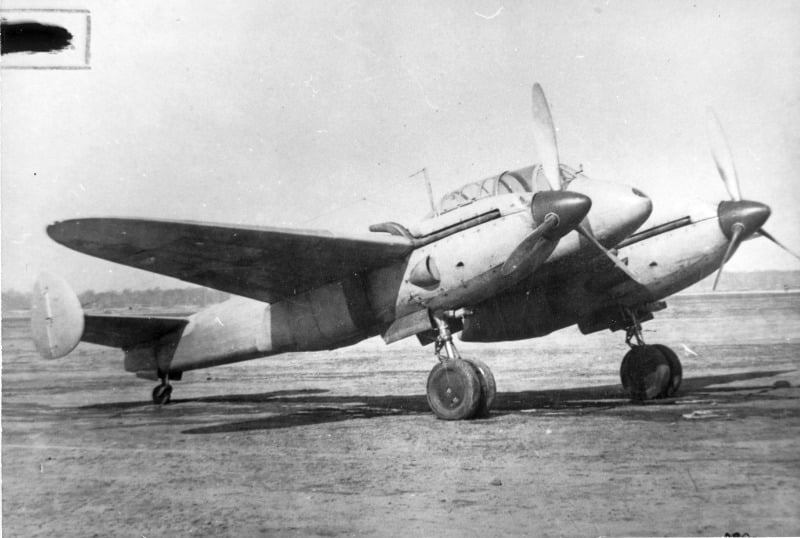
On Feb. 20, 1940, the Soviet Union saw the first flight of a new military aircraft that was meant to serve as a short‑range bomber and reconnaissance plane. This aircraft was the Yakovlev Yak‑4, designed by the Yakovlev Design Bureau, a team known for creating a series of combat aircraft for the Soviet military. The Yak‑4 was part of an effort to build twin‑engine bombers that could meet the needs of a modern air force as tensions in Europe continued to rise in the early days of the Second World War.
The Yak‑4 was developed from an earlier twin‑engine plane known as the Yak‑2. Designers aimed to improve on the Yak‑2’s weaknesses and give the new model better performance in combat roles. The first flight was an important step in proving that these improvements could work. Test pilots and engineers watched closely as the Yak‑4 took to the skies over a Soviet airfield, marking the start of its brief but meaningful development as a light bomber.
Design Changes From Earlier Models
The Yak‑4’s engineers made a number of changes compared with its predecessor. One major difference was the use of more powerful Klimov M‑105 engines. These liquid‑cooled V‑12 power plants delivered higher horsepower, which helped the aircraft carry heavier loads and fly at faster speeds. Early design work also focused on improving fuel capacity by adding extra tanks in the wings, giving the plane a greater range in missions.
Inside the aircraft, the gunner’s position was redesigned to give the crew member more space to operate the defensive machine gun. The oil coolers were also moved to improve their efficiency, and the overall shape of the fuselage was slightly altered to improve the gunner’s field of view. These changes showed that the designers were trying to balance firepower, speed, and handling in a small bomber that could serve several roles on the battlefield.
Early Production and Operational Use
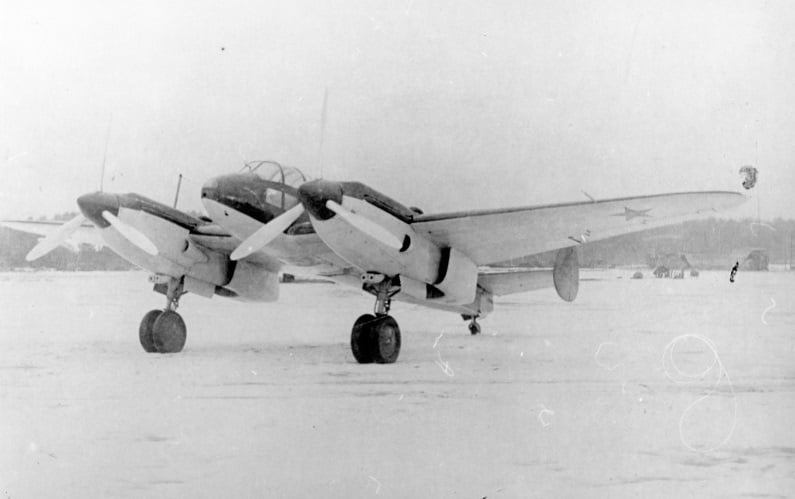
After its first flight, the Yak‑4 entered limited production later in 1940. Factories in the Soviet Union began building the new aircraft, and over the next several months around 90 were completed. The aircraft had a crew of two, including a pilot and a gunner, and could carry a modest bomb load, with space for several hundred kilograms of ordnance. Armament included two 7.62 mm ShKAS machine guns for defense against enemy fighters.
By the time it entered service in 1941, the Yak‑4 had been assigned to a number of aviation units. Some served in reconnaissance roles, where their speed and range allowed them to gather information on enemy movements. Others were used for bombing missions against forward positions or supply targets. However, the aircraft faced tough conditions once Germany’s forces launched their invasion of the Soviet Union in June 1941, known as Operation Barbarossa. Many Yak‑4s were lost early in combat as they encountered well‑armed enemy fighters and difficult frontline conditions.
Challenges in Combat and Retirement
Though the Yak‑4 had improvements over the Yak‑2, it still faced limitations. Its defensive protection was light, and its bomb load was small compared with larger medium bombers. These factors made it hard for crews to operate safely in heavily defended airspace over the front lines. The aircraft also suffered from build quality issues, which affected its reliability in wartime conditions.
By 1942, production of the Yak‑4 had ended, and remaining aircraft were gradually withdrawn from frontline use. Newer bomber designs with better performance and protection began to replace it. Despite its short production run and mixed record in combat, the Yak‑4 remains a piece of aviation history as one of the early twin‑engine bombers designed and flown by the Soviet Union as the world faced the challenges of global war.