On This Day in WWII (1941): Italy’s Top Ace Mario Visintini Killed in CR.42 Crash Over Eritrea
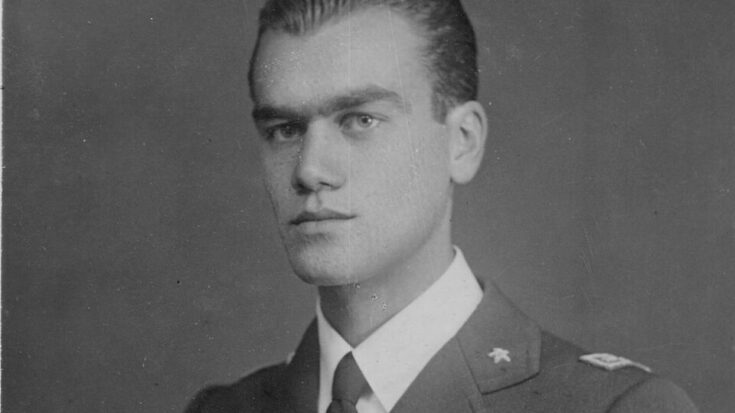
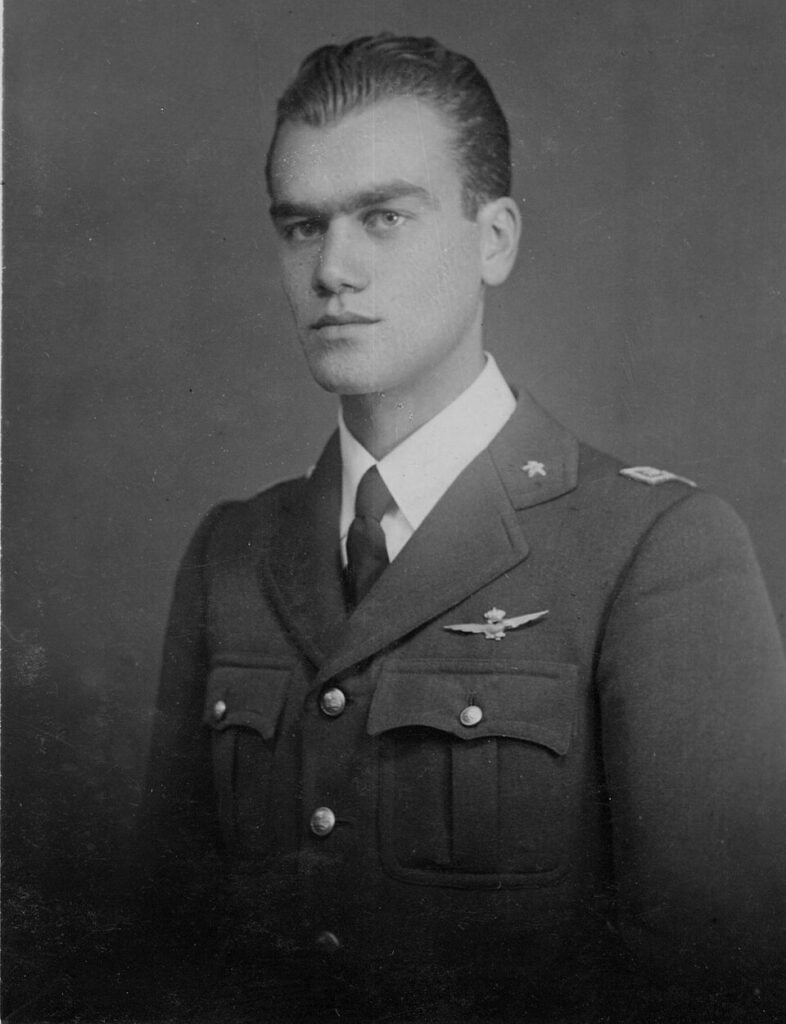
Public domain, via Wikimedia Commons
In the early months of the war in East Africa, air combat often took place over mountains, deserts, and coastal plains far from Europe’s main fronts. Among the Italian pilots flying in this region was Captain Mario Visintini, who became his country’s first ace of the conflict. On February 11, 1941, his career ended not in a dogfight, but in a fatal crash during poor weather over Eritrea.
Visintini had earned a strong reputation flying the Fiat CR.42 Falco, a biplane fighter that was already becoming outdated compared to newer monoplane designs. Even so, in skilled hands, it remained dangerous. By early 1941, he was credited with more aerial victories than any other Italian pilot flying a biplane during the war.
Early Combat Over East Africa
When Italy entered the war in June 1940, its forces in Italian East Africa were largely cut off from direct support from Europe. Pilots stationed there had to rely on limited supplies and older aircraft. Visintini served with the 412ª Squadriglia Caccia, operating from airfields in Eritrea. The unit faced British and Commonwealth aircraft, including Gloster Gladiator biplanes and Hawker Hurricanes.
During the first months of fighting, Visintini quickly proved himself in the air. He scored several confirmed victories against enemy fighters and bombers, often in harsh conditions. Engagements took place over Massawa, Asmara, and other key points in the region. His skill and calm approach made him well known among fellow aviators. By early 1941, he had achieved at least 16 confirmed aerial victories, making him the leading Italian ace at that stage of the war.
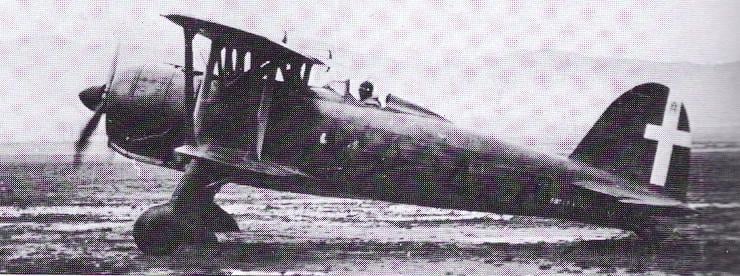
The Fiat CR.42 and Its Limits
The Fiat CR.42 Falco was one of the last biplane fighters used in large numbers during the conflict. It was agile and strong in close combat, but it lacked the speed and firepower of more modern aircraft. Against faster monoplanes, pilots had to rely on tight turns and careful timing to survive.
In East Africa, terrain and weather added to the dangers. Mountain ranges and sudden storms created serious risks, especially for aircraft without advanced navigation tools. On February 11, 1941, Visintini took off in his CR.42 to search for a missing comrade who had failed to return from a mission. Despite worsening weather over the Nefasit area, he pressed on with the search.
The Final Flight Over Mount Nefasit
While flying through low clouds and heavy conditions near Mount Nefasit, Visintini lost control of his aircraft. His CR.42 struck the mountainside, killing him instantly. He was 29 years old. The loss deeply affected his squadron, which had already been under strain from increasing Allied pressure in the region.
At the time of his death, Italian forces in East Africa were facing growing difficulties. British and Commonwealth troops were advancing from Sudan and Kenya, supported by air units that were receiving reinforcements. The air war in the region was shifting, and experienced pilots were increasingly hard to replace.
Visintini was awarded several decorations for bravery, including the Gold Medal of Military Valor. His record as a biplane ace remains notable because few pilots flying that type of aircraft reached such high victory totals during the war. Though remembered for his combat skill, his final mission reflected another side of military aviation: the risks taken not only in battle, but also in efforts to rescue fellow airmen under dangerous conditions.