On This Day in WWII (1944): “Yoxford Boys” Launches First Mission, Producing Record Number of Aces
Public domain, via Wikimedia Commons
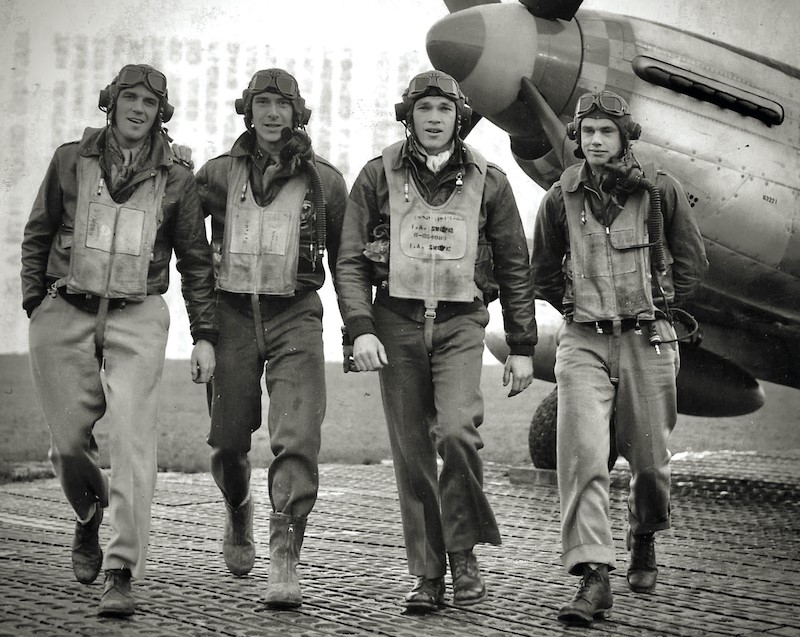
In February 1944, as the air war over Europe intensified, a new American fighter group began combat operations from England. The 357th Fighter Group, soon known as the “Yoxford Boys,” flew its first mission with the Eighth Air Force. From that starting point, the unit would earn a reputation for skill in the air and produce more aces than any other fighter group in the Eighth Air Force.
Based at RAF Leiston in Suffolk, near the village of Yoxford, the group adopted a name that reflected its location. Flying the North American P-51 Mustang, the 357th entered combat at a time when long-range escort fighters were urgently needed to protect American bombers deep inside German-controlled territory.
Arrival in England and First Operations
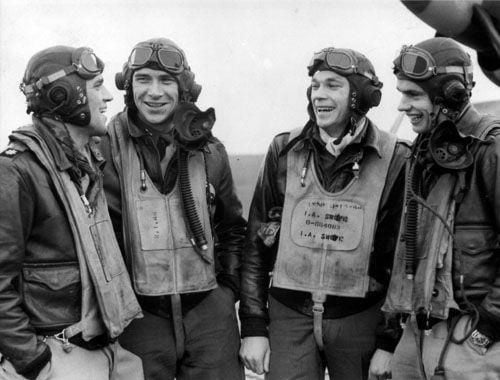
The 357th Fighter Group was activated in the United States in December 1942 and trained for more than a year before deploying overseas. It arrived in England in late 1943 and became part of the Eighth Air Force’s growing fighter strength. The group consisted of three squadrons: the 362nd, 363rd, and 364th Fighter Squadrons.
On February 11, 1944, the unit flew its first combat mission. The assignment was to escort heavy bombers attacking targets in Germany. Early operations required discipline and coordination, as fighter pilots had to stay with the bomber formations while remaining alert for enemy aircraft. These first missions introduced the group to the risks of long flights over hostile airspace, changing weather, and sudden attacks from German interceptors.
The P-51 Mustang and Air Superiority
The P-51 Mustang played a key role in the group’s success. Equipped with drop tanks, the aircraft had the range to accompany bombers all the way to targets such as Berlin and back. Its speed and performance at high altitude allowed American pilots to challenge German fighters more effectively than before.
As 1944 progressed, the 357th Fighter Group became heavily involved in escort duties and fighter sweeps. Pilots engaged German aircraft including the Bf 109 and Fw 190. Air combat over Europe was intense, especially during the period known as “Big Week” in February 1944, when Allied forces launched coordinated attacks against German aircraft factories. Fighter groups like the 357th aimed not only to defend bombers but also to reduce the strength of the opposing air arm in the sky.
Record of Aces and Notable Pilots
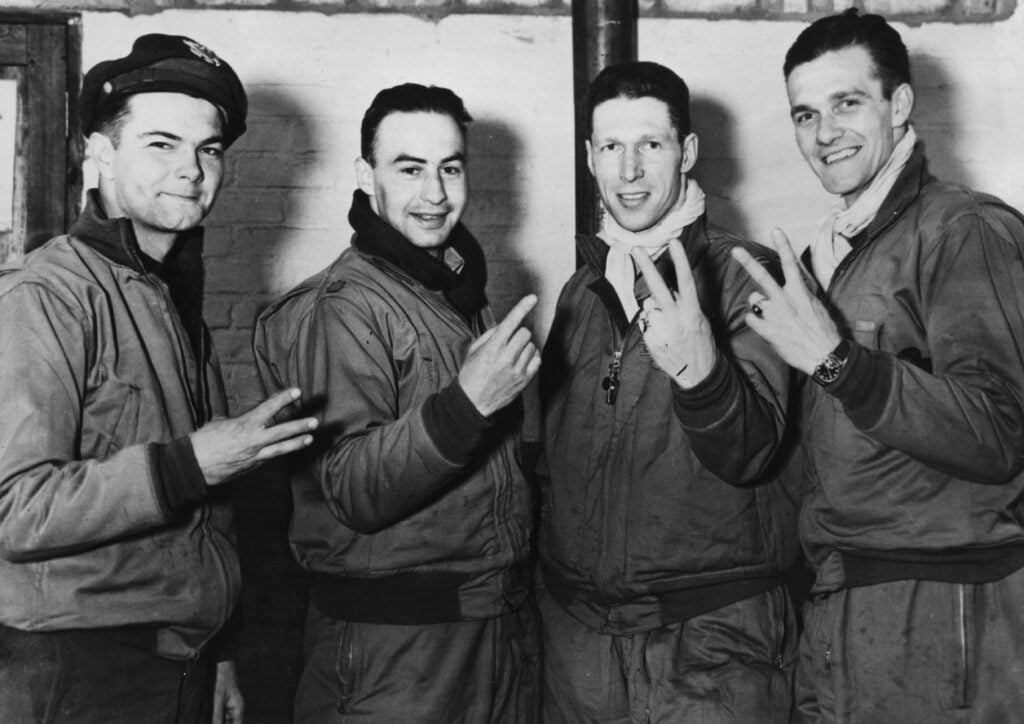
Over time, the “Yoxford Boys” built an impressive combat record. The group was credited with more than 600 enemy aircraft destroyed in the air and on the ground during the war. It produced the highest number of aces of any Eighth Air Force fighter group, with more than 40 pilots reaching ace status, defined as five or more confirmed aerial victories.
Among its well-known members were Clarence “Bud” Anderson, who finished the war with 16¼ aerial victories, and Chuck Yeager, who scored 11½ confirmed kills with the group. Yeager was shot down over France in March 1944 but escaped capture with the help of the French Resistance and later returned to flying combat missions, an unusual event at that time.
The group also developed a distinctive identity. Many of its aircraft carried colorful nose markings and squadron codes, though operations remained focused on escort and air superiority rather than display. Pilots lived under steady pressure, flying multiple missions each week while facing anti-aircraft fire and determined opposition.
From its first sortie in February 1944 through the final months of the war in Europe, the 357th Fighter Group played an important role in gaining control of the skies. Its early missions marked the beginning of a combat record that would link the name “Yoxford Boys” with the broader Allied air campaign over Europe.