

On This Day in WWII (1943): Night Attacks at Rennell Island Leave USS Chicago Severely Damaged and Sunk
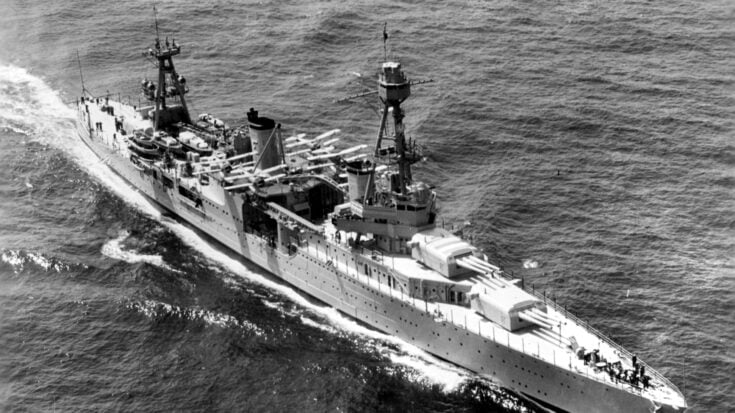
Naval History & Heritage Command, Public domain, via Wikimedia Commons
In the opening months of 1943, the Solomon Islands were a major focus of fighting in the Pacific. Allied troops and sailors fought to secure control of water and land routes around Guadalcanal. At the end of January, a U.S. naval task force moved south of Guadalcanal to screen transports and protect vital shipping. This move put the ships within reach of Japanese land-based aircraft operating from bases in the region. Over two nights, January 29–30, Japanese torpedo bombers launched attacks that would change the course of the engagement and leave one American cruiser lost at sea.
Task Force 18 included several U.S. cruisers and destroyers under the command of Rear Admiral Robert Giffen. Heavy cruisers such as USS Chicago (CA-29), Wichita and Louisville formed the core of the force. The ships were arranged in columns supported by destroyers stationed ahead to screen for submarines and air attack. Radar aboard the cruisers picked up unidentified aircraft in the early evening, signaling the start of what would become the Battle of Rennell Island.
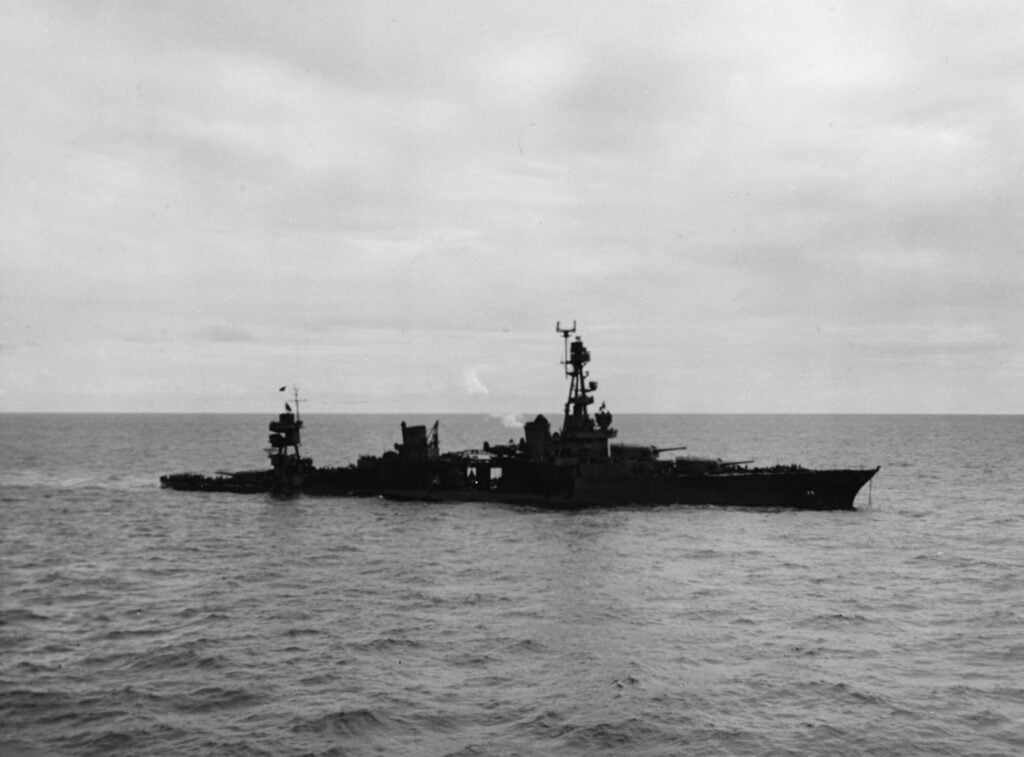
First Night’s Assault
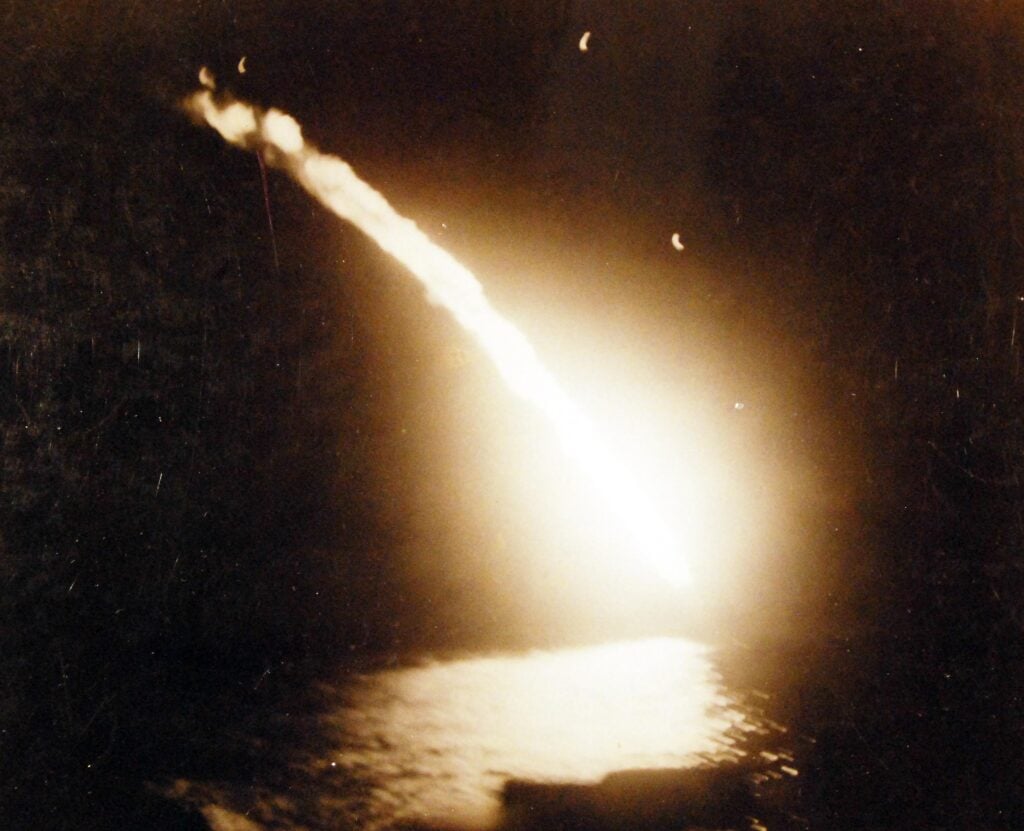
As darkness fell on January 29, Japanese long-range bombers from the 701st and 705th Air Groups took off from bases such as Rabaul and approached the U.S. formation. These aircraft carried aerial torpedoes designed to attack ships at low altitude. Search aircraft also dropped flares and floatlights to mark the task force’s position in the night sky, helping the torpedo bombers find their targets.
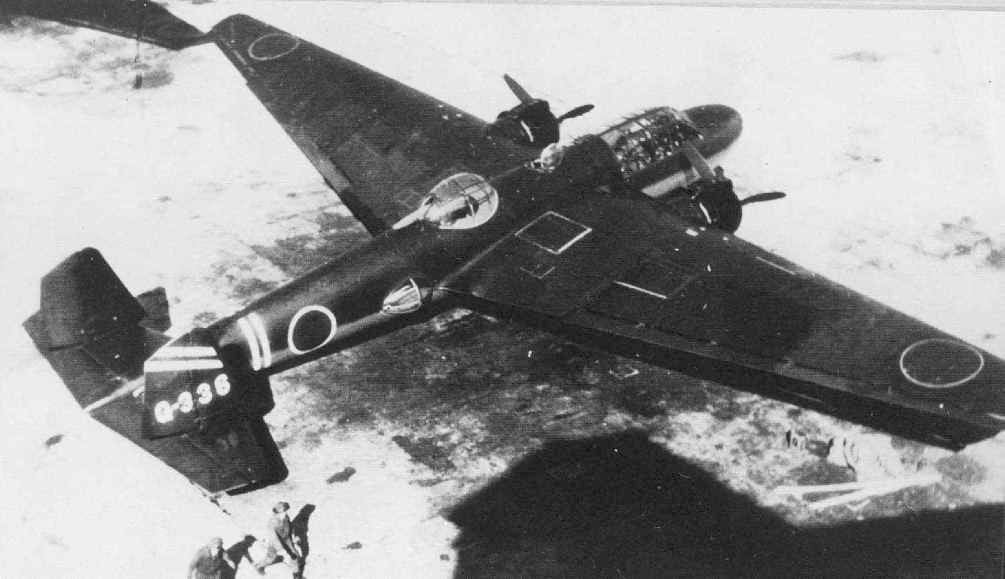
Around 19:38, the Japanese launched their first assault. Mitsubishi G3M “Nell” bombers closed in and released torpedoes into the water near USS Chicago. At 19:45, two torpedoes struck the heavy cruiser on her starboard side. One hit near the drive shafts and stopped three of them, while the other impacted near the forward engine room, flooding vital compartments. These hits stopped the cruiser in the water and left her listless and powerless. Although anti-aircraft fire brought down some attackers, the damage was done, and the Chicago had to be taken under tow to try to get her to safety.
Under Tow and a Second Wave
During the early morning hours of January 30, efforts to stabilize the damaged cruiser continued. Destroyers and the tug USS Navajo were ordered to take over the tow, while fighters from nearby carriers such as USS Enterprise provided air cover. Despite these precautions, Japanese reconnaissance aircraft spotted the crippled ship and reported her location for a follow-up attack later that day.
In the afternoon, a strike force of around eleven Mitsubishi G4M “Betty” torpedo bombers launched from bases in New Guinea and approached the task force. Combat air patrol fighters managed to shoot down several of the incoming attackers, but a number got through. During the attack, USS La Vallette was struck by a torpedo and suffered severe damage and loss of life. USS Chicago took four further torpedo hits, one forward of the bridge and three in her engineering spaces. The damage was overwhelming, and Captain Ralph O. Davis ordered the ship abandoned.
Aftermath and Legacy
The Chicago sank stern first about twenty minutes after the final torpedo impacts. Escort ships and the tug rescued 1,049 survivors, but 62 crew members died in the attack. Other vessels in the task force steamed to safety at Espiritu Santo without further incident. The loss of Chicago was widely publicized by the Japanese, who claimed multiple Allied ship sinkings, though only the cruiser was lost in the engagement.
Strategically, the Battle of Rennell Island was a brief tactical success for the Japanese air units. Their actions delayed the U.S. force and diverted attention from other naval operations. Importantly, the engagement assisted in covering Japanese evacuations from Guadalcanal, which were completed in early February 1943. For the United States, the loss of Chicago underscored the danger of night torpedo attacks and the evolving nature of naval warfare in the Pacific.







_underway_off_New_York_City_on_31_May_1934_(NH_715).jpg)
_low_in_the_water_on_30_January_1943.jpg)
.jpg)