On This Day in WWII (1944): The Tuskegee Airmen’s 99th Squadron Claimed More Victories in the Skies Over Italy
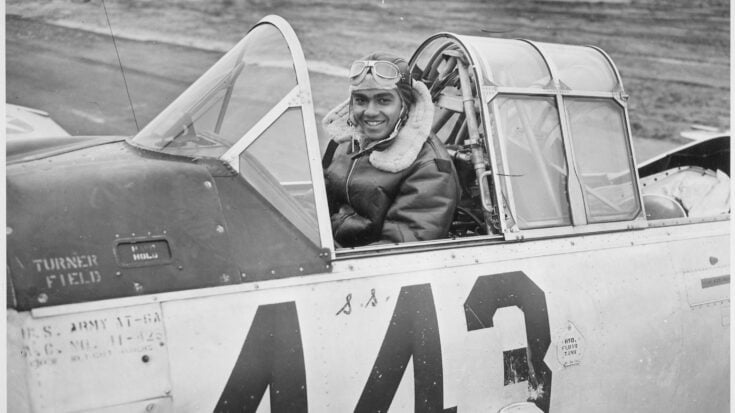
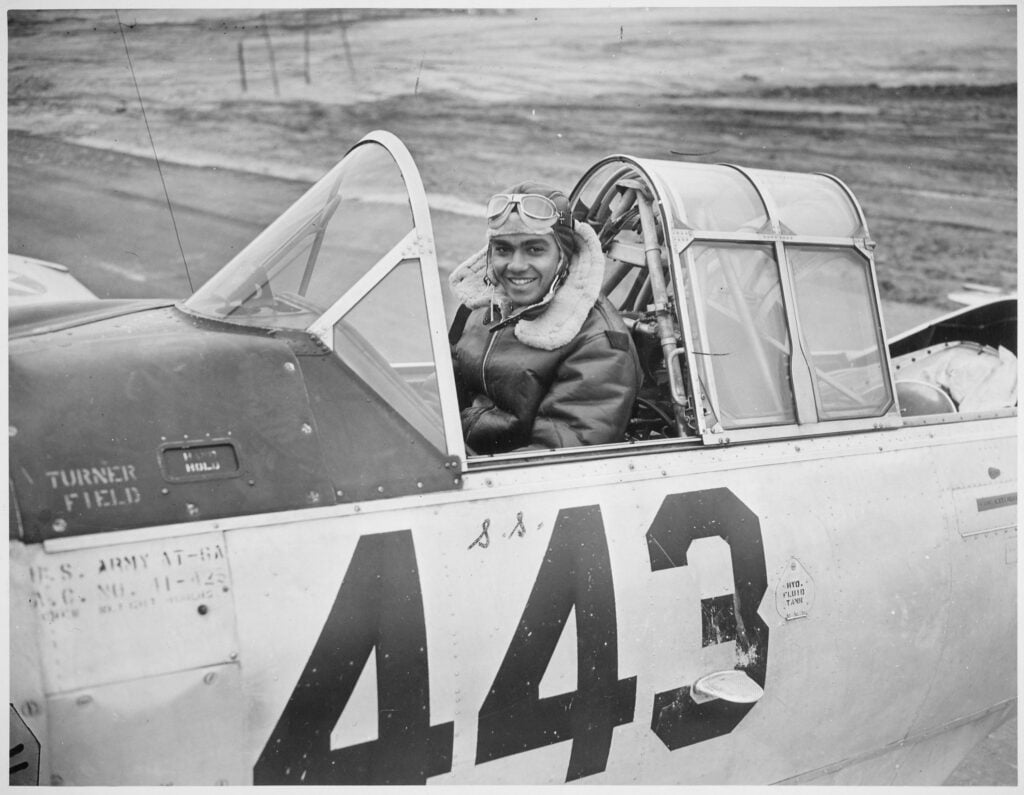
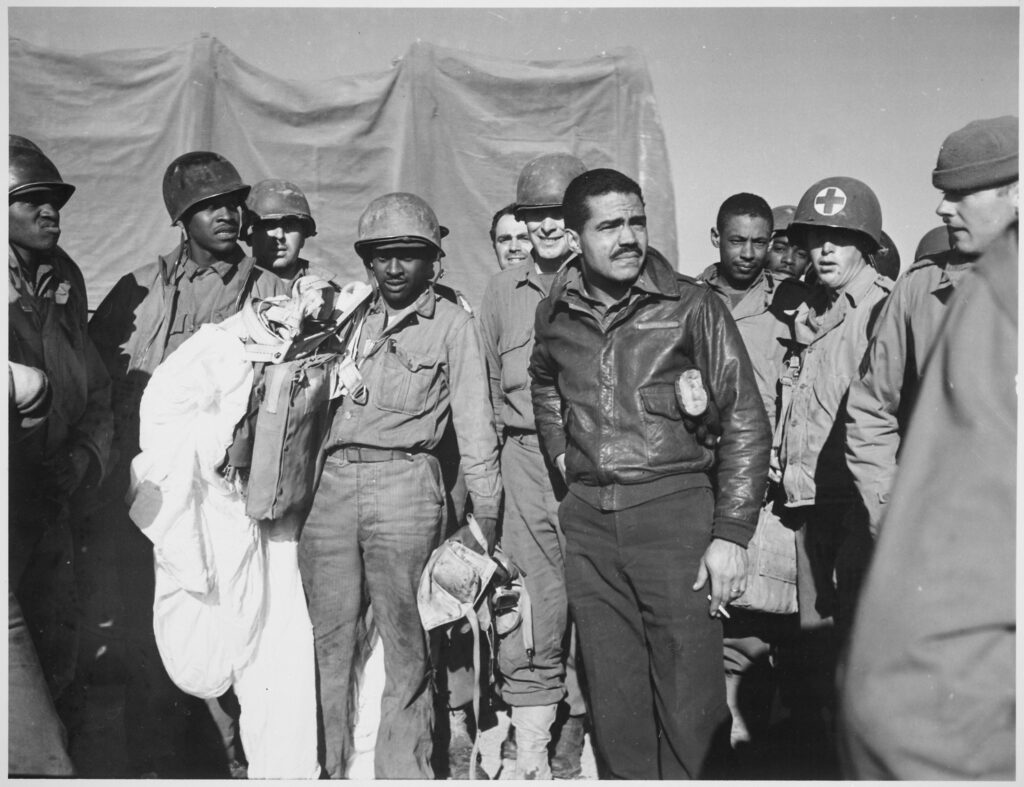
National Archives at College Park, Public domain, via Wikimedia Commons
The air war over Italy in 1944 was constant and demanding. Allied ground forces fighting near the Anzio beachhead depended heavily on support from the sky. Among the units flying daily missions was the 99th Fighter Squadron, one of the first African American fighter units in U.S. military history. Their work over the battlefield showed both skill and discipline under pressure.
Flying the Curtiss P-40 Warhawk, the squadron carried out patrols, escort duties, and ground-attack missions. These pilots had trained under close watch in the United States before deploying overseas. By early 1944, they were operating as part of the Twelfth Air Force in the Mediterranean theater, where air power played a major role in holding back German forces.

The Fight Over Anzio
The landings at Anzio began in January 1944, but the battle did not end quickly. Allied troops were pinned down for weeks, facing artillery, armor, and air attacks. Fighter cover was vital to protect ships, supply lines, and soldiers on the ground. The 99th Fighter Squadron flew from bases in southern Italy to reach the front.
During one period of heavy action, pilots from the squadron engaged German fighters over the beachhead. Reports credited them with shooting down several Fw 190 aircraft in the area. These encounters took place during fast-moving air battles where pilots had only seconds to react. The skies were crowded, and threats could appear from any direction.
Conditions in the Air
Missions over Anzio were not simple flights. Pilots often faced anti-aircraft fire rising from the ground while also watching for enemy aircraft above. Weather could change quickly, and smoke from the fighting below reduced visibility. Each sortie demanded careful flying, steady aim, and close coordination with other units.
The P-40 Warhawk was not the newest fighter in 1944, but it was sturdy and dependable. Its strong structure helped it survive damage, and its guns were effective at close range. Pilots used dive attacks and tight turns to counter faster opponents. Success depended on teamwork as much as individual skill.
Building a Record
The actions over Italy added to the growing record of the 99th Fighter Squadron. Earlier doubts about the performance of Black pilots had followed the unit overseas. Combat results helped answer those doubts. Mission reports showed that the squadron carried out assignments similar to other fighter groups in the theater.
Their work also supported bomber units and ground forces in difficult conditions. By protecting Allied positions and challenging German aircraft, they helped reduce pressure on troops below. The experience gained in these months would later carry over when the squadron became part of the 332nd Fighter Group, which flew other fighter types as the war continued.
Men Behind the Controls
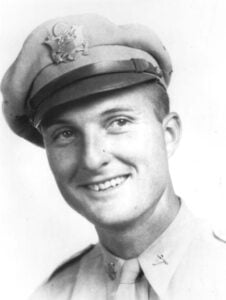
The pilots were young men from different parts of the United States, brought together by training and service. They dealt with long hours, strict discipline, and the strain of repeated combat flights. Letters home often spoke of routine matters, even while missions remained dangerous.
Ground crews played an equal role. Mechanics kept engines running, repaired bullet holes, and prepared aircraft for the next sortie. Without that support, no fighter could leave the runway. The story of the 99th Fighter Squadron over Anzio is not only about aerial victories, but also about steady effort in a demanding theater of war.