

On This Day in WWII (1944): A Massive RAF Bomber Force of 683 Aircraft Launched a Major Night Raid on Berlin
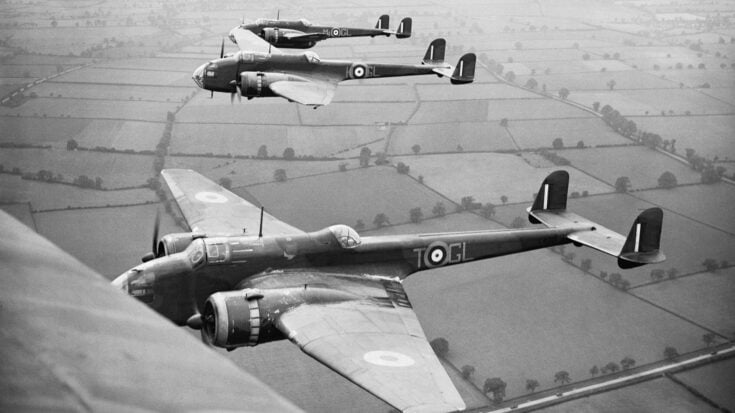
Daventry B J (F/O), Royal Air Force official photographer, Public domain, via Wikimedia Commons
On the night of January 28–29, 1944, the Royal Air Force’s Bomber Command sent one of its largest forces yet against the German capital, Berlin. This attack came during a long and difficult series of operations known as the Battle of Berlin, a strategic campaign of heavy night raids carried out by the RAF between late 1943 and early 1944. The aim was to strike at German industrial and transport targets deep inside enemy territory, but such attacks also came with heavy risk for the bomber crews.
The Berlin raids were part of a broader shift in the air war over Europe. Earlier in the conflict, British and American bombers had focused on nearer targets or engaged mainly in night raids. By the winter of 1943–44, Bomber Command had improved navigational aids and tactics, allowing larger formations to reach Berlin under cover of darkness. These missions were long, cold flights over hostile territory, with anti-aircraft fire and night fighters waiting for them as they approached the German capital.
Preparations for the Raid
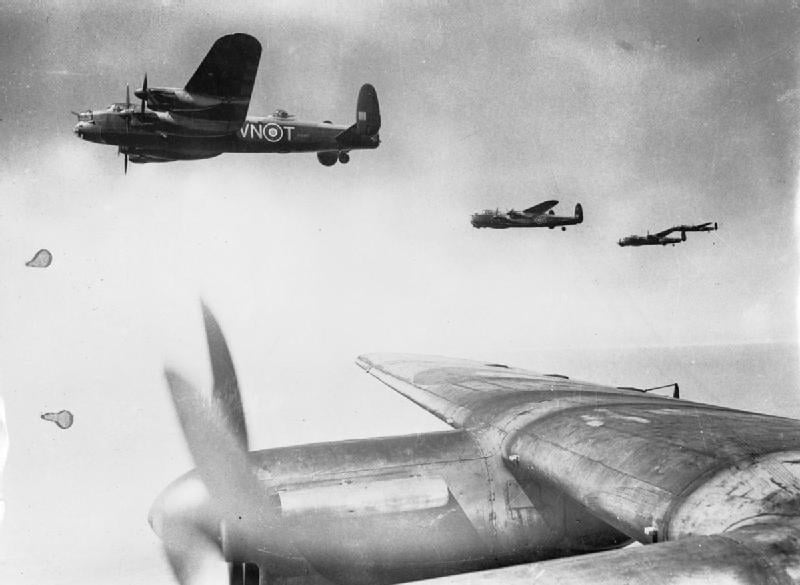
As the RAF prepared to strike Berlin on the night of January 28-29, crews gathered their aircraft and crews at airfields across England. Heavy bombers such as the Avro Lancaster and Handley Page Halifax were the mainstay of this force. These four-engine bombers carried large bomb loads and operated together in a strict formation to improve navigation and defensive firepower. Pathfinder units flew ahead to mark the target with flares, helping the main force find the city in the dark skies.
The weather in late January could be unpredictable, with cold air and cloud cover over northern Europe. In some cases, partial clouds over Berlin meant that crews had only brief glimpses of their target. Despite this, the RAF planned to concentrate hundreds of tons of bombs on the city, with the hope of disrupting war production and transport even in the depths of winter.
The Attack Begins
On the night of January 28–29 some 677 aircraft took off bound for Berlin. This number included 432 Lancasters and 241 Halifaxes, along with a handful of de Havilland Mosquito night fighters and light bombers that helped with navigation and support. Bomber streams crossed the North Sea and then curved south toward the German capital.
As the force approached Berlin, ground-based radar and searchlights tracked the incoming bombers. German air defenses were alerted, and anti-aircraft batteries opened fire. In many raids during the Battle of Berlin, night fighters would intercept the bomber streams, using airborne radar to home in on the aircraft. On this night, the defenders reacted fiercely, and a number of the RAF bombers were lost to flak and fighters before, during, and after the attack.
Damage and Losses
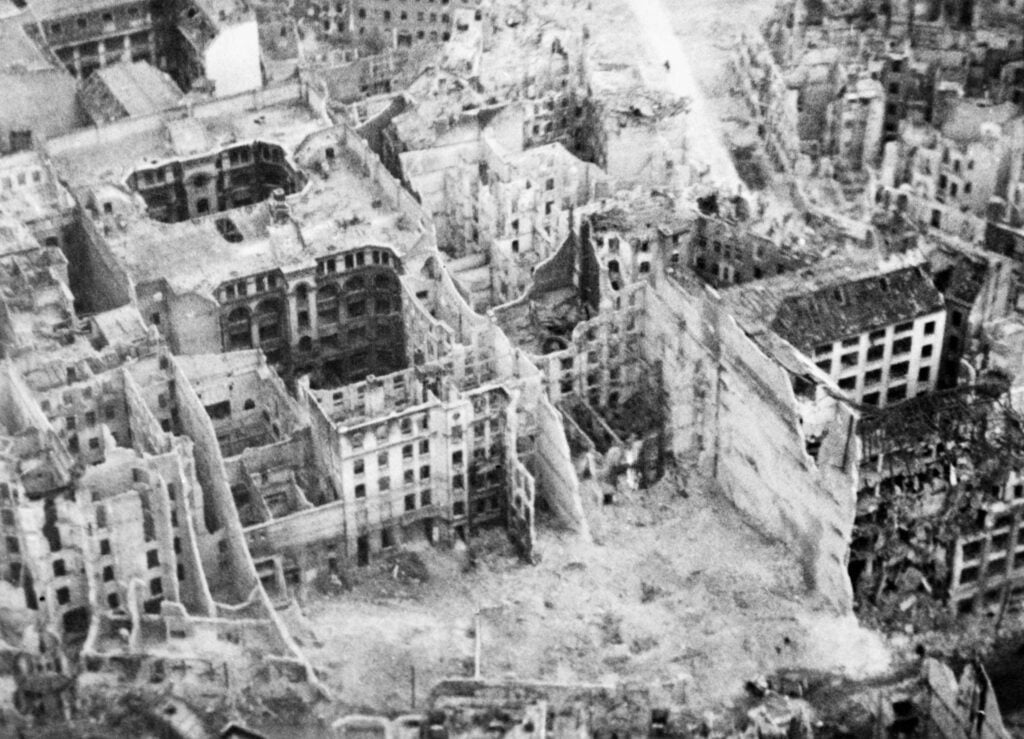
Once over the target area, bomber crews released their loads over western and southern districts of Berlin. RAF records describe this raid as among the most concentrated of that period, with a heavy pattern of explosions marking the city below. Due to partial cloud cover, crews sometimes saw the flashes of their own bombs and the glow of fires below before turning for home.
German records suggest that bombs also fell outside the core of the city, with strikes reported in at least seventy-seven other locations around the wider Berlin area. This scattered pattern was common in night raids where wind, cloud, and marking errors could spread the barrage beyond the intended target.
Losses were serious. Of the 677 aircraft dispatched, 46 were lost, a rate of about 6.8 percent of the force. These losses included both Lancasters and Halifaxes, many of which were hit by anti-aircraft fire or intercepted by night fighters as they left the target zone and began the long flight back to England.
The Context of the Raid
The January raid on Berlin was one of a series of heavy night operations in the winter of 1943–44. Over the previous months, Bomber Command had launched many similar attacks, including ones in November and December that damaged transport hubs, factories, and housing in the capital. These raids took a toll on both sides: German civilians faced the terror of explosive raids on their homes, while RAF crews flew long missions with high risk of loss.
This January attack was followed by other major raids in the final months of the campaign. In February 1944, larger forces again struck Berlin, pressing attacks on war industries and rail systems, and further drawing German night fighters and flak batteries into action. Through this period, Bomber Command’s operations reflected both the bravery of the crews who flew into defended airspace each night and the harsh costs of strategic bombing in a total war.
After the Raid
The night of January 28–29, 1944, stands in history as one of the concentrated air attacks by Bomber Command on the heart of Germany. Forced to navigate through darkness and heavy defenses, hundreds of airmen risked their lives to carry out the operation. While the full effect on Berlin’s industrial output is difficult to measure, the raid illustrated the scale and intensity of the air war over Europe in the winter of 1944.









