On This Day in WWII (1945): Air Battle Over Norway Ends in Heavy Allied Losses Dubbed as the “Black Friday”
Royal Air Force official photographer, Public domain, via Wikimedia Commons
On February 9, 1945, one of the most costly air operations of the Second World War took place over the narrow waters of Førde Fjord on the west coast of Norway. A large force of Allied aircraft was sent to attack a German destroyer and its escorts that were sheltered deep inside the fjord. What should have been a routine strike turned into a fierce fight in the sky that left many Allied aircraft destroyed and aircrew killed or taken prisoner. The surviving airmen called that day “Black Friday” because of the losses they suffered.
Setting the Stage for a Dangerous Operation
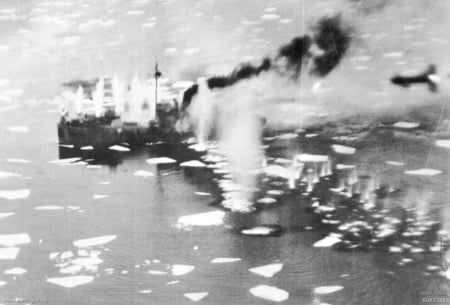
The target of the Allied attack was the German destroyer Z33, a Narvik-class ship that had run aground on February 7 while moving from Trondheim toward Bergen. After being pulled free, the destroyer was taken under tow and sought refuge in Førde Fjord on the morning of February 9. The fjord’s steep sides and limited exit paths made it a difficult place for aircraft to attack, but commanders ordered the strike force to go in anyway under naval directions that warships were a higher priority target than merchant vessels.
Earlier that day, two reconnaissance aircraft from No. 489 Squadron had flown along the fjords and spotted Z33 along with several escort vessels. These included minesweepers and flak ships that carried anti-aircraft weapons. Intelligence reports from radio intercepts had already shown that Z33 was in the area, yet commanders still chose to focus on the larger warship rather than nearer enemy transport ships.
The Allied Strike Force Takes Off
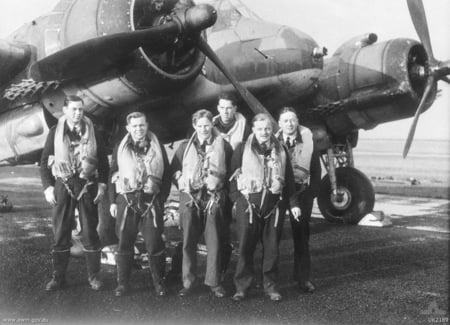
At about 1:30 p.m., the strike leader Wing Commander Colin Milson of No. 455 Squadron led a force of thirty-one or thirty-two Bristol Beaufighter aircraft from RAF Dallachy in Scotland. These were heavy twin-engine fighters used for attacking ships and ground targets. Joining them were a group of ten or twelve U.S. P-51 Mustang fighters from No. 65 Squadron, tasked with escorting and protecting the Beaufighters from enemy fighters. Two Warwick air-sea rescue aircraft accompanied them, each carrying life rafts for crews forced to ditch at sea.
The Beaufighters were a mix of aircraft armed with rockets and those equipped with cannon and machine guns. The force crossed the Norwegian coast in the mid-afternoon and progressed toward the fjord where Z33 was anchored. The plan was to enter the fjord, attack the ships, and then withdraw to the west over open water. Instead, the narrow geography and strong enemy defenses made the attack much harder than expected.
Heavy Ground and Air Defenses Meet the Attack
When the Allied aircraft reached Førde Fjord around 4:10 p.m., they passed directly over the German ships and came under heavy anti-aircraft fire from the vessels and shore batteries. The fjord’s confined space forced the attackers to operate in single file rather than in large formations, exposing them to sustained fire. As the Beaufighters waited to make their attack runs, German Focke-Wulf Fw 190 fighters from Jagdgeschwader 5 arrived over the fjord and engaged the Allied aircraft.
The Mustang escort pilots were taken by surprise by the sudden appearance of the Fw 190s. They dove to meet the German fighters and protect the Beaufighters, leading to intense air-to-air combat. More than fifty aircraft from both sides fought in what became the largest aerial engagement ever seen over Norway during the war.
Losses and Damage on Both Sides
The battle raged until about 4:25 p.m., but by that time the Allied force had suffered severe losses. German defenses and fighters had shot down seven Beaufighters, and Fw 190s had claimed two more Beaufighters plus one Mustang. In total, nine Allied aircraft were lost, and fourteen airmen were killed. Four others were taken prisoner by German forces. Allied pilots did manage to damage Z33 and several of the escort vessels, and they claimed four or five German fighters shot down in the fighting.
Among the defenders was German ace Rudi Linz, credited with many aerial victories during the war. He and other German pilots engaged the attackers, and at least some German aircraft were destroyed before the combat ended. German naval personnel also suffered losses; a few sailors were killed aboard Z33 and on the escort ships during the attack.
Aftermath and Impact on Allied Operations
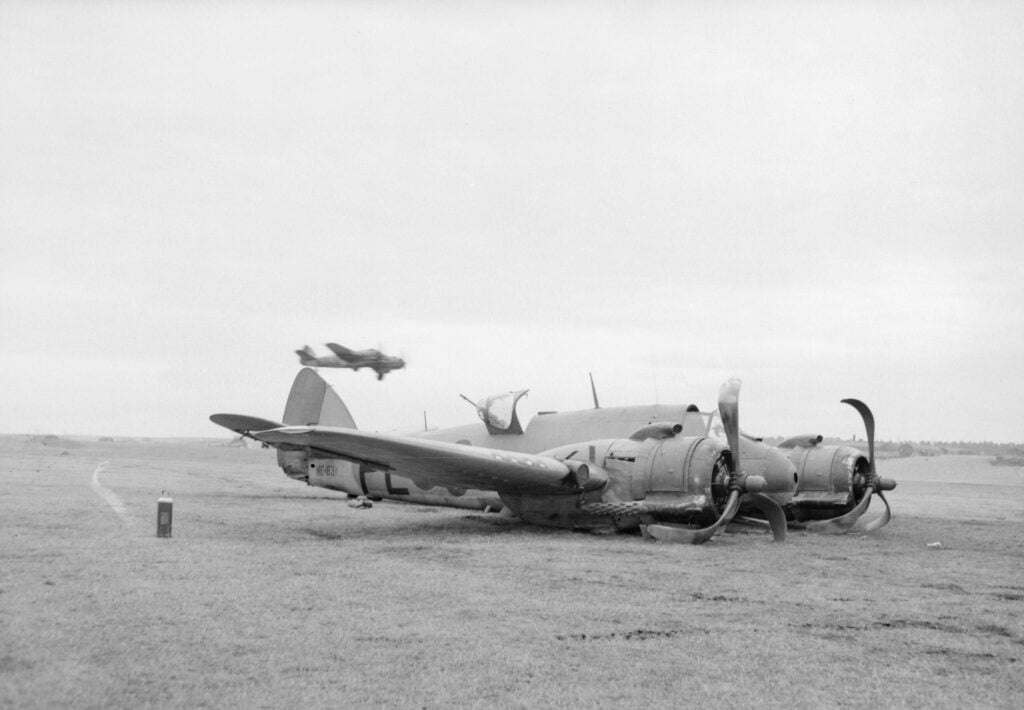
When the surviving Allied aircraft returned to base, many were damaged and in need of repair. Two Beaufighters landed without their landing gear because of the effects of enemy fire on their undercarriages. The scale of the losses shocked both air and ground crews, especially so late in the war. “Black Friday” became a name used by the survivors to describe the day’s costly outcome.
Z33 was able to continue its passage to Trondheim after the raid, arriving there on February 11 for repairs. It later reached Germany in March and remained in service for a short period before the naval situation deteriorated further. For the Allies, the heavy losses in this operation led to changes in how similar missions were planned and prioritized in the final months of the conflict.