They Banned Her “Pencil Line Test” Until It Exposed 18 Sabotaged Aircraft
YouTube / WW2 Vault
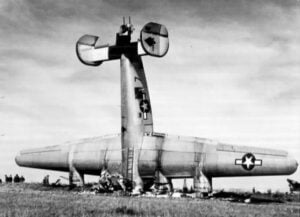
During World War II, American pilots began dying in aircraft that should never have failed. These weren’t worn-out machines pulled from storage or damaged in combat- they were factory-fresh planes, flown straight off the assembly line. Engines quit without warning. Controls seized in midair. Crashes followed, and with them, the quiet assumption that war simply demanded its share of lives.
Military investigators blamed pilot error, rushed production, or unavoidable mechanical flaws. Wartime pressure, they argued, meant perfection was impossible. However, the accidents followed a troubling pattern: the same systems failed repeatedly, often in aircraft manufactured at the same plants. Something was wrong, and no one seemed willing to slow production to find out.
One Woman Noticed What Everyone Else Missed
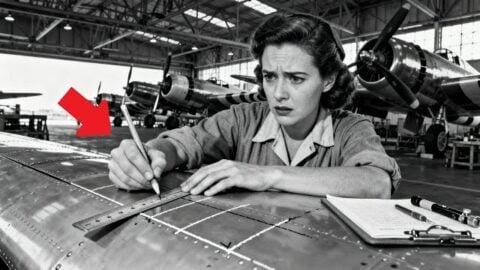
Inside one of America’s war factories worked a meticulous female inspector- overlooked, under-ranked, and rarely listened to. While others focused on performance numbers and paperwork, she examined the machines themselves. She suspected that the failures weren’t random at all, but deliberate.
Her idea was disarmingly simple. Using an ordinary pencil, she drew thin alignment lines across critical components- bolts, fittings, and control linkages after final assembly. If the parts were left untouched, the lines would remain perfectly straight. If someone loosened or altered them later, the lines would no longer match. It was a crude method. It costs nothing. And it worked.
Proof in Plain Sight
Supervisors dismissed the test as unnecessary, unscientific, and disruptive. In some plants, she was explicitly ordered to stop. Production quotas mattered more than gut feelings, and her pencil marks were seen as slowing the line. For a time, the test was quietly banned.
But the crashes continued. When the test was finally allowed again, almost as an afterthought, the results were impossible to ignore. On multiple aircraft, the pencil lines no longer lined up. Bolts had been loosened after inspection. Components had been subtly misaligned- enough to pass a quick glance, but enough to cause catastrophic failure in flight. Eighteen aircraft were confirmed sabotaged.
An Enemy Inside the Factory
The findings triggered deeper investigations that uncovered deliberate sabotage inside U.S. war production facilities. The damage was subtle, patient, and deadly- exactly the kind of work meant to evade rushed inspections while killing pilots in the air.
The pencil line test had exposed what thousands of checklists had missed. What was once dismissed as a nuisance became a recognized inspection technique. Similar marking methods were adopted more widely, helping to secure aircraft before they ever reached the runway. The quiet inspector was finally vindicated-but only after lives had already been lost.