

Rare WWII Footage Shows RAF Mosquito Squadron Attacking German Ships in the Norwegian Sea
Roberto Pistarino / YouTube
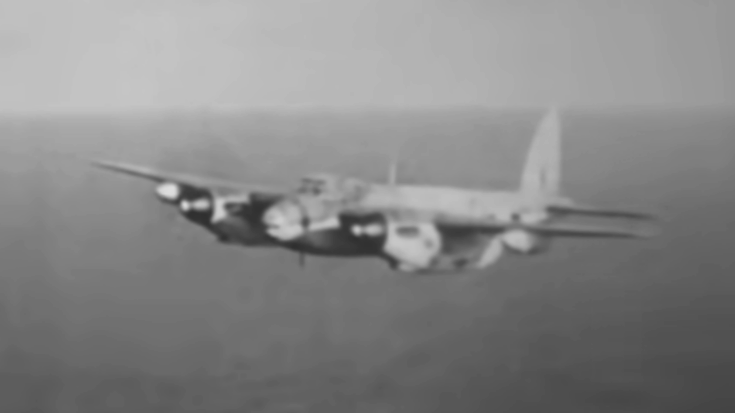
The de Havilland Mosquito was one of the most unusual combat aircraft of the Second World War. Built largely of wood, it earned the nickname “The Wooden Wonder.” From the first prototype flight in 1940 to its varied roles throughout the war, the Mosquito stood apart from many other designs of the era.
It was originally designed as a fast bomber without heavy defensive guns, meant to use speed rather than armor to avoid enemy fighters. The aircraft was adaptable and served in many roles, from night bombing to reconnaissance and even transporting urgent supplies during the conflict. More than 7,000 were built in Britain, Australia, and Canada.
How Mosquitoes Attacked at Sea
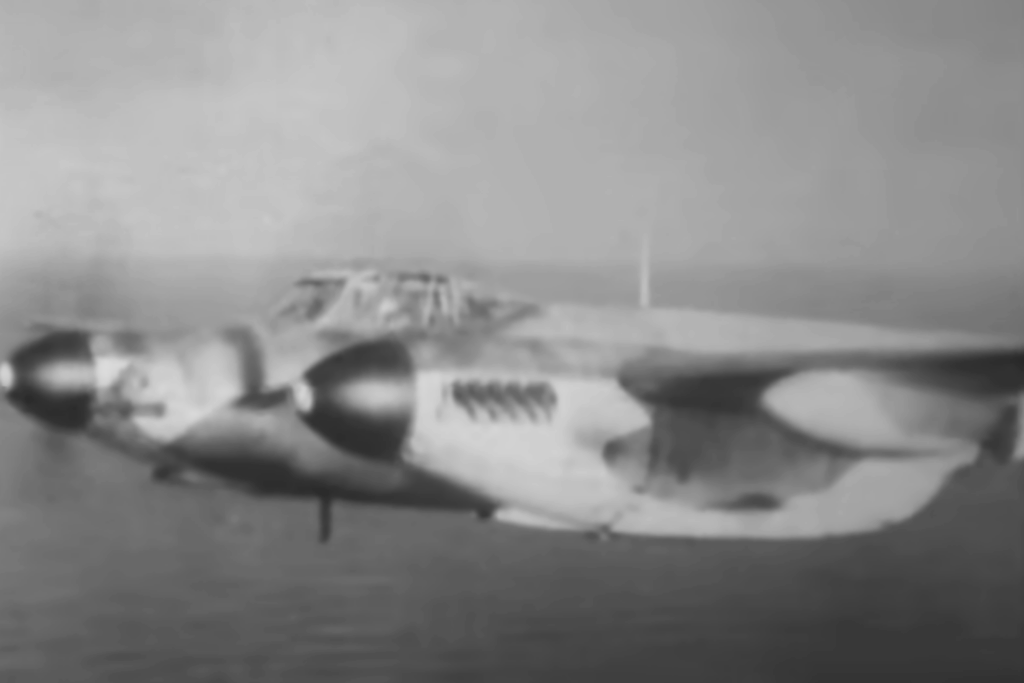
As the war grew, the Mosquito became part of Coastal Command’s efforts to strike at enemy shipping around northern Europe and the Norwegian coast. In Scotland, RAF units formed the Banff Strike Wing, which included several Mosquito squadrons flying fighter-bomber variants. These aircraft were fitted to carry rockets and small bombs designed to penetrate the hulls of merchant ships hiding in fjords and anchored along the coast.
On occasions such as December 5, 1944, groups of around thirty-four Mosquitos of the Banff Wing flew deep into fjords like Nordgulen in Norway to seek out German merchant ships. They approached at speed, often diving steeply from altitude to low water level before firing their rockets at the targets. Some merchant vessels were left burning or badly damaged after these attacks, even though aircraft often faced intense anti-aircraft fire from the ships and shore.
The Reality of Combat Operations
Not all strikes went without loss. Several Mosquitos were lost to enemy flak while pressing their attacks on shipping in harbors and fjords. In one case in March 1945, multiple Mosquitos from Nos. 143, 235, 248, and 333 squadrons attacked vessels around Ålesund. Two merchant ships were sunk, another damaged, and one of the attacking aircraft was hit and ditched, its crew taken prisoner after a successful water landing.
These operations demonstrated how the Mosquito could combine high speed with heavy strike power in low-level attacks against maritime targets. They were among the many varied combat duties carried out by this versatile aircraft across Europe’s skies and waters during the war.
Keep going for the video below:







