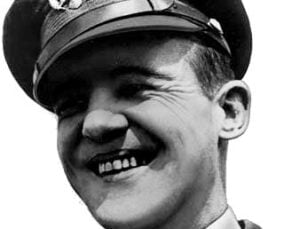
How One P-51 Pilot, James H. Howard, Saved a B-17 Formation Against the Luftwaffe
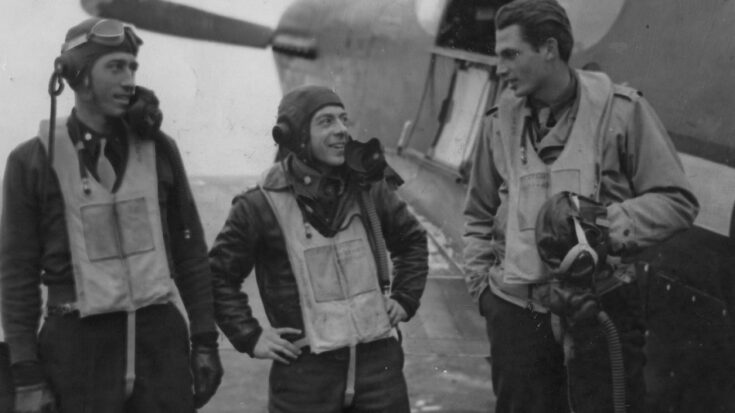
In the winter of 1944, air battles over Germany had reached a brutal pace. American bomber crews flew deep into hostile skies, often facing heavy resistance before help could arrive. One such mission would become remembered not for its losses, but for the actions of a single fighter pilot who refused to turn away.
B-17s Under Fire
On January 11, 1944, more than 140 B-17 Flying Fortresses from the 401st Bomber Group crossed into German airspace. As they moved toward their target, German fighters surged upward to meet them. Bf 109s, Bf 110s, and Fw 190s attacked from all angles, firing cannons and rockets into the tight bomber boxes.
Oil streamed from damaged engines as American gunners returned fire, managing to hit some attackers but unable to stop the growing pressure. Bombers began to fall out of formation. At the lead, Lieutenant Colonel Allison C. Brooks urged his crews forward while waiting for escort fighters that were expected to arrive at any moment.
A Critical Escort Error
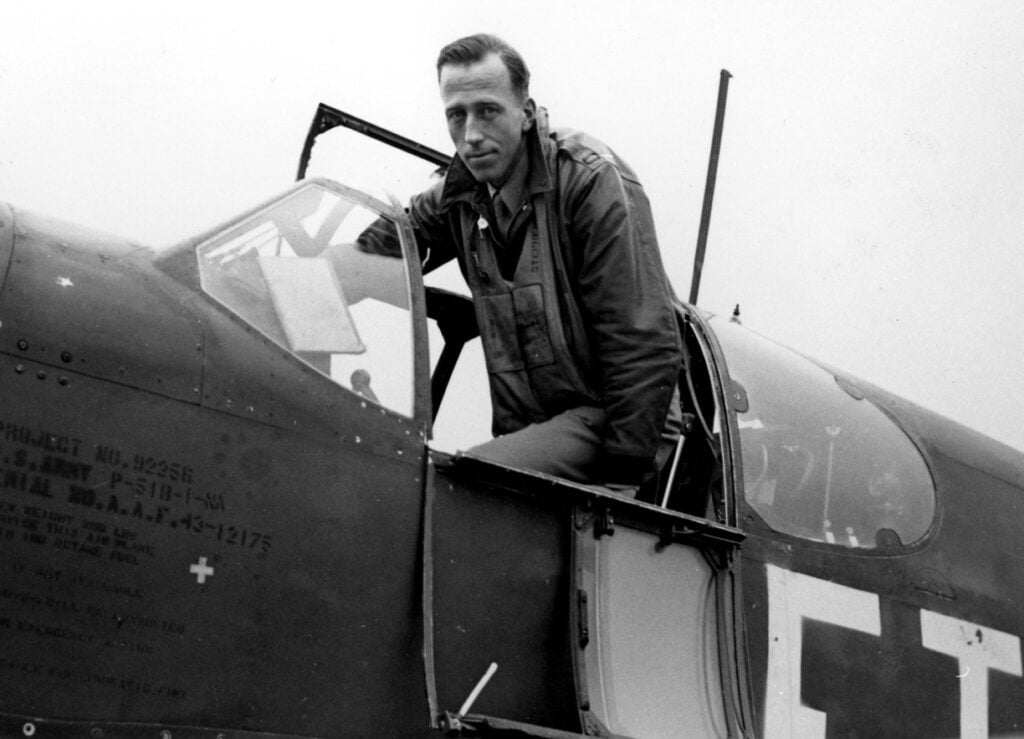
Forty-four P-51 Mustangs from the 354th Fighter Group were racing toward the fight, led by Major James H. Howard. As he broke through cloud cover, Howard saw the bombers under attack. He also noticed another group of German fighters lower down. A radio call ordered the group to dive.
Most of the Mustangs followed the command and plunged after the lower fighters. Howard tried to recall them, but confusion ruled the moment. Only a few aircraft pulled away. The bombers above were left almost unprotected, and Howard knew there was no time to wait.
One Mustang Moves In
With only a handful of fighters near him, Howard pushed his throttle forward and headed straight for the bombers. He spotted a Bf 110 lining up an attack and fired a short burst. The enemy aircraft broke apart and fell away in smoke. Bomber crews saw the Mustang flash past and realized help had arrived.
Howard immediately engaged another fighter, damaging a Bf 109 and forcing it to retreat. He then chased an Fw 190, firing until the German pilot bailed out. When Howard turned back, he found himself alone near the formation, with neither friendly fighters nor enemies in sight.
Alone Against the Odds
The calm lasted only moments. New groups of German fighters appeared above the bombers. Without hesitation, Howard charged toward them. He destroyed another Bf 110 and scattered the attackers, drawing their attention away from the bombers.
Dodging fire, he raced back and forth across the formation, firing at any aircraft that moved in to attack. His speed and timing forced enemy pilots to break off again and again. Inside the B-17s, crews watched in disbelief as one fighter seemed to be everywhere at once.
Pushed to the Limit
Eventually, a Bf 109 slipped in behind Howard and opened fire. He twisted and dove, pulling the Mustang into a steep descent. The German fighter followed, but the dive built up speed beyond what the pursuer could safely handle. Forced to pull away, the enemy broke off the chase.
Howard climbed back toward the bombers, now facing little opposition. He later attempted to attack a Ju 88, only to discover most of his guns had jammed during the hard maneuvers. Even so, he pressed in head-on, causing the German pilot to turn away.
Aftermath and Recognition
By the end of the fight, Howard had claimed several victories. The 401st Bomber Group lost four B-17s that day, but none after he entered the battle. Sixteen bomber crewmen later spoke during debriefs, describing the lone Mustang that held the enemy back.
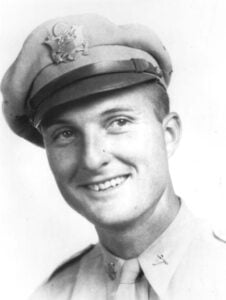
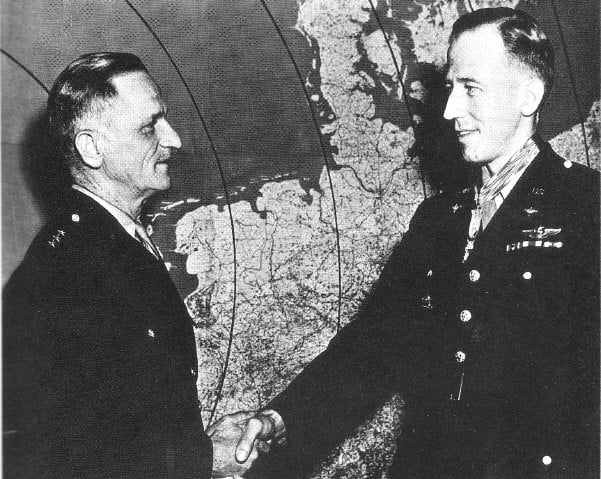
Their accounts led to Howard being identified and nominated for the Medal of Honor. He never sought attention and explained his actions simply, saying he had done his duty. Major James H. Howard received the nation’s highest award and lived quietly until his death in 1995.