The Secret U.S. ‘Dummy’ Airfields That Fooled Japanese Recon Planes in WWII
WWII Rising Stories / YouTube
In the Pacific war, victory did not always come from bombs or bullets. Sometimes it came from plywood, canvas, and careful planning. As Allied forces struggled to survive the early months of World War II, they turned to deception as a way to protect their most valuable asset in the region: air power. One of the most effective tools they created was the dummy airfield, a fake base designed to look real from the sky.
These sites were not crude tricks. They were detailed illusions meant to draw enemy attention away from real airfields. Built under pressure and often in harsh jungle conditions, dummy airfields played a quiet but important role in keeping Allied aircraft flying when the balance of power was still uncertain.
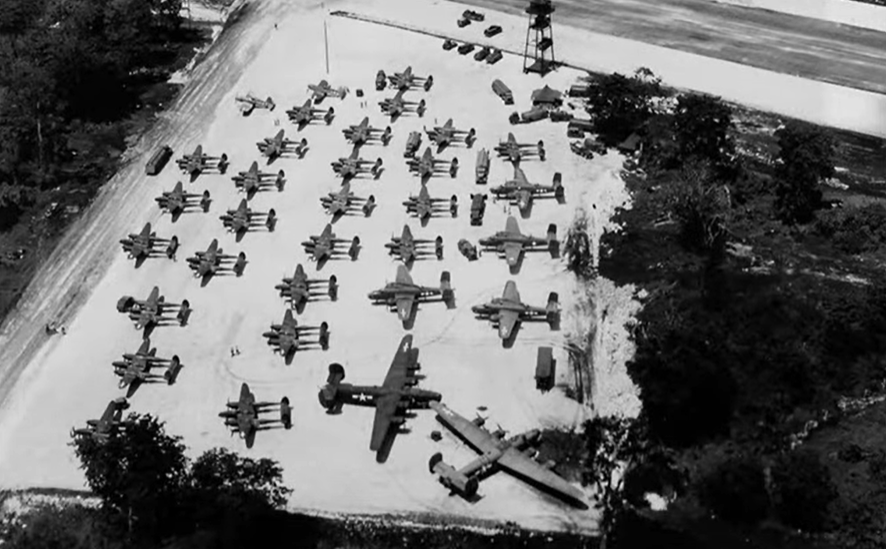
Early Pacific Vulnerabilities
In late 1941 and throughout 1942, Japanese forces held a strong advantage in the Pacific. Their aircraft ranged far across the ocean, and their reconnaissance flights carefully tracked Allied positions. Airfields were easy to spot from above, and once identified, they became prime targets. Destroying planes on the ground was far easier than fighting them in the air.
For Allied commanders, this created a serious problem. Every real airfield risked quick destruction. Supplies were limited, construction was slow, and moving bases was difficult. Protecting these sites required more than guns and patrols. It required confusing the enemy about where the real targets were.
The Birth of the Dummy Airfield
The idea behind dummy airfields was simple: give the enemy something convincing to attack that did not matter. Engineers and airmen worked together to copy what enemy pilots expected to see. A fake base had to look busy, used, and valuable when viewed from thousands of feet above.
These sites were often built near real bases but placed where they offered no military value. The goal was to pull enemy attention just far enough away. Timing mattered, as the dummies had to appear active during periods of known reconnaissance flights.
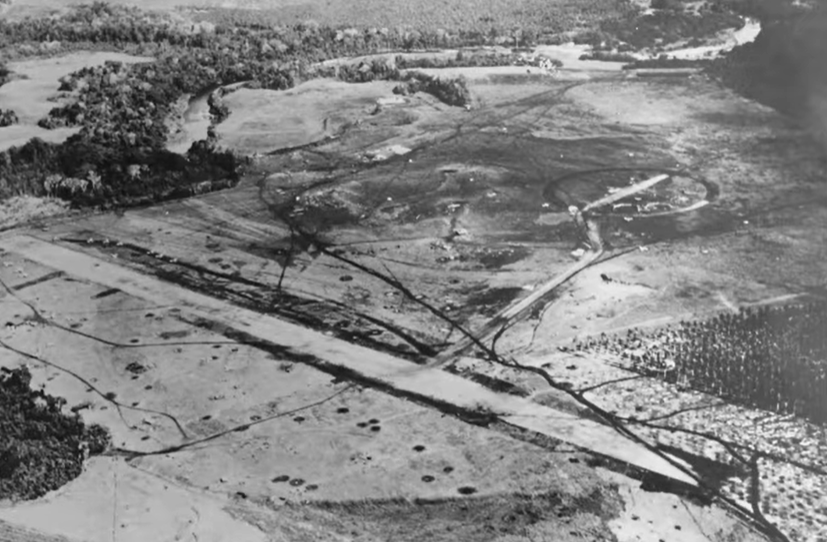
Building the Illusion
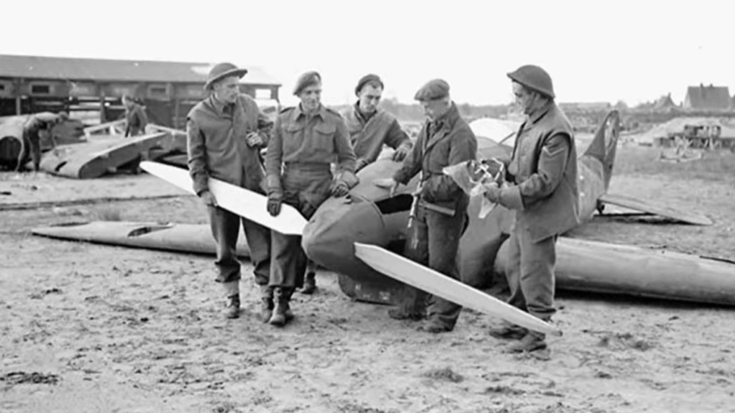
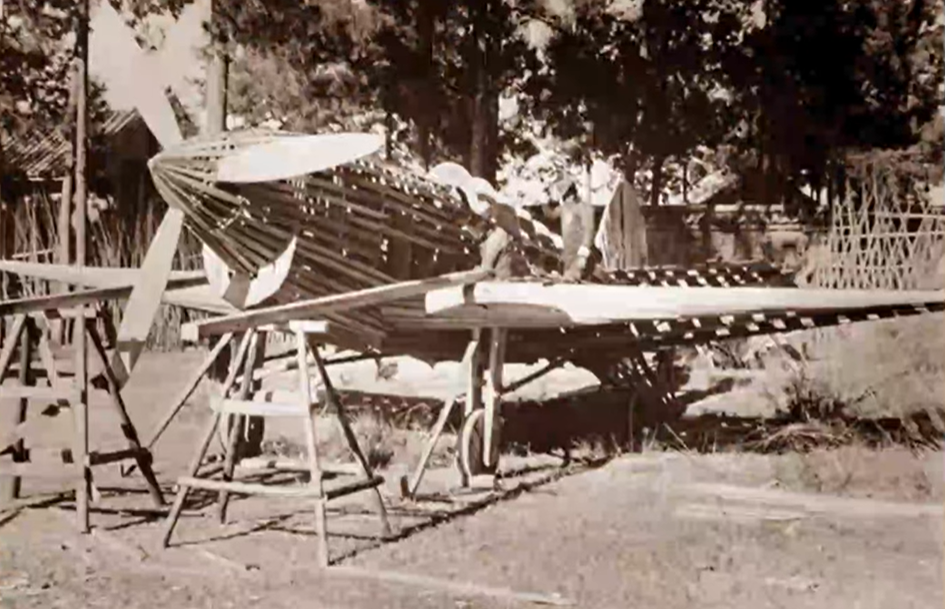
Dummy airfields were carefully constructed using local materials. Runways were cleared and marked to resemble heavy use. Wooden aircraft were shaped to match real fighters and bombers, then painted and weathered to look operational. Many were mounted on skids so crews could move them slightly each day, creating the appearance of regular activity.
Support buildings were also faked. Crews built false hangars, fuel dumps, and storage areas. Even defensive positions were copied using logs and barrels arranged to resemble gun emplacements. Tracks were pressed into dirt roads, and smoke was sometimes used to imitate engine exhaust or dust from takeoffs.
Fooling Enemy Reconnaissance
From the air, these details blended into a convincing picture. Japanese pilots reported active bases, complete with aircraft and defenses. Intelligence officers often treated these sightings as high-priority targets. Bombing missions were planned based on what appeared to be valuable airfields.
In several documented cases, strike aircraft attacked these fake sites and destroyed nothing of value. Bombs fell on wooden planes and empty ground while real airfields nearby continued operating. Each attack wasted fuel, time, and limited supplies.
Strategic Impact in the Pacific
Dummy airfields proved especially useful in places like the Solomon Islands and New Guinea. During the struggle for Guadalcanal, they helped draw attention away from Henderson Field, a critical Allied base. As forces pushed closer to major Japanese strongholds, new dummy sites were built and abandoned as needed.
The effect was gradual but meaningful. Real bases gained time to expand, repair damage, and prepare missions. Enemy planning slowed as commanders questioned new reports. Deception became a quiet partner to firepower.
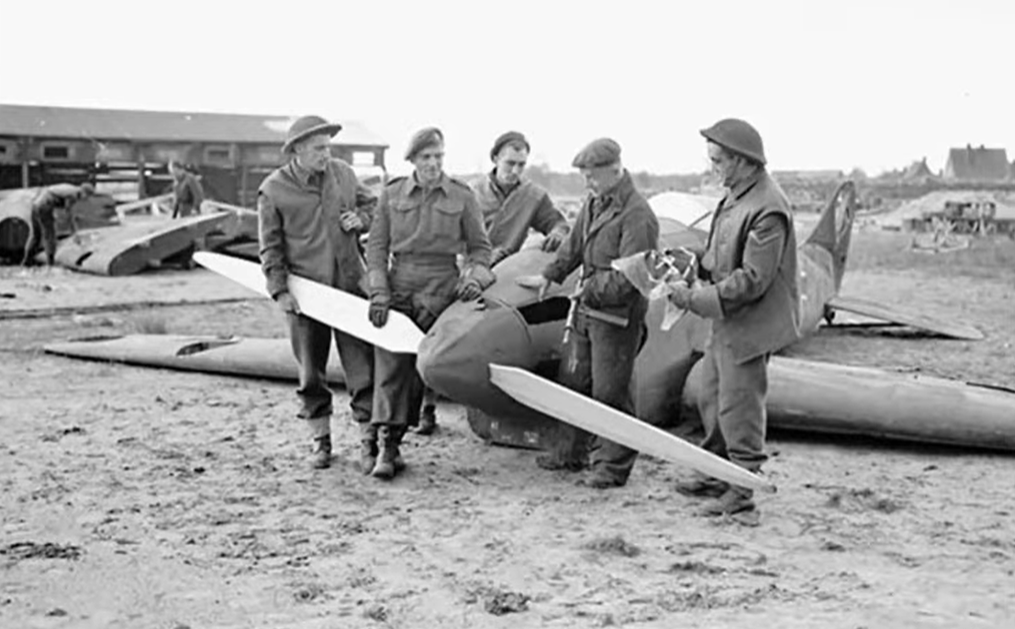
A Legacy of Deception
The success of dummy airfields influenced later Allied deception efforts. The same ideas appeared again in Europe, where fake armies and ports were used to confuse German intelligence before major operations. In the Pacific, the men who built planes that never flew helped shape modern military misdirection.
Their work showed that war was not only about force. Careful observation, understanding enemy expectations, and simple materials could change outcomes. In the skies over the Pacific, illusion became protection, and silence became strength.