The Secret Weapon That Won Guadalcanal
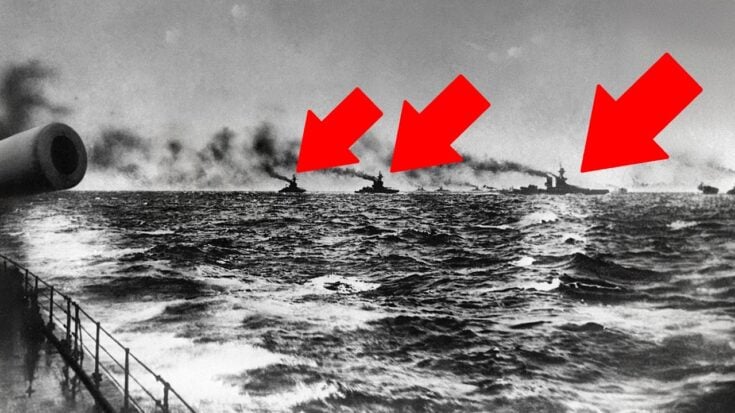
YouTube / WW2 on TV
USS Washington and USS South Dakota moved through the darkness off Guadalcanal on November 14, 1942, carrying the last real surface force Admiral Willis Augustus Lee could commit. Hours earlier, American cruisers and destroyers had been mauled in a chaotic night fight. Now, only two battleships stood between a powerful Japanese bombardment force and Henderson Field.

Lee understood the stakes. If the Japanese reached the airfield, they could cripple American air power in the Solomon Islands. He also knew his advantage. Aboard USS Washington was the SG radar system, still a closely guarded secret. It could detect ships far beyond visual range, even in total darkness. Lee intended to use it to strike first and strike hard.
Chaos Before the Decisive Clash
The wider Battle of Guadalcanal had already pushed both sides to the limit. Two nights earlier, a brutal surface engagement left multiple ships sunk, including USS Atlanta and USS Juneau, along with Rear Admirals Daniel J. Callaghan and Norman Scott.

Yet the Japanese were not finished. A new force centered on the battleship Japanese battleship Kirishima advanced to finish the job. Admiral William Halsey Jr. had little left to oppose them. He sent Washington and USS South Dakota north into Ironbottom Sound.
Radar Finds the Enemy First
At 10:30 p.m., Washington’s radar picked up targets at 18,000 yards. The Japanese force was approaching in two columns, unaware they had already been detected. Lee held his fire, waiting for the right moment.

When the order finally came, Washington’s 16-inch guns opened the battle. Shells weighing over a ton crashed into the darkness, catching Japanese ships off guard. Confusion spread quickly. Without effective radar, the Japanese relied on visual spotting, and in the pitch-black night, that left them vulnerable.
South Dakota in Trouble
As the fight intensified, South Dakota suffered a critical electrical failure. The ship lost power and became silhouetted against the burning horizon. Japanese ships quickly found their range.
Hit more than two dozen times, South Dakota was forced out of action. Fires raged across her upper decks as she withdrew. For a brief moment, Lee faced the entire Japanese force with a single battleship.
Washington vs Kirishima
Using radar tracking, Washington closed the distance and isolated Kirishima. At just over 8,000 yards, Lee gave the order to fire.

The result was precise and devastating. Salvo after salvo struck Kirishima, smashing her bridge, tearing through her hull, and flooding vital compartments. Washington’s fire control, guided by radar, maintained accuracy in conditions where traditional optics failed.
Within minutes, Kirishima was crippled. A final hit jammed her rudder, leaving her circling helplessly. Fires spread unchecked, and flooding worsened. The battleship eventually capsized and sank, taking much of her crew with her.
A Turning Point at Sea
With their flagship destroyed, the Japanese force broke off the engagement. Henderson Field remained in American hands. The immediate threat to Allied supply lines between the United States and Australia was removed.

The Second Naval Battle of Guadalcanal marked a shift in naval warfare. Radar had proven decisive. Lee’s ability to detect, track, and engage the enemy before being seen changed the outcome of the fight.
The victory came at a cost, but it halted Japan’s momentum in the Solomon Islands. From that point forward, the balance in the Pacific began to tilt.