The Simple Upgrade That Added Hundreds of Horsepower to the BF 109
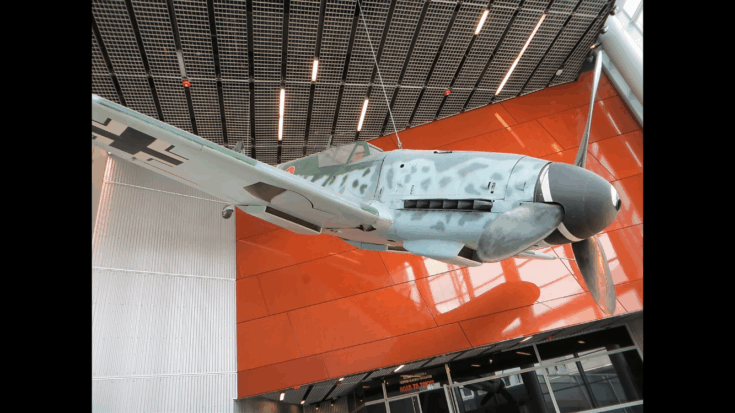
YouTube / Greg's Airplanes and Automobiles
The early Bf 109G series was 40 to 60 mph slower than the P-51D Mustang despite carrying a larger engine. The gap came down to fuel octane and the manifold pressure it permitted. Germany couldn’t simply source 150-octane fuel, so engineers found a different path: methanol-water injection. The MW 50 system transformed the late-model 109 from an outclassed design into a genuine threat.
The Problem That Needed Solving
The 109G’s DB 605 displaced 35.7 liters against the Merlin’s 27 liters, but the P-51 running 150-octane fuel could generate 75 inches of manifold pressure against the 109G’s 42. Displacement alone couldn’t bridge that gap. Germany needed higher manifold pressure without higher-octane fuel, and methanol-water injection provided exactly that.
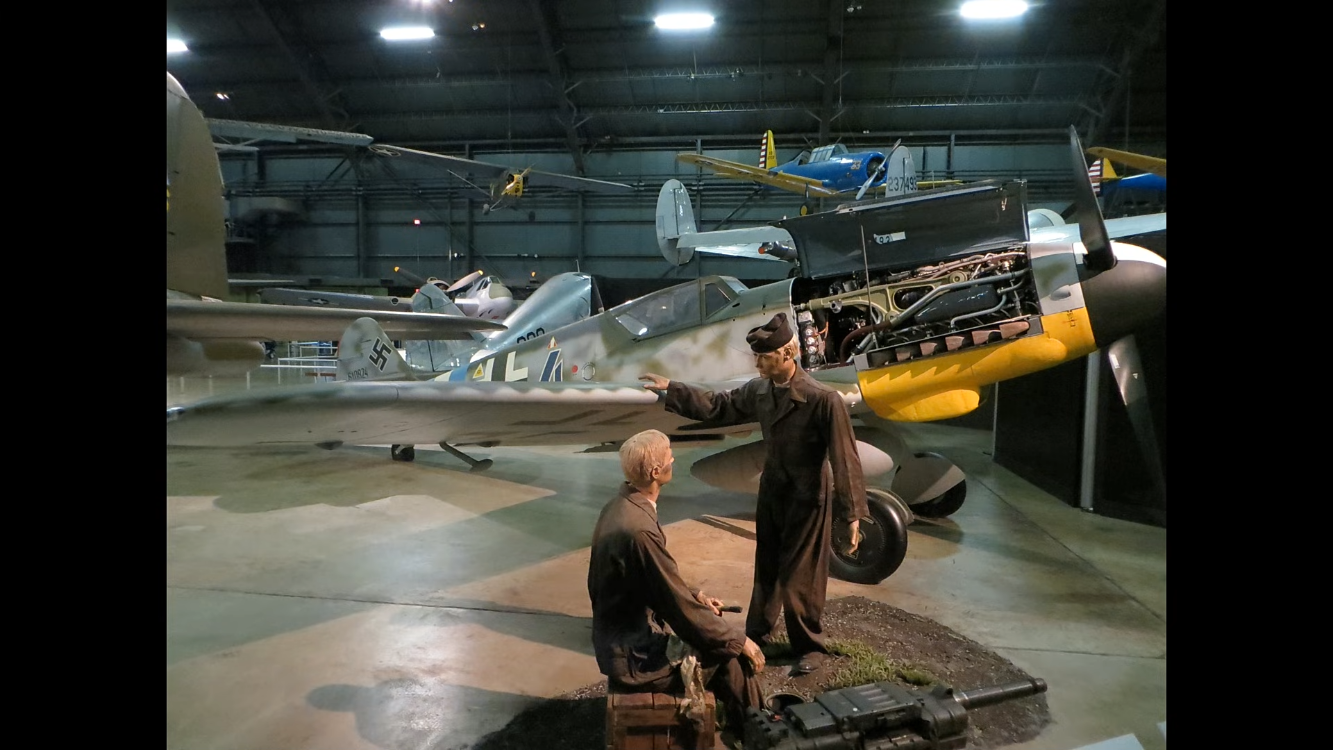
Injecting a water-methanol mixture into the supercharger inlet suppresses knock by cooling the compressed air charge and effectively raising its resistance to detonation. The result is that lower-octane fuel can sustain manifold pressure that would otherwise cause engine-damaging knock. Germany’s standard B4 fuel rated 87 octane. With the MW 50 system operating at a 0.3 to 1 coolant-fuel ratio, that fuel gained effective knock resistance comparable to 100-octane fuel.
The MW 50 System
The German solution was deliberately simple. A 22.5-gallon tank behind the cockpit held a mixture of 50% methanol and 49.5% water with a small amount of lubricating oil as a corrosion inhibitor. When the pilot engaged the system, pressurized air forced the fluid through a line to a nozzle at the supercharger inlet. No spray bars, no individual cylinder nozzles, no complex distribution manifold. The single injection point was adequate at the flow rates being used and could be installed in the field without dismantling intake manifolds.
The system allowed 10 minutes of use followed by a 3-minute cooldown, usable three times for a total of 30 minutes. By then the aircraft would typically be low on fuel anyway.
What It Did to Performance
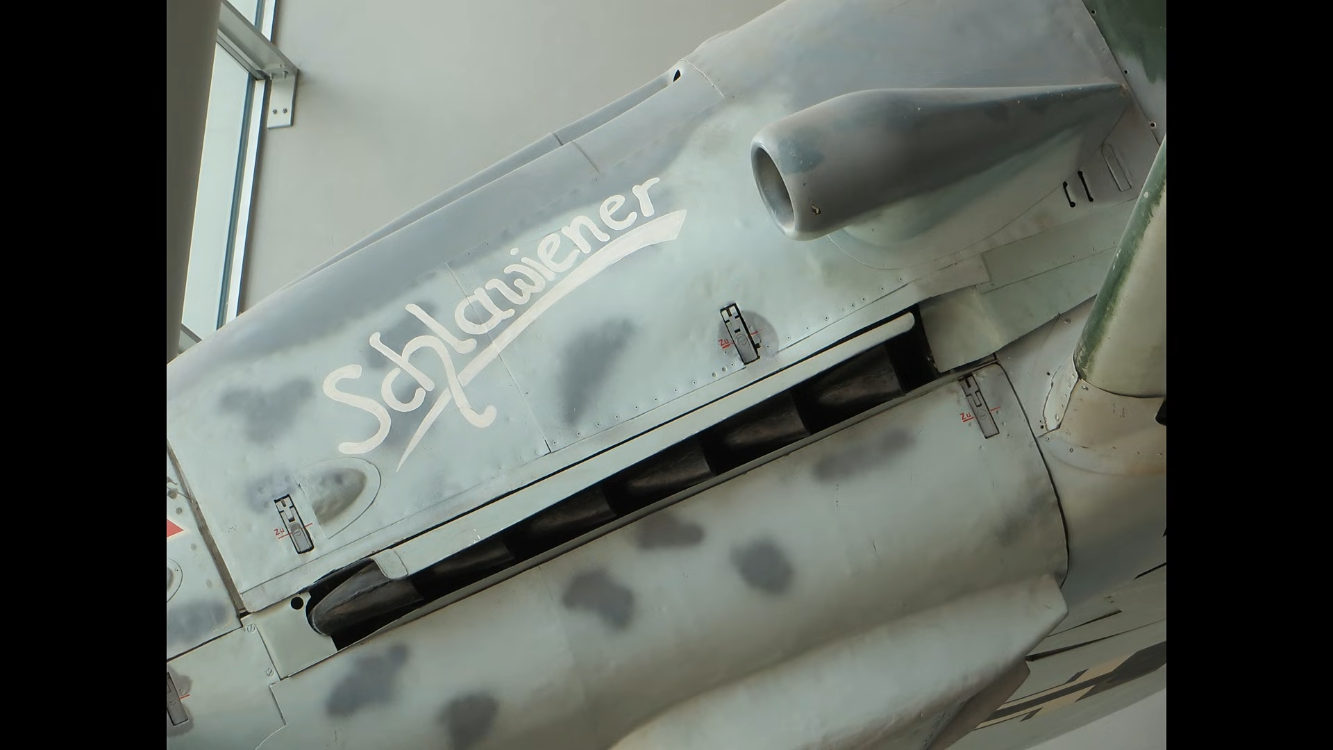
Applied to the 109G-14, the MW 50 system raised manifold pressure from 1.42 bar to 1.70 bar and pushed power from approximately 1,455 horsepower to 1,775. Top speed reached 413 mph on the standard variant and 422 mph on the high-altitude G-14AS. The P-51D was still faster, but the gap had closed from 40 to 60 mph down to a range where the Mustang could no longer simply run away at will.
The G-10, the fastest G variant, reached 426 mph. No combat G-series model exceeded the P-51D in level speed. What the MW 50 system accomplished was making the engagement viable rather than futile.
The 109K-4
The only Bf 109 variant that credibly matched or slightly exceeded the P-51D was the K-4. With aerodynamic refinements including new wing fairings, a retractable tail wheel with doors, and main wheel well covers, combined with the DB 605DC engine running both C3 fuel and MW 50 at 1.98 bar, the K-4 produced 2,000 horsepower and reached approximately 452 mph at around 20,000 feet. The P-51D’s maximum speed ranged from 437 to 445 mph depending on variant and configuration. In the band from 15,000 to 25,000 feet, the K-4 in optimal configuration was marginally faster.
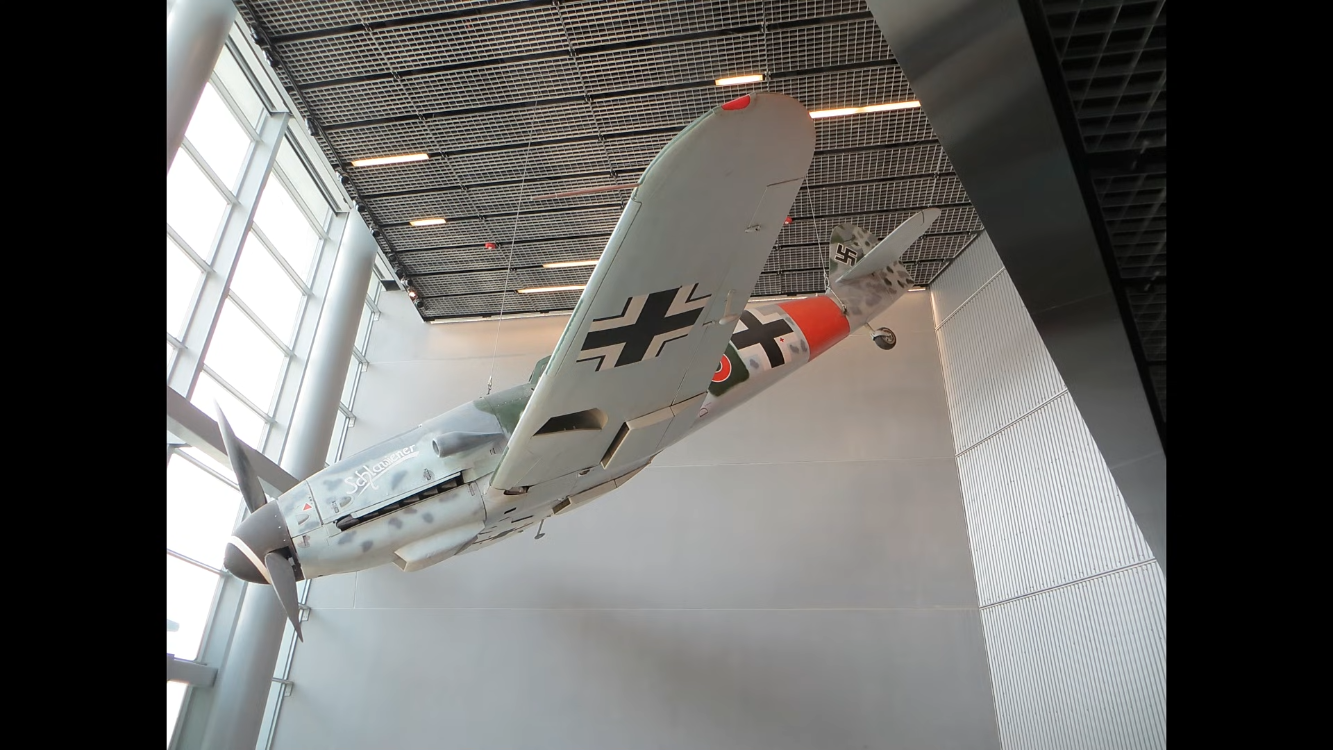
The caveat is significant. C3 fuel was scarce. MW 50 fluid wasn’t always available. The authorization to run 1.98 bar was given, withdrawn, and reinstated repeatedly. Roughly 500 K-4s were built and perhaps half were destroyed before flying. Those that did reach combat were outnumbered ten to one or more. The K-4 represented what the 109 could do at its theoretical best, not what German pilots typically had available.
The Missed Opportunity
The technology behind MW 50 existed before the war. A British engineer named Harry Ricardo had published foundational work on methanol-water injection during the interwar years and German engineers had studied it carefully. A version of this system fitted to the 109F in 1940 or the Fw 190 in 1941 could have delivered 200 to 300 additional horsepower using B4 fuel that was already in supply. That window, before Allied fuel quality and aircraft quality had matured, was when the system would have had its greatest effect. Germany waited until 1944 to deploy it operationally.