How the B-25 Became a Favorite with Soviet Crews
Wikimedia CC
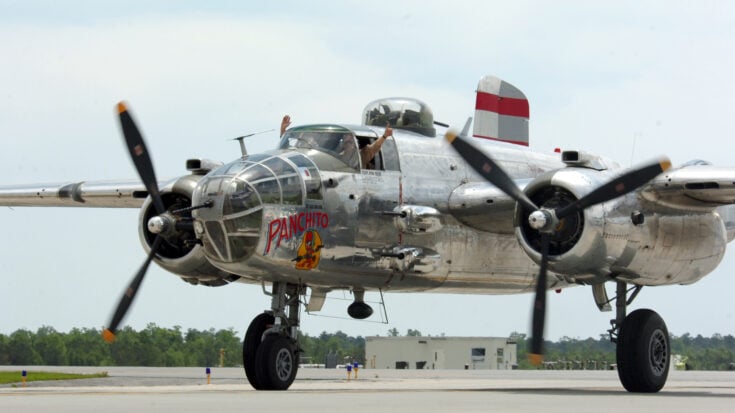
During World War II, the Soviet Union became the largest non-American operator of the North American B-25 Mitchell. Nearly 900 aircraft were delivered through Lend-Lease, making the USSR second only to the U.S. Army Air Forces in total B-25 use. These medium bombers quickly earned a strong reputation among Soviet crews.
Compared to many native Soviet aircraft, the B-25 felt refined. Crews flying types such as the Pe-2 and Il-4 were used to cramped, noisy, and often unheated cockpits. The Mitchell offered a heated cockpit, better visibility, and more reliable radio equipment. For crews operating in long winter missions, those features made a real operational difference.
Built for Harsh Conditions
The B-25’s rugged design also impressed Soviet ground crews. Powered by Wright R-2600 radial engines, the aircraft proved dependable in extreme cold. With U.S.-supplied spare parts and maintenance kits, many B-25s started more reliably in sub-zero conditions than locally built aircraft.
This reliability mattered on the Eastern Front, where winter temperatures regularly grounded less tolerant aircraft. The Mitchell’s systems and construction reduced downtime and helped maintain sortie rates when conditions were at their worst. Soviet maintenance personnel valued the consistency and standardized support that came with American deliveries.

Elite Assignments and Long Service
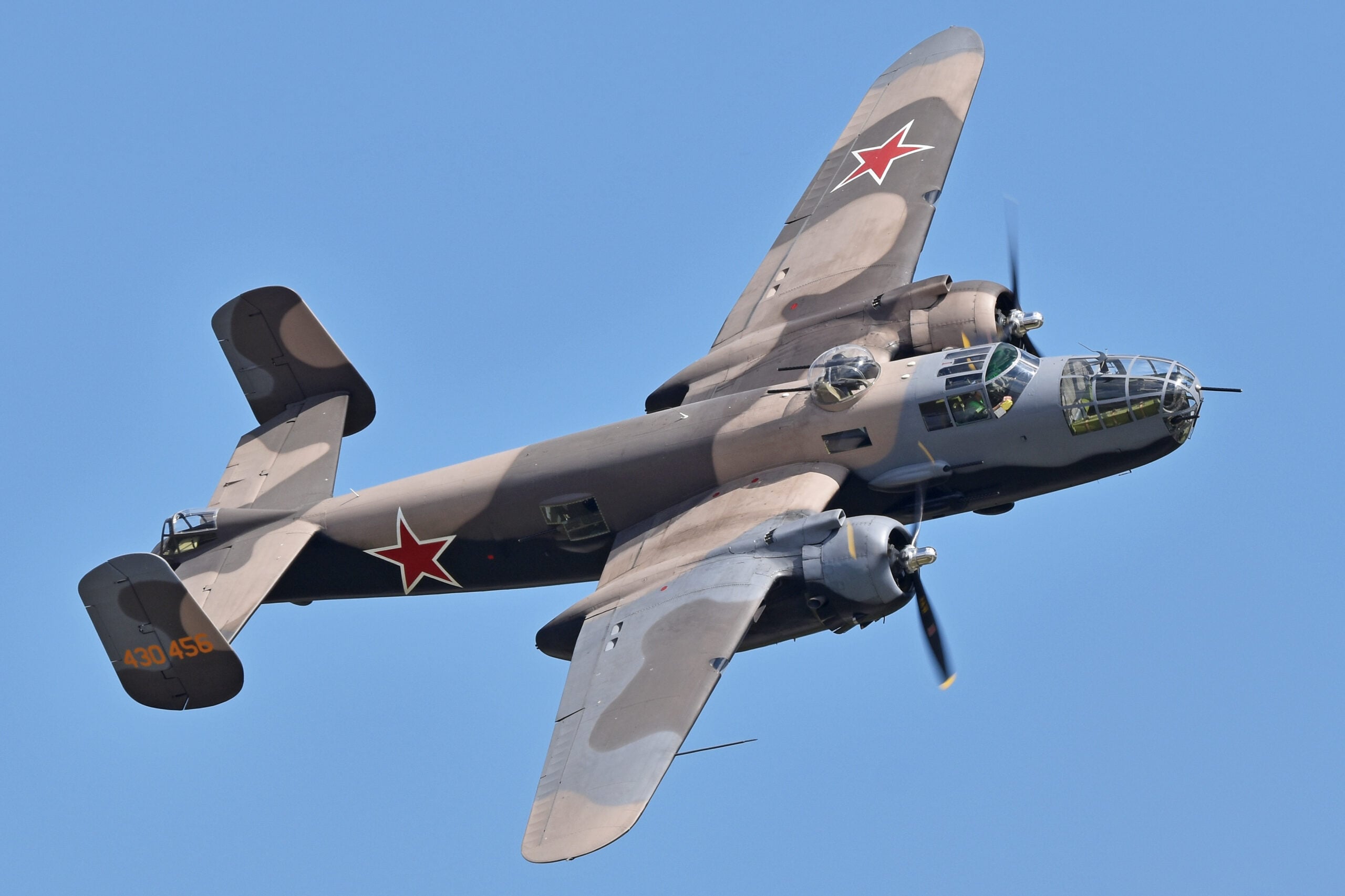
Because of their performance and reliability, B-25s were often assigned to elite Guards units. These aircraft carried distinctive red star markings and were used for demanding strike and medium bombing missions. Crews viewed assignment to a Mitchell-equipped unit as a sign of trust and status.
The B-25’s Soviet service did not end in 1945. Many aircraft remained operational well into the postwar period, with some still flying in the early 1950s. Their long service life reflected both the aircraft’s durability and the continued value placed on its performance.