

What Made the P-51 Feel Different to WWII Pilots
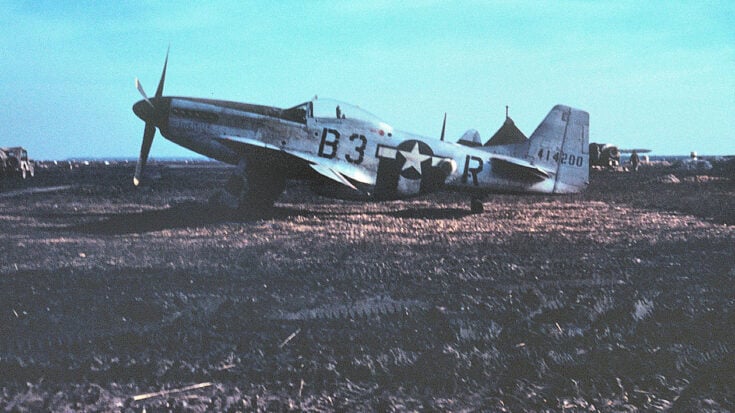
YouTube / @americanveteranscenter
When American fighter pilots first entered combat in World War II, many did so in aircraft that were already being pushed to their limits. The Curtiss P-40 Warhawk was one of the earliest U.S. fighters to see combat, made famous by the Flying Tigers in China and Burma. It was rugged, reliable, and capable at low altitude, but it reflected the design limits of prewar thinking.

Pilots appreciated the P-40 for its toughness, but it lacked the high altitude performance and speed needed to dominate later in the war. As the air war expanded and missions grew longer and more demanding, the U.S. Army Air Forces needed more power and greater range.
The P-47 Thunderbolt: Power and Muscle in the Air
That next step came with the Republic P-47 Thunderbolt. With its massive radial engine and large airframe, the P-47 was one of the biggest single engine fighters of the war. Pilots noted the size immediately. The cockpit offered more room than earlier fighters, and the aircraft felt solid and heavy in flight.
That strength came with a cost. The Thunderbolt required physical effort to fly well. Controls were heavy, and pilots had to work the rudder pedals and stick with real force. It was not a delicate aircraft. It was built to dive fast, absorb damage, and bring its pilot home even after taking hits.
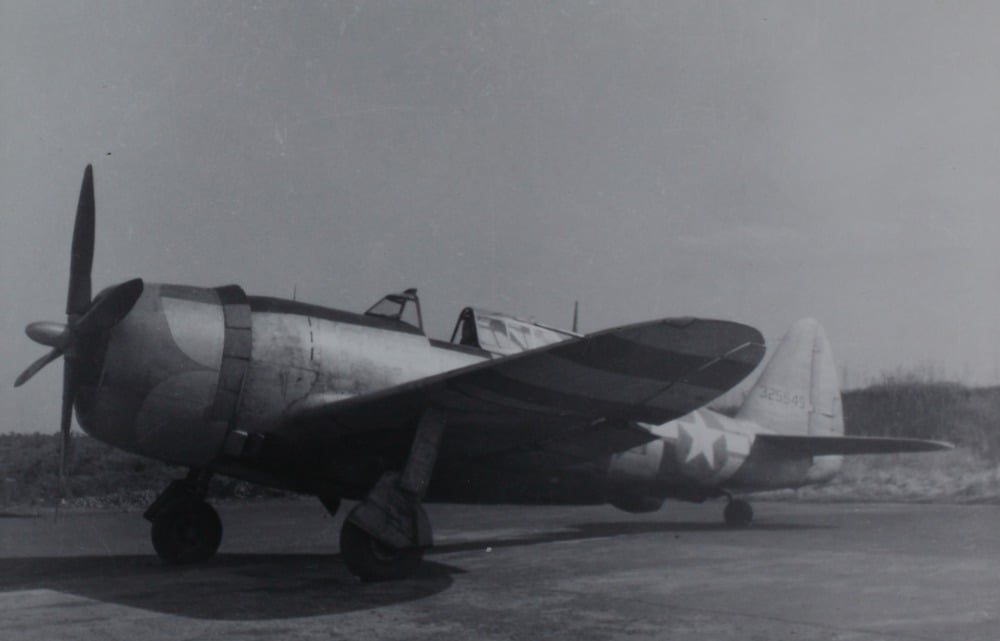
In combat, the P-47 proved extremely effective, especially in ground attack and high speed dive tactics. It was a brute force solution to the demands of modern air combat.
The P-51 Mustang: A New Standard in Fighter Design
Everything changed with the arrival of the North American P-51 Mustang. Compared to the P-47, the Mustang felt light, responsive, and precise. Pilots often described flying it with their fingertips. Control inputs produced immediate response, allowing smoother handling and tighter maneuvering.
The Mustang combined speed, range, and agility in a way no earlier American fighter had managed. Its long range escort capability helped change the air war over Europe, allowing bombers to be protected deep into enemy territory. For pilots, it represented a shift from muscling an airplane through the sky to guiding it with finesse.

Many who flew all three types remembered the P-51 most clearly. It left a lasting impression because it made difficult flying feel natural. For those pilots, the Mustang was not just another fighter. It was the aircraft that finally delivered everything they had been waiting for.







