

Stanley Kubrick – Behind the Scenes of Full Metal Jacket
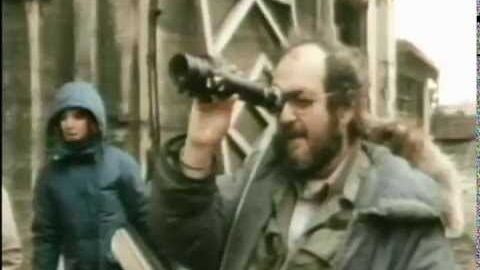
YouTube / giodashorts
Stanley Kubrick’s Full Metal Jacket (1987) remains one of the most intense and meticulously constructed war films ever made. Yet the story behind the camera is just as compelling. Kubrick, famed for his perfectionism and secrecy, pulled his cast and crew through a demanding creative process that ultimately produced a modern classic.
Recreating Vietnam… in England
Instead of filming in Southeast Asia, Kubrick turned parts of England into Vietnam. The abandoned Beckton Gas Works in London was transformed into the devastated city of Hue. To achieve the right atmosphere, the production imported hundreds of palm trees from Spain and California, reshaped industrial rubble into war-torn streets, and built an entire battlefield from scratch. Kubrick believed that total control over the environment was essential, and constructing Vietnam on British soil allowed him to shape every detail exactly as he envisioned.
Kubrick also became notorious for shooting scenes over and over, often dozens or even hundreds of times. He pushed actors to move beyond performance and into pure instinct, believing that authenticity only emerged when all self-consciousness had been stripped away.
Matthew Modine, who played Private Joker, described how Kubrick pushed him until every emotion felt unfiltered and honest. Arliss Howard, who played Cowboy, remembered waiting for long periods because Kubrick refused to film unless the natural lighting matched his exact expectations. In Kubrick’s world, nothing was left to chance, and even the smallest detail was subject to relentless refinement.
The Psychological Weight of the Boot Camp Sequence
The film’s opening half focuses on the brutal Marine boot camp, stands out for its raw intensity. Kubrick designed the environment to feel as psychologically crushing as real basic training. Vincent D’Onofrio’s portrayal of Private Pyle emerged from this pressure cooker atmosphere. Kubrick insisted on authenticity, leading D’Onofrio to gain seventy pounds for the role and push himself emotionally to capture Pyle’s slow collapse. The transformation remains one of the most haunting character arcs ever filmed.
Kubrick approached the Vietnam War with a philosophy very different from other directors of the time. He cared less about showcasing large-scale battles and more about examining the psychological disintegration of young soldiers. He explored the dehumanizing structure of military life, the strange blend of dark humor and violence, and the emotional journey from innocence to numb detachment. This approach set Full Metal Jacket apart from other Vietnam films and gave it a colder, more reflective tone.
Legacy of a Masterpiece
The behind-the-scenes story of Full Metal Jacket reveals a production marked by pressure, precision, and relentless artistic ambition. Kubrick’s uncompromising methods created a film filled with unforgettable images and iconic performances.
Decades later, it remains one of the most influential examinations of war ever put on screen. Kubrick didn’t simply direct a movie- he built an entire world, shaping every detail with obsessive care. And because of that, Full Metal Jacket continues to echo through film history as one of his most enduring achievements.







